
 By Azzam Bilal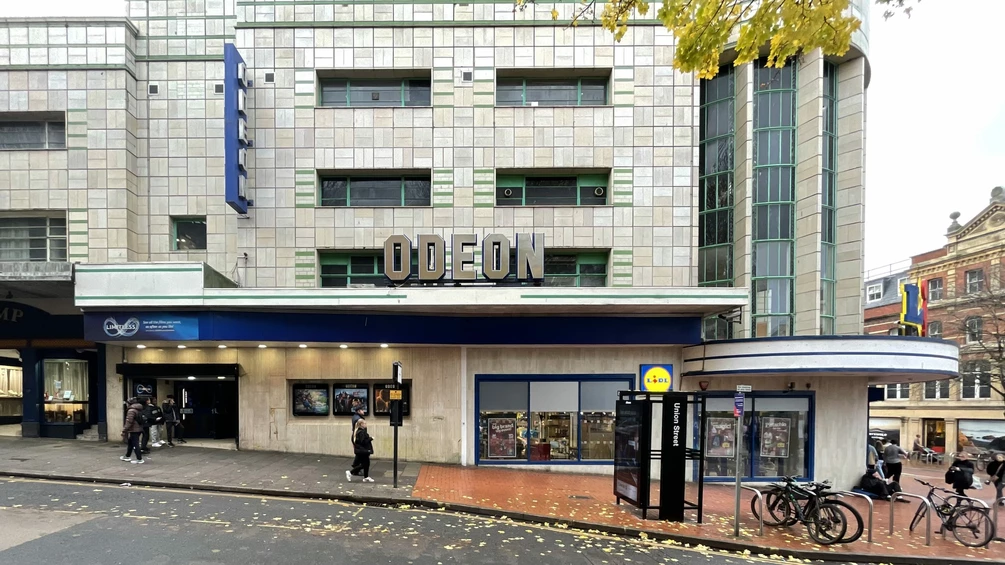
HangupsMusic.com – Bristol, a city long celebrated as a crucible of British bass music and counter-cultural movements, is poised to welcome a significant addition to its nightlife landscape. In a move that marries architectural heritage with the evolving needs of the modern electronic music scene, the former ODEON cinema on Union Street is being reimagined as a sprawling, multi-disciplinary cultural hub. This ambitious project, spearheaded by two of the city’s most seasoned promoters, Luke Turner and Jack Scales, represents a pivotal moment for Bristol’s city center, which has faced the same post-pandemic retail and footfall challenges as many other major UK hubs.
The transition from a cinema to a multi-purpose arts venue is more than just a change of tenants; it is a symbolic reclamation of urban space. The Union Street site first opened its doors in 1938, a period when Art Deco cinema palaces were the height of modern entertainment. For eighty-six years, it served as a cornerstone of the city’s cinematic life until its closure in February 2024. The final credits rolled on its screens earlier this year, leaving a void in the city’s architectural and social fabric. However, rather than falling into the state of dereliction that often plagues historic buildings, the site has been fast-tracked for a new lease on life that aligns with Bristol’s reputation as a leader in the global music industry.
The vision for the currently unnamed venue is expansive. Turner and Scales, the minds behind the renowned Alfresco Disco and the Saw Mills project, intend to move beyond the traditional "nightclub" label. Their proposal describes a "multi-disciplinary cultural space" designed to accommodate a spectrum of artistic expressions. While electronic music will undoubtedly form the heartbeat of the venue’s programming, the founders have emphasized a commitment to film screenings—paying homage to the building’s roots—and live theatre productions. This hybrid approach is increasingly seen as the gold standard for sustainable nightlife, ensuring that large-scale venues remain active and relevant throughout different times of the day and across various demographics.
The impetus for this new venture stems from a familiar challenge in the creative industries: urban redevelopment. The promoters’ current operation, The Underground, is slated for closure as the building it occupies is earmarked for new development. Such displacements have become a recurring theme in Bristol’s cultural narrative, where established venues often find themselves at odds with the rising demand for residential and commercial real estate. By moving their operations to the Union Street site, Turner and Scales are not just seeking a new home; they are establishing a long-term foothold in the very heart of the city, ensuring that culture is not pushed to the fringes.
A major milestone in the project’s realization was achieved last week when the Bristol City Council licensing sub-committee granted the venue a premises license. The terms of the license are notably generous, reflecting a level of confidence from local authorities in the promoters’ ability to manage a large-scale operation responsibly. The venue is cleared to operate until 5:00 AM on Friday and Saturday nights, with a 4:00 AM license in place from Sunday through Thursday. In an era where many UK venues are struggling against restrictive noise ordinances and early closing times, these hours provide the operational flexibility necessary to host world-class international talent and long-form events.
During the licensing hearing, Turner and Scales highlighted the unique advantages of the building itself. Unlike purpose-built modern units, the 1930s cinema structure offers a layout that is "almost fit for purpose already." The natural acoustics of a space designed for sound projection, combined with the tiered seating areas and expansive floor space of a former movie palace, provide a dramatic backdrop that few contemporary venues can replicate. The promoters expressed a desire to "add something into Bristol for the people of Bristol," emphasizing that the project is rooted in community vibrancy rather than mere commercial gain.
The timing of this announcement is particularly significant for the local ecosystem. Bristol’s nightlife has been under intense scrutiny and pressure in recent years. Earlier in 2024, a collective of the city’s most prominent venues came together to lobby the city council to maintain its partnership with "Bristol Nights," a pioneering safeguarding initiative. This program focuses on safety, inclusivity, and the well-being of night-time workers and patrons alike. The success of a massive new venue in the city center will likely depend on its ability to integrate these modern standards of care into its operational DNA.
Furthermore, the project sits in the shadow of Bristol’s rich musical history. To understand the stakes of this new opening, one must look at the legacy of venues like Motion Bristol. Originally an old skate park, Motion evolved into one of the world’s most respected clubs, shaping a generation of ravers across the South West and beyond. However, as the city changes, the need for centralized, accessible venues becomes more acute. The Union Street project represents the next chapter in this evolution—a shift from the industrial outskirts back into the historic core.
The economic implications for the city center are also substantial. The "night-time economy" is a vital organ of Bristol’s financial health, supporting thousands of jobs and attracting tourism. By transforming a vacant cinema into a 24-hour cultural asset, the project promises to drive footfall to Union Street during hours when the area would otherwise be dormant. This "vibrancy," as the owners describe it, is a key component of urban regeneration, proving that culture can be a primary driver of city-center recovery.
While specific details regarding the interior design, sound system specifications, and the official opening date remain under wraps, the anticipation within the local community is palpable. The promoters have promised more information in the coming months, and the music industry is watching closely. Transitioning a Grade II listed-style era building into a high-tech music venue is a logistical feat that requires a delicate balance of preservation and innovation.
In their conversation with local media, Turner and Scales reiterated that their goal is to contribute to the city’s cultural wealth. "It’s such a unique space to have a music venue," they noted, pointing to the inherent character of the 1938 construction. This sentiment resonates with a growing global trend where promoters are looking away from "black box" clubs in favor of "found spaces" that possess a sense of history and soul. From the legendary clubs of Berlin housed in power stations to London’s converted warehouses, the most iconic venues are often those that repurpose the ghosts of industry and entertainment.
As Bristol moves toward the mid-2020s, the opening of the Union Street venue will serve as a litmus test for the viability of large-scale independent arts spaces. In a climate of rising costs and changing social habits, the success of Turner and Scales’ vision would provide a much-needed blueprint for how historic architecture can be saved through cultural innovation. For now, the city waits for the doors of the old ODEON to swing open once more, not for the flicker of a projector, but for the communal experience of sound, film, and performance in a space that has been a part of Bristol’s story for nearly a century.
