
 By admin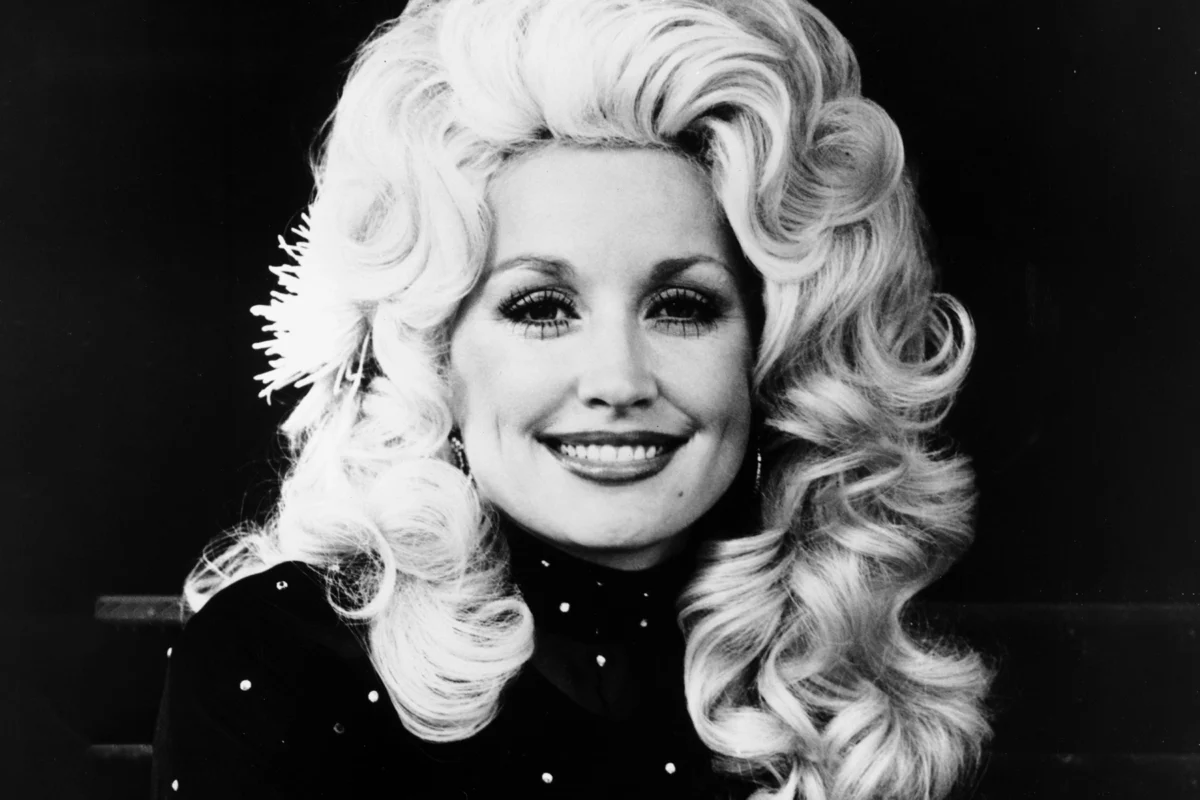
HangupsMusic.com – The world mourns the passing of Dolly Parton, the incandescent global icon whose golden voice and unparalleled penmanship redefined country, popular music, and the very fabric of the entertainment industry. Parton, a force of nature who sold over 100 million records and left an indelible mark on hearts worldwide, passed away on Tuesday at the age of 80. The somber news was conveyed by her nephew, Bryan Seaver, in a heartfelt video message shared on Facebook, echoing a sentiment of profound loss mixed with immense pride.
"As her head of security for more than two decades, a role my father Larry held before me, I have imagined the heaviness of this moment, but haven’t truly felt it until now," Seaver shared, his voice tinged with emotion. He spoke of his aunt as a trailblazer who "opened doors for generations of singers, songwriters, musicians, and dreamers from every walk of life and across every continent," fostering a belief that "anything was possible." Parton, he reflected, was a cherished presence in countless homes, an "extended part of your family, whether you liked it or not," through her constant presence on screens and speakers.
Born Dolly Rebecca Parton on January 19, 1946, the fourth of Robert Lee and Avie Lee Owens Parton’s twelve children, her origins were steeped in the rural poverty of a one-room cabin by the Little Pigeon River in Sevierville, Tennessee. This humble beginning, devoid of plumbing or electricity, became the rich soil from which her legendary storytelling bloomed. Her mother’s resourceful creation of a patchwork coat inspired the universal anthem "Coat of Many Colors," a song Parton often described as "more of a philosophy than it is a song," encapsulating themes of family, faith, and the resilience of spirit against adversity.
From an early age, Parton was captivated by narratives, even finding inspiration in the quiet tales etched on gravestones. Her family, deeply musical, nurtured her nascent talent. An eight-year-old Dolly received a Martin guitar from her uncle, Bill Owens, which set her on a path to local television gigs and, eventually, a debut on the Grand Ole Opry, introduced by none other than Johnny Cash. "I just had this grit and all these dreams and plans," she once remarked, a testament to the fiery ambition that simmered beneath her sweet demeanor.
The day after becoming the first in her family to graduate high school in 1964, an eighteen-year-old Parton boarded a Greyhound bus for Nashville, carrying her dreams, an old guitar, and her compositions, famously packed in "three paper bags from the same grocery store." Her early years in Music City were spent honing her craft as a songwriter for other artists, penning hits like "Put It Off Until Tomorrow" for Loretta Lynn. By 1967, she had released her Monument Records debut and joined the cast of the syndicated Porter Wagoner Show, quickly becoming a prominent duet partner and a member of the Opry by 1969.
Parton’s songwriting was bold and uncompromising from the outset. Her 1969 composition "Down From Dover," a chilling narrative of an abandoned, pregnant woman delivering a stillborn child, showcased her willingness to tackle dark, complex themes, even if it proved too controversial for commercial success at the time. As one of the few prominent female recording artists in country music, Parton navigated an industry fraught with structural sexism, famously observing the two types of men she encountered: "The ones who want to screw you out of money, and the ones who want to screw you, period."
Her professional relationship with Porter Wagoner, however, was a significant and nurturing one. After seven years of successful collaboration, Parton sought to forge her own path, a departure she tenderly immortalized in "I Will Always Love You." This poignant ballad, written to ease her transition from the show, topped the country charts in 1974, again in 1982, and became a global phenomenon with Whitney Houston’s iconic 1992 rendition for The Bodyguard, solidifying Parton’s status as a formidable songwriter. Legend has it that on the very same day, she also penned "Jolene," a hypnotic tale of desperate plea inspired by her husband’s innocent flirtation with a bank teller, which became her second country Number One and an enduring signature.
Parton’s ascent in country music was swift, with hits like "Joshua," "The Bargain Store," and "Love Is Like a Butterfly." Yet, her ambition stretched beyond the confines of genre. In 1977, with "Here You Come Again," the title track of her first million-selling album, she deliberately orchestrated a pop crossover, a move she approached with characteristic wit: "That’s such a good song a monkey could have made it a hit," she quipped. "Well, you’re looking at a million-dollar monkey." This was not an accidental shift but a calculated step towards "total self-expression and daring to be brave," embracing her "season" for wider musical exploration.
The late 1970s and 80s saw Parton transform into a mainstream phenomenon. Crowned CMA Entertainer of the Year in 1978, she graced the cover of Playboy and became a beloved fixture on The Tonight Show. Her acting career blossomed with the 1980 workplace comedy 9 to 5, earning her a Golden Globe nomination and an Oscar nod for its chart-topping theme song. She continued with films like The Best Little Whorehouse in Texas, Rhinestone, and Steel Magnolias, proving her versatility beyond music.
Her foray into pop music, with disco-infused tracks like "Baby, I’m Burnin’" and MTV-era hits such as "Potential New Boyfriend," drew both new fans and criticism from country purists. Parton, however, remained unfazed, acutely aware of the "sonic policing" but steadfast in her artistic vision. She famously described her "Backwoods Barbie" image—blonde wigs, dazzling outfits, and a touch of cosmetic enhancement—as "a country girl’s idea of what glamour was," modeled on the town "tramp" she admired as a child, jokingly adding, "It costs a lot to make a person look this cheap."
The 1983 duet "Islands in the Stream" with Kenny Rogers cemented her as an adult-contemporary sensation, though her pop career eventually cooled. Yet, her country roots remained strong. The critically acclaimed Trio albums with Linda Ronstadt and Emmylou Harris, released in 1987 and 1999, were personal triumphs, showcasing her raw talent in a rootsy setting. "We’re bound together at the song," she said of the collaboration. Subsequent country-leaning albums and another "trio" project, Honky Tonk Angels, with Loretta Lynn and Tammy Wynette, reinforced her standing.
By the new millennium, Dolly Parton was a recognized worldwide figure, her appeal transcending genres and geographies. Björk, the Icelandic singer, famously noted her immense popularity even among those who typically eschewed country music, calling Parton "a character that is sort of larger than life." Though her commercial output slowed briefly with acclaimed bluegrass albums, her resurgence began in 2005 with "When I Get Where I’m Going," a duet with Brad Paisley that marked her 25th Number One hit. She continued to write prolifically, her inspiration striking "at any time," ensuring her legacy as a master songteller.
The latter half of her career was marked by a flurry of activity: world tours, including a monumental performance at Glastonbury, and a string of successful albums like 2016’s Pure & Simple, her first Number One country album in 25 years. She ventured into children’s music, Christmas albums, and even co-authored a novel, Run, Rose, Run, with James Patterson, releasing a companion album.
Perhaps one of her most audacious late-career moves was the 2023 album Rockstar, an eclectic collection of classic rock, hard rock, and heavy metal covers and originals, featuring an astonishing array of collaborators from Paul McCartney and Ringo Starr to Rob Halford and Joan Jett. This project perfectly dovetailed with her 2022 induction into the Rock & Roll Hall of Fame, an honor she initially felt she hadn’t "done enough to deserve." Accepting the award, she declared, "I’m a rock star now!" a playful nod to her boundless artistic curiosity.
Parton’s accolades were vast, including induction into the Country Music Hall of Fame (1999), the Songwriters Hall of Fame (2001), the National Medal of the Arts (2005), and a Kennedy Center honor (2006). In her later years, she meticulously solidified her legacy as a multimedia titan and philanthropist. From writing music for the Broadway adaptation of 9 to 5 to inspiring NBC television films like Dolly Parton’s Coat of Many Colors, she ensured her stories continued to resonate. Her vibrant presence, even at 77, was showcased during the Thanksgiving Day halftime show, where she donned a Dallas Cowboys Cheerleaders outfit, captivating millions.
Her final years were marked by both personal loss and a continued commitment to her work. The passing of her famously reclusive husband, Carl Dean, in 2025, was honored in her song "If You Hadn’t Been There." Despite growing health challenges that led to the postponement and eventual cancellation of her Las Vegas concert series in 2025-2026, Parton remained active behind the scenes, overseeing the opening of her Nashville hotel, SongTeller, and its accompanying Life of Many Colors Museum.
Parton, ever mindful of her lasting impact, also dedicated her later years to meticulously recording vocal parts for hundreds of unreleased songs, ensuring a vast body of work would emerge after her passing. "Any producer anywhere in the world, when I’m gone, they could take my songs, just the click track and my vocal and build a complete arrangement," she explained in 2019. "That will go on forever." Her final words on her craft encapsulate her profound artistic philosophy: "At the end of the day, I hope that I will be remembered as a good songwriter. The songs are my legacy." Dolly Parton’s symphonic life may have concluded, but her melodies, stories, and indomitable spirit will resonate across generations, an eternal chorus in the heart of humanity.
