
 By Azzam Bilal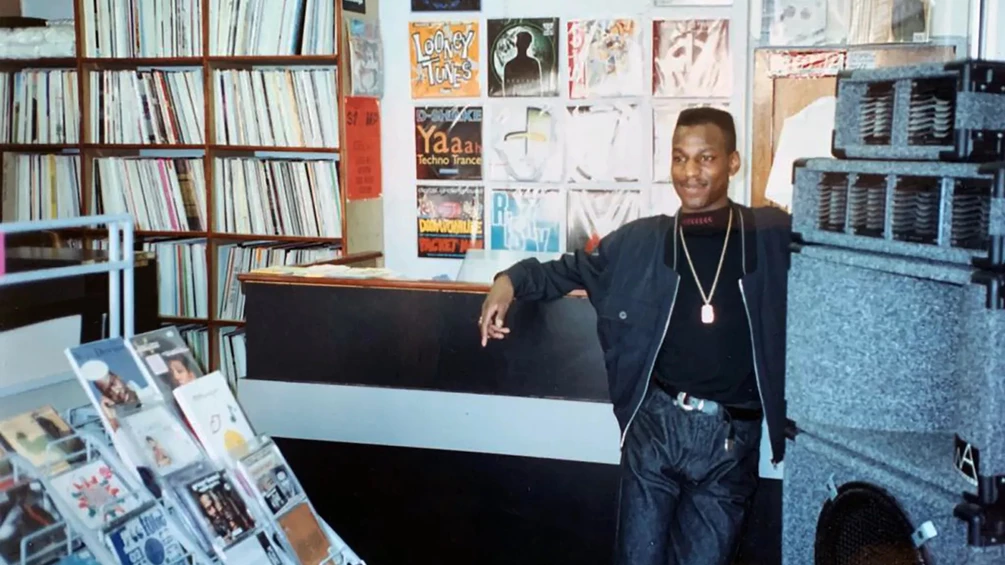
HangupsMusic.com – Romford, the historic market town in the heart of Essex, is often characterized by its bustling retail centers and commuter-belt charm. However, beneath the surface of its suburban exterior lies a radical musical history that helped shape the global landscape of electronic dance music. This autumn, that legacy will be thrust into the spotlight with the launch of "Mega Mega: Romford’s Suburban Sound Revolution," an immersive exhibition dedicated to the town’s pivotal role in the 1990s rave scene. Running from October through December, the showcase promises to be a definitive retrospective of a time when Romford was a primary engine room for the UK’s most innovative sounds.
The exhibition, curated by the acclaimed social documentarian and photographer Katherine Green in partnership with the London Borough of Havering, is designed to be more than just a static display of memorabilia. It is a multi-sensory journey through a decade of rapid sonic evolution. From the high-tempo, breakbeat-heavy chaos of early 1990s hardcore to the intricate rhythms of jungle, the soulful swing of UK garage, and the cinematic depth of drum & bass, the exhibit explores how a specific geographic pocket of Essex became a "crucible" for the cutting edge of British youth culture.
During the 1990s, Romford and its surrounding areas were home to a dense concentration of pirate radio stations, independent record shops, and grassroots promoters. This ecosystem created a self-sustaining loop of creativity and commerce that bypassed the traditional gatekeepers of the London music industry. At the center of this storm was Danny Donnelly’s legendary Boogie Times record shop. More than just a retail space, Boogie Times served as a community hub where DJs, producers, and ravers would congregate to trade information and secure the latest dubplates.
From the back of the shop emerged Suburban Base Records, a label that would become synonymous with the "suburban sound" mentioned in the exhibition’s title. Suburban Base was instrumental in defining the breakbeat hardcore sound that bridged the gap between acid house and jungle. The label’s output was prolific and influential, producing tracks that transitioned from the underground to the national charts without losing their street credibility. The exhibition highlights seminal releases such as Sonz of a Loop Da Loop Era’s "Far Out" and the arguably more eccentric—but undeniably massive—"Sesame’s Street" by Smart E’s. These tracks, born in the studios of Romford, showcased the playful, sample-heavy, and rhythmically complex nature of the era.
"Mega Mega" seeks to capture the visceral energy of this period through a variety of mediums. Visitors can expect to find a wealth of archive material, including rare flyers that once plastered the walls of East London and Essex, original photography capturing the sweat and euphoria of the dancefloor, and audio recordings from the pirate radio airwaves. However, the exhibition’s true strength lies in its focus on human narrative. By incorporating first-hand accounts and oral histories from the producers, promoters, and ravers who lived through the revolution, Katherine Green provides a grounded, intimate look at a movement that is often mythologized.
One of the most anticipated elements of the exhibition is an immersive installation titled "Bosh," created by artist Rosie Strickland. The piece features a modified VW Golf—a vehicle that became an icon of suburban youth culture in the 90s—transformed into a "micro-club." Part sound installation and part oral history archive, the car serves as a physical manifestation of the "bass culture" that permeated Romford’s streets. It recreates the experience of listening to pirate radio or a new mixtape in a car park, a ritualistic part of the rave experience for many young people in the Essex suburbs. By utilizing the car as a venue for storytelling, Strickland bridges the gap between the mechanical and the emotional, highlighting how technology and transport were integral to the spread of the music.
The exhibition also serves as a call to action for the local community. Recognizing that history is often lost when it isn’t actively preserved, the organizers have issued an open invitation for Romford residents and former ravers to contribute their own stories and artifacts. This crowd-sourced approach ensures that the archive reflects the diverse experiences of the scene. Crucially, this archive will not disappear when the exhibition closes in December; it is intended to remain a publicly accessible resource, providing future generations with a roadmap of their cultural heritage.
The timing of "Mega Mega" coincides with a broader national movement toward the "museumification" of rave culture. For decades, dance music was viewed by mainstream institutions as a fleeting, perhaps even dangerous, subculture. Today, it is increasingly recognized as a significant pillar of British social history. This year alone has seen several major exhibitions across the UK dedicated to the legacy of electronic music and counterculture. In Nottingham, the Bonington Gallery hosted "Common Grounds – Counterculture & Confrontation Since 1976," which examined the intersection of music and political protest. London saw a dedicated exploration of the Spiral Tribe sound system and the free party movement, while the Royal West of England Academy (RWA) in Bristol hosted a 30-year retrospective of jungle heritage curated by the legendary DJ Krust. Even the V&A East has joined the conversation with Jacqueline Springer’s "The Music is Black: A British Story," which traces 125 years of Black British music, including the profound influence of jungle and garage.
Within this wider context, "Mega Mega" provides a necessary local lens. While the story of London’s clubs like Fabric or Ministry of Sound is well-documented, the story of the "suburban sound" is equally vital. The Essex-London border was a unique space where the urban grit of the city met the aspirational energy of the suburbs, resulting in a sound that was both polished and raw. Romford’s contribution was not just in the music itself, but in the infrastructure—the labels, the shops, and the distribution networks—that allowed the music to flourish independently.
For Katherine Green, the exhibition is a continuation of her work documenting the social fabric of East London and Essex. Her previous projects have often focused on the themes of community, identity, and the changing landscape of local life. By turning her attention to the rave scene, she captures a moment in time when the youth of Romford weren’t just consumers of culture, but the primary architects of it.
As the exhibition prepares to open its doors, it invites both veterans of the scene and newcomers to rediscover the significance of the 1990s. For those who were there, "Mega Mega" is a chance to reconnect with the sounds and stories of their youth. For younger generations, it offers an education in how a local community can influence the world. The "Suburban Sound Revolution" was not just a series of parties; it was a testament to the power of DIY culture and the enduring impact of a well-placed breakbeat.
The exhibition’s name itself, "Mega Mega," is a nod to the exuberant, high-energy vocabulary of the rave era—a time of maximalist sound and unbridled optimism. As Romford looks back on this transformative decade, it becomes clear that the town was far more than a quiet suburb. It was the beating heart of a revolution that changed the rhythm of the UK forever. Visitors are encouraged to engage with the archive, sit in the "Bosh" micro-club, and contribute their own fragments of history to a project that celebrates the loud, proud, and undeniably "Mega" legacy of Romford’s dance music scene.
Registration for contributors and volunteers remains open, ensuring that the story of the Essex rave scene continues to be written by those who were at its very center. As the nights draw in this October, the lights of Romford will once again pulse to the frequency of the 90s, proving that while the raves may have ended, the revolution is far from over.
