
 By Azzam Bilal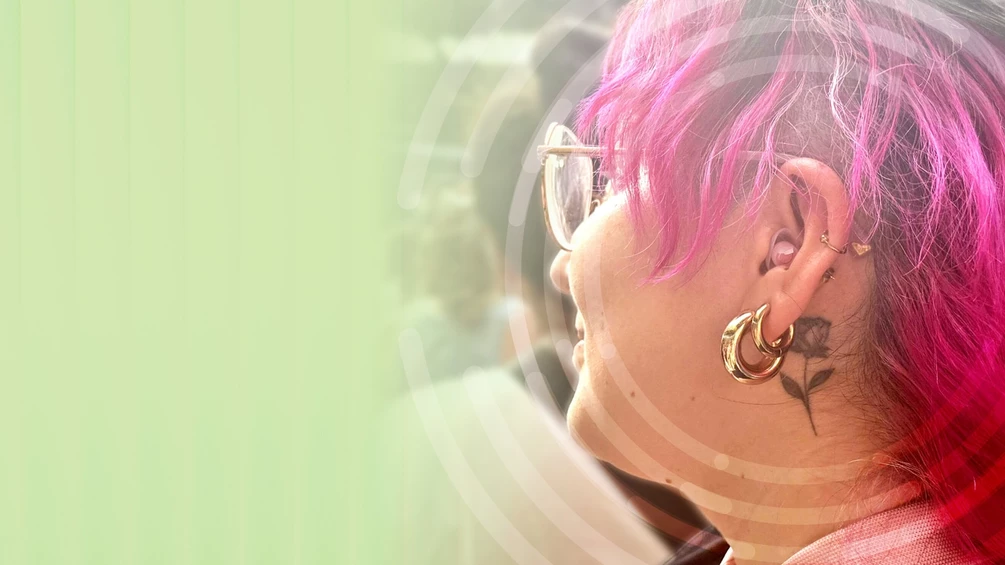
HangupsMusic.com – London, The visceral roar of a sub-bass array and the piercing clarity of a high-end sound system are, for many, the primary draws of the modern live music experience. However, a sobering new report suggests that the very sounds defining the nightlife experience for a generation are leaving behind a permanent and painful legacy. According to recent data released by the Royal National Institute for Deaf People (RNID), a staggering 83% of Gen Z music enthusiasts have reported significant hearing issues following their attendance at concerts, festivals, and club nights. This figure represents more than just a temporary "morning after" annoyance; it signals a burgeoning public health crisis within the 20-to-29-year-old demographic.
The study, which forms the backbone of the RNID’s "Don’t Lose The Music" campaign, paints a vivid picture of a generation that is deeply engaged with live performance but largely unprotected against its physical consequences. Of the hundreds of young adults surveyed, the vast majority admitted to experiencing the telltale signs of auditory trauma: persistent ringing in the ears (tinnitus), a buzzing sensation, or a "muffled" quality to their hearing that can last for hours or even days after the music has stopped. Perhaps most concerning is the revelation that 10% of these respondents now deal with these symptoms on a regular basis, indicating that for a significant portion of the youth population, the damage has moved from acute to chronic.
Despite the high prevalence of these symptoms, there remains a massive disconnect between the recognition of the problem and the adoption of preventative measures. The RNID data highlights a "protection gap," showing that only 20% of Gen Z attendees "often" wear earplugs during music events. This reluctance to use hearing protection is not merely a matter of forgetfulness; it is rooted in a complex web of social stigma, aesthetic concerns, and persistent technical myths that the "Don’t Lose The Music" initiative is now fighting to dismantle.
One of the most pervasive myths addressed by the campaign is the idea that earplugs fundamentally "ruin" the music. For decades, the standard for hearing protection was the disposable foam plug, which often filtered out high frequencies disproportionately, resulting in a muddy, underwater sound profile. However, the RNID is working to educate the public on the evolution of high-fidelity (Hi-Fi) earplugs. Unlike their foam predecessors, modern acoustic filters are designed to lower the decibel level evenly across the frequency spectrum, effectively "turning down the volume" without sacrificing the clarity of the vocal or the crispness of the percussion. By challenging the misconception that protection equals a reduction in sound quality, the organization hopes to make earplugs a standard piece of kit for the modern raver, much like a reusable water bottle or a portable charger.
The human cost of this auditory negligence is best illustrated by those who have already crossed the threshold into permanent damage. Natalie, a DJ and digital content creator known professionally as KEM, has become a leading advocate for the campaign, sharing a cautionary tale that resonates with many in the electronic music community. Like many of her peers, Natalie initially viewed the post-event ringing in her ears as a badge of honor or a standard byproduct of a good night out. "I’d often experience ringing in my ears after events, but assumed it was normal because it always went away—until one day it didn’t," she explains.
Natalie’s experience highlights the deceptive nature of hearing loss. The "temporary threshold shift"—the technical term for that muffled feeling after a loud event—is actually the ear’s way of protecting itself from further trauma, but it is also a warning that the delicate hair cells (cilia) in the inner ear are being overextended. Once these cells are destroyed, they do not regenerate. For Natalie, the transition from temporary discomfort to permanent tinnitus was a life-altering realization. Her hope is that by sharing her story, she can prevent others from reaching the point of no return, emphasizing that while the music is fleeting, the silence—or the lack thereof—is forever.
The urgency of the RNID’s message is further amplified by the current state of healthcare infrastructure. For those who do develop chronic conditions like tinnitus, the path to relief is fraught with obstacles. Data published in early 2025 revealed that patients seeking treatment for tinnitus through the NHS can face waiting lists of up to three years. This bottleneck in the medical system means that prevention is currently the only reliable "cure" available to the public. With specialized audiology departments overwhelmed, the "Don’t Lose The Music" campaign serves as a critical frontline defense, providing guidance on how to choose the right protection and how to navigate loud environments more safely.
The issue is not confined to the crowd; it is increasingly impacting the artists on stage as well. The electronic music world was recently shaken when the prominent producer and DJ Purple Disco Machine announced he was canceling a string of performances due to severe hearing loss and debilitating tinnitus. His experience underscored the fact that even with access to high-end monitoring and professional equipment, the sheer volume of a global touring schedule can take an irreparable toll. His month-long hiatus from the industry served as a wake-up call for many professionals who had previously ignored the warning signs of auditory fatigue.
This trend has prompted a broader conversation within the industry about "reframing disability" and accessibility. Features such as Yewande Adeniran’s exploration of disability in electronic music have begun to shift the focus toward how venues and promoters can create safer environments. While the responsibility often falls on the individual to bring earplugs, there is a growing movement calling for venues to provide free protection at the bar, to install decibel meters that are visible to both the DJ and the crowd, and to design "chill-out" zones where the ears can recover from the acoustic pressure of the main room.
The RNID offers several practical tips for those who want to enjoy the scene without sacrificing their future hearing. Beyond the use of earplugs, the organization suggests that fans maintain a physical distance from the speaker stacks. The "inverse square law" of physics means that even moving a few meters back can significantly reduce the sound pressure level hitting the eardrum. Additionally, taking "sound breaks"—spending ten minutes every hour in a quieter area—can give the ears a necessary period of recovery and prevent the cumulative damage that leads to permanent shifts in hearing.
As the "Don’t Lose The Music" campaign gains momentum, the goal is to foster a cultural shift where wearing earplugs is seen not as an admission of "getting old" or being "uncool," but as a savvy move for anyone who wants to continue enjoying live music for decades to come. The data is clear: the current trajectory for Gen Z’s hearing health is on a downward slope. However, with the right education and a move away from the "invincibility" complex of youth, the industry can ensure that the next generation of music fans can hear the beat just as clearly in their fifties as they do in their twenties.
For those interested in the technical specifics of the RNID’s findings or looking for a comprehensive guide on which earplugs suit their specific needs—whether they are a casual concertgoer or a professional musician—the full report and guidance are available through the organization’s digital portal. As the nightlife industry continues to recover and thrive in a post-pandemic world, the message from advocates like Natalie and organizations like the RNID is louder than ever: protect your hearing now, or you might find yourself living in a world where the music never truly stops, even when the lights go down.
