
 By Rose Miami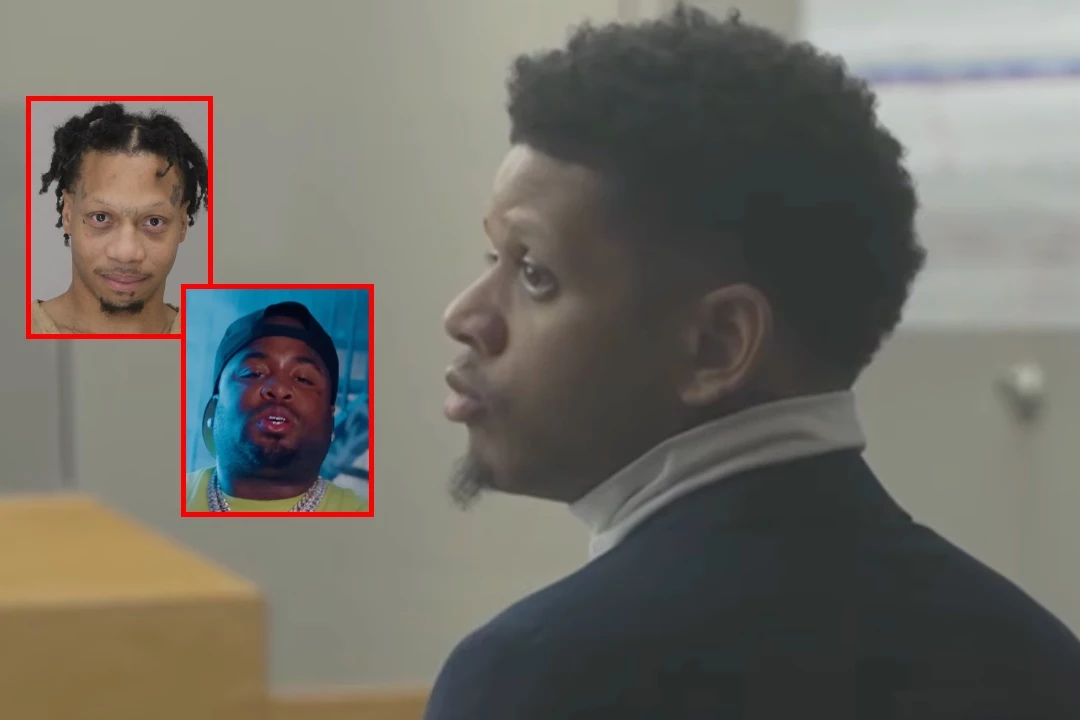
HangupsMusic.com – Dallas, TX – The intricate legal battle surrounding the 2020 murder of Dallas rapper Mo3, officially known as Melvin Noble, has entered a critical phase with jury selection commencing for Kewon White, who stands accused of carrying out the fatal shooting at the behest of fellow artist Yella Beezy, born Dequantes Lamar. White faces a capital murder charge, with prosecutors alleging he was the triggerman in a meticulously planned hit orchestrated by Beezy.
On Monday, August 24, Yella Beezy made a court appearance as the process of selecting a jury began for White’s high-profile murder-for-hire trial. The Dallas County court has assembled a pool of 77 potential jurors, from which a final panel of 12 will be chosen to hear the case. The proceedings are unfolding against the backdrop of a long-standing animosity between the two artists, a feud that authorities claim culminated in the fatal encounter on Interstate 35 in Dallas.
The prosecution’s case hinges on the assertion that Yella Beezy contracted White to carry out the assassination. Adding another layer to the complex web of accusations, a third defendant, Devin Brown, is also facing a capital murder charge in connection with Mo3’s death. Surveillance footage allegedly places Brown at the scene, seen approaching Mo3’s vehicle while wearing a ski mask, suggesting he may have played a supporting role in the execution of the alleged murder plot.
A significant development in the lead-up to the trial involved a ruling by Judge Chika Anyiam regarding the admissibility of rap lyrics as evidence. Following extensive arguments from both the prosecution and defense, the judge permitted the introduction of certain lyrical content into the courtroom. Among the songs the prosecution aims to present are Mo3’s "2 Nineteen," which reportedly references the shooting of Roylee Pate, a figure closely associated with Yella Beezy, as well as Yella Beezy’s own tracks "Keep It in the Streets" and excerpts from "On Ya Head."
The judge’s decision also allows for the inclusion of relevant social media posts from both Yella Beezy and Mo3, providing a digital footprint of their interactions and potential conflicts. Furthermore, a 2019 interview Yella Beezy conducted with VladTV has been deemed admissible, alongside evidence pertaining to past incidents, including the 2017 assault of Mo3 associate Roylee Pate and a 2018 shooting that left Yella Beezy wounded. These past events are being presented as context for the alleged motive and the escalating tensions between the artists.
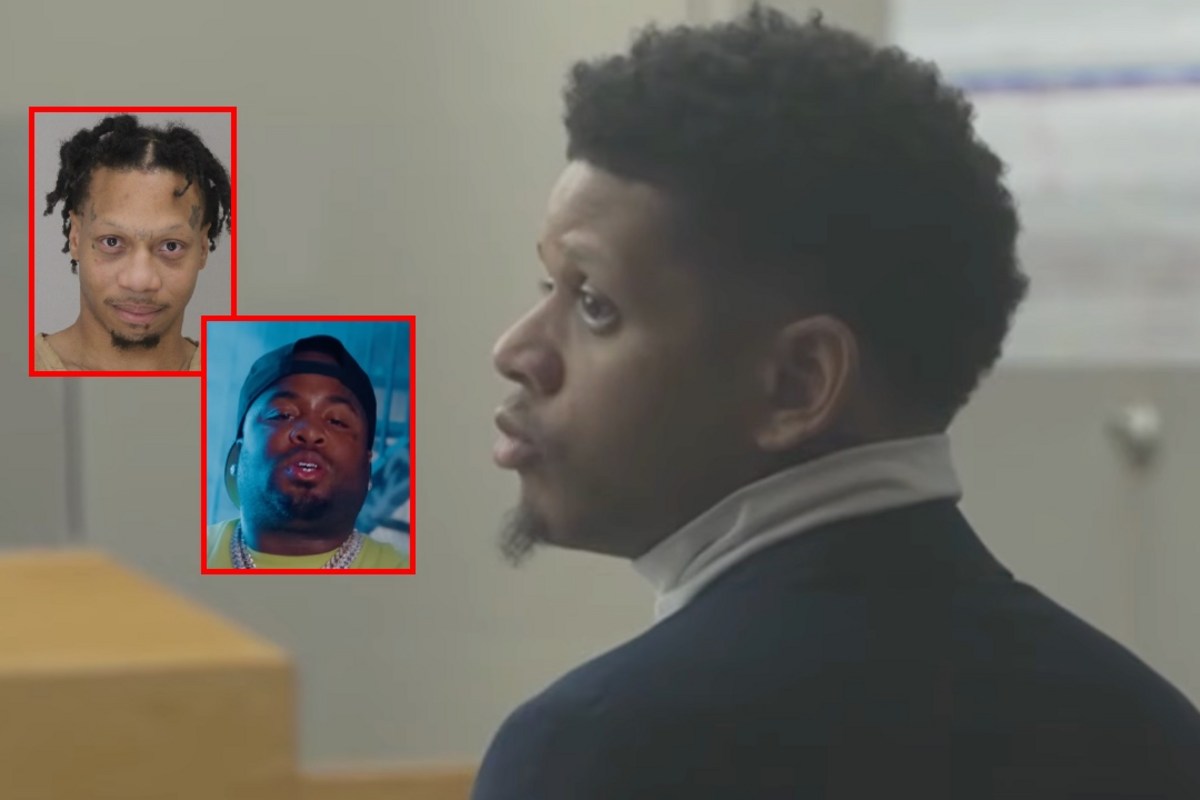
Interestingly, Judge Anyiam’s ruling stipulated that Kewon White’s trial will take precedence over Yella Beezy’s. A definitive trial date for Yella Beezy has not yet been established, leaving his legal proceedings in a state of anticipation.
While some rap lyrics will be permitted, the prosecution’s attempt to introduce a Dallas detective as an expert witness on the nuances of rap music was denied during a pre-trial hearing the previous Friday, August 21. This specific ruling could present a challenge for prosecutors in their efforts to definitively link Yella Beezy’s lyrics to a supposed bounty placed on Mo3, potentially offering a strategic advantage to the defense.
During a July hearing, Yella Beezy’s legal team vigorously opposed the inclusion of rap lyrics, enlisting the expertise of Dr. Erik Nielson, a professor at the University of Richmond who has dedicated years to studying the impact and interpretation of rap lyrics in criminal justice settings. Dr. Nielson testified that rap lyrics are often perceived as more literal when presented in their original genre compared to other musical styles. He cautioned that lyrics, particularly those containing boasts or admissions, can be misconstrued as direct confessions, thereby creating a risk of wrongful convictions for individuals who have not committed the alleged crimes.
The prosecution, however, maintains that their case against Yella Beezy is robust and extends far beyond his musical output. They point to a constellation of evidence, including witness testimonies, physical evidence collected at the scene, wiretap recordings, the aforementioned social media activity, and other investigative findings, as corroborating their allegations of a hired hit.
Opening statements and the presentation of testimony are anticipated to commence as early as Tuesday, August 25, marking the formal beginning of the trial for Kewon White. The proceedings are expected to be closely watched, given the high-profile nature of the artists involved and the gravity of the charges.
The legal proceedings underscore the complex intersection of artistry, personal conflict, and the criminal justice system, with the upcoming trial poised to shed further light on the events that led to Mo3’s untimely death and the alleged orchestration of his murder. The jury’s role will be to meticulously weigh the evidence presented by both sides and render a verdict that will undoubtedly have lasting repercussions within the music community and beyond.
