
 By admin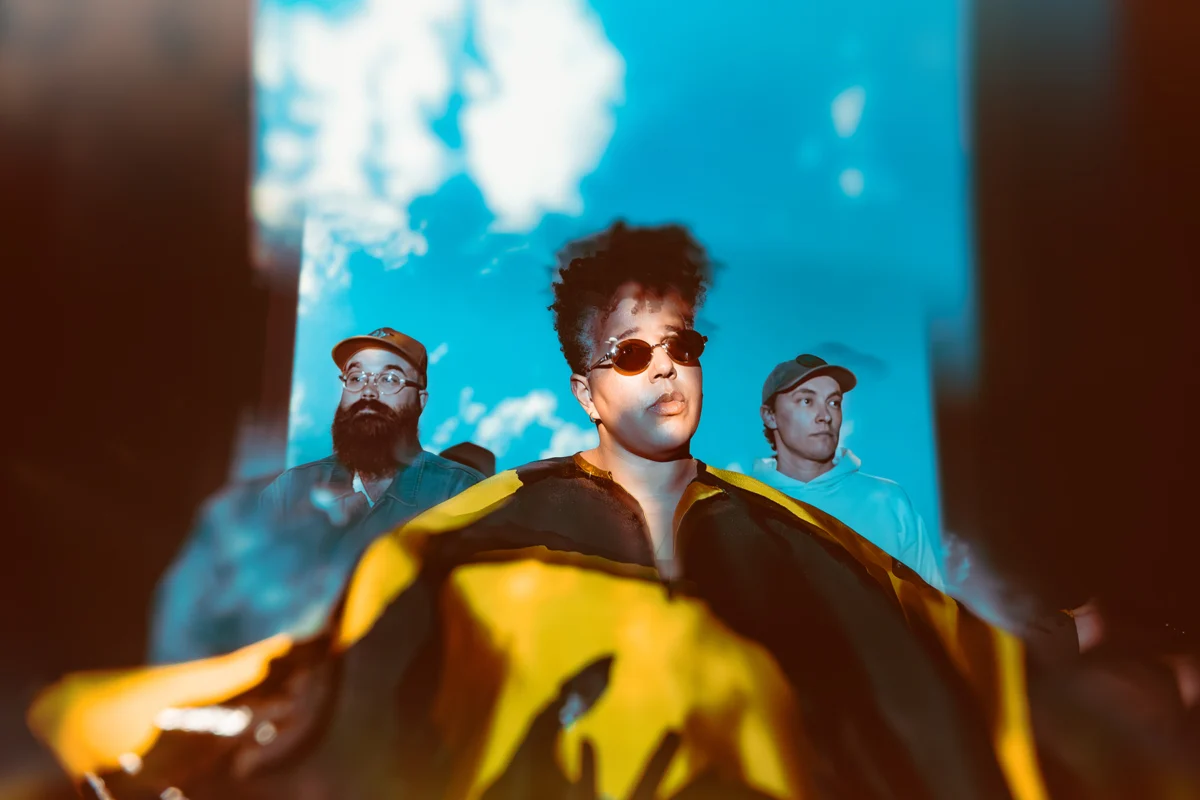
HangupsMusic.com – Fifteen years have elapsed since the world first heard the raw, unvarnished sound of Alabama Shakes with their debut EP, a release that unexpectedly propelled a small-town southern band into the global spotlight. Their early recordings, characterized by a soulful, blues-infused grit and a charmingly unpolished aesthetic, quickly became emblematic of a certain early-mid 2000s indie sensibility, often finding a home on playlists associated with quirky, vintage-inspired fashion. Yet, for much of the intervening decade, lead singer Brittany Howard, the band’s electrifying frontwoman, has actively worked to transcend such easy categorization. Through the band’s critically acclaimed sophomore effort, 2015’s Sound + Color, and her subsequent solo endeavors, Howard has firmly established herself not merely as a revivalist of bygone eras but as a restless artistic force, akin to a chameleon-like visionary, perpetually exploring new sonic territories and unburdened by genre constraints.
Now, after more than a decade, Howard reunites with the ensemble that first ignited her career. There could be no more fitting canvas for her ongoing artistic evolution than to infuse that experimental spirit into the very band still widely recognized for the breakout hit “Hold On.” I Must Be Dreaming, Alabama Shakes’ third studio album and their first offering in over ten years, arrives as a remarkably fresh and compelling reintroduction. It showcases entirely new facets of the group’s collective artistry, all while retaining the core vitality that made their initial records so captivating. This is, unequivocally, a mature record – both in its intricate musicality and its deeply reflective lyrical narratives. Its tracks delve into themes of poignant introspection, hard-earned optimism, the fractured state of contemporary society, and even the simple, grounding act of nurturing a garden. While some compositions, like "Garden," evoke a timeless, pre-World War II sonic palette, others, such as "Tea Time," feel like ethereal transmissions from the Afrofuturist soundscapes Howard has so boldly ventured into during her solo pursuits.
The reunited core trio – Howard, bassist Zack Cockrell, and guitarist Heath Fogg – sound not merely refreshed but profoundly invigorated. “Another Life” stands out as a sprawling chamber-soul epic, featuring an astonishingly agile and emotive vocal performance from Howard. Beneath her soaring voice, Cockrell’s bass provides a subtle yet intricate foundation, beautifully complemented by the percussive richness of congas and the shimmering accents of a glockenspiel. Fogg’s contribution is a piercing, often single-note guitar solo that serves the song’s emotional arc with understated power. The track feels unlike anything the band has previously recorded, yet simultaneously, it embodies a natural progression, a destination one might have hoped they would eventually reach had they continued releasing music directly after Sound + Color. It’s a testament to their inherent musical chemistry, allowing for ambitious new directions without ever feeling forced or incongruous.
Considering Howard’s formidable presence as a solo artist in recent years, it’s genuinely striking to witness the profound sense of ease and belonging she exudes while exploring new sonic landscapes within the embrace of her longest-standing collaborators. The album frequently highlights the steady, grounding warmth provided by her bandmates’ playing. On “Waist Deep,” an undeniable album highlight, the electric piano work of longtime accompanying keyboardist Ben Tanner establishes a lush, inviting atmosphere, providing a backdrop for Howard’s poignant queries: “Is all this hard stuff behind me?” The track pulses with a quiet intensity, a gentle questioning that resonates deeply. Similarly, the creeping, almost conversational interplay between Cockrell’s bass and Fogg’s guitar on “American Dream” masterfully conveys a narrative of alienation and societal unease, often with more eloquence than Howard’s evocative, associative lyrics alone. Cockrell’s melodic bass, mixed prominently and serving almost as a lead instrument throughout the record, weaves through the arrangements with remarkable dexterity, offering both rhythmic anchor and melodic counterpoint.
The album’s undeniable centerpiece, “I Feel Hope Coming,” is a masterful display of the band’s expanded range. It effortlessly traverses a diverse array of genres and sonic textures, drawing inspiration from the sophisticated soul of Curtis Mayfield, the timeless elegance of mid-century standards, and the expansive, kaleidoscopic sounds of 1960s psychedelia. What’s truly remarkable is the seamlessness of these transitions; the listener experiences no jarring shifts, only a fluid, exhilarating journey through distinct musical landscapes that converge into a cohesive, breathtaking whole. This track, more than any other, encapsulates the "genre-defying" spirit of I Must Be Dreaming, proving that Alabama Shakes is no longer content to merely inhabit a single stylistic lane.
That Howard sounds so unequivocally comfortable – and so authentically herself – in this reunited context is more than just heartwarming; it powerfully reinforces the argument that this particular band remains one of the most potent vehicles for translating the intricate tapestry of rock, soul, funk, and pop she envisions into tangible sound. The synergy among the musicians is palpable, allowing Howard’s singular voice and vision to flourish while being grounded by the familiar, intuitive interplay of her bandmates. On the album’s closing track, “Tied To You,” a poignant exploration of romantic regret and the enduring questions of “what if,” Howard contemplates the past and the unbreakable bonds of long-term connection. “There’s no going back / Whatever that was,” she sings, her words seemingly directed at a significant lover. Yet, throughout the song, a deeper resonance emerges, suggesting she could just as easily be addressing this heartfelt ode to her band itself: “I’m tied to your horse.”
I Must Be Dreaming is more than a comeback album; it’s a profound artistic statement, a testament to the enduring power of collaboration and the courage to evolve. It redefines Alabama Shakes, not by erasing their past, but by integrating Howard’s expansive solo journey into their shared narrative, creating something richer, more complex, and ultimately, more resonant than ever before. This record solidifies their status as an act that consistently pushes boundaries, proving that after a decade, their creative wellspring runs deeper and more vibrantly than ever.
