
 By Azzam Bilal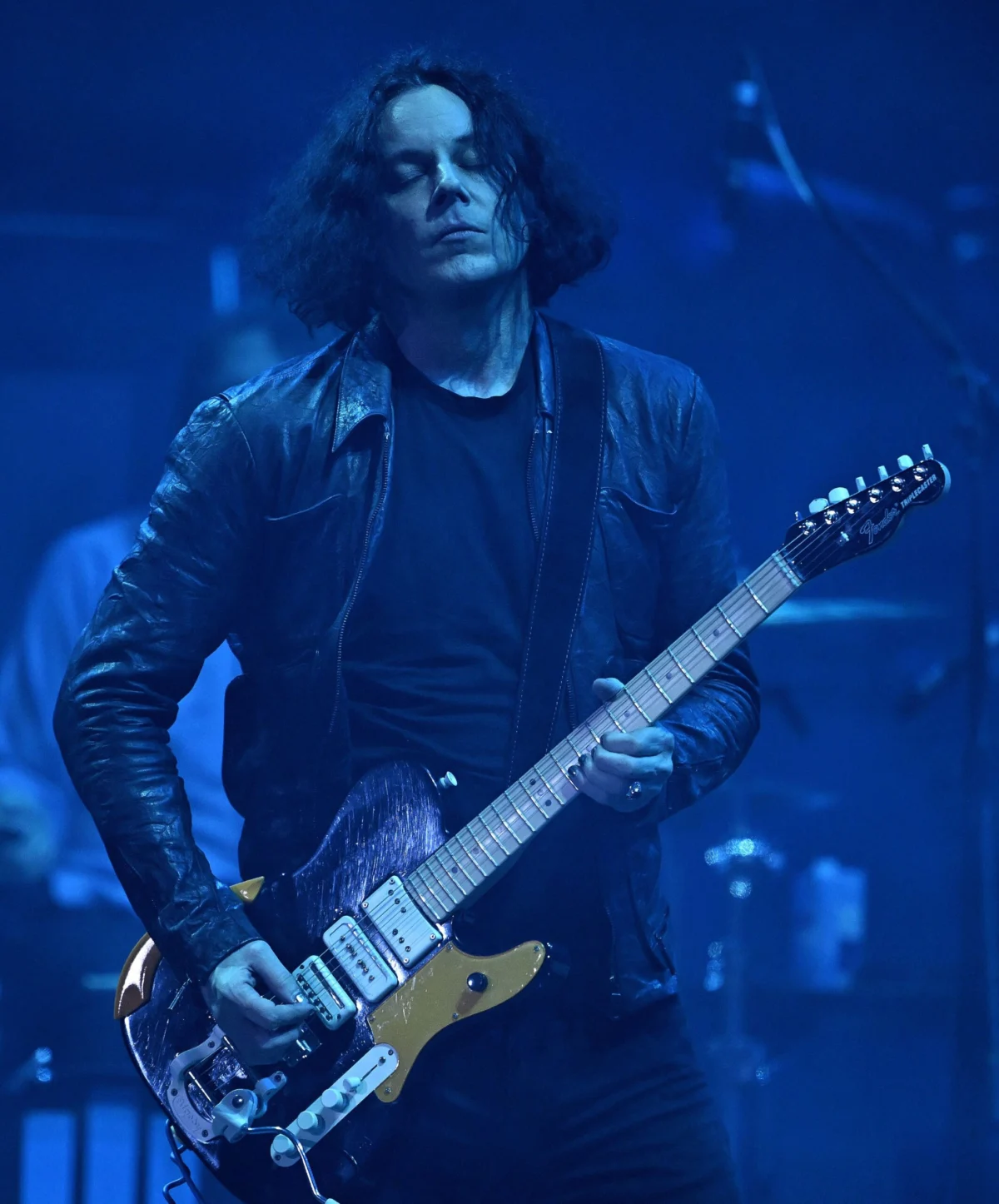
HangupsMusic.com – Nashville, The global music community was plunged into mourning on August 25 following the announcement that Dolly Parton, the irrepressible "Iron Butterfly" of country music and a singular figure in American culture, had passed away at the age of 80. As news of her death rippled across the globe, a massive outpouring of grief and gratitude emerged from every corner of the industry. Among the most poignant of these tributes came from Jack White, the garage-rock visionary and Third Man Records founder, who honored the late icon by revisiting a piece of musical history that has long linked their two distinct legacies.
White, who has never hidden his profound reverence for the architects of American roots music, initially took to social media to offer a brief but evocative sentiment. In a succinct Instagram post that resonated with his followers, he shared a photograph of Parton accompanied by the caption "Instant Sainthood." The brevity of the message mirrored the shock felt by many, yet it perfectly encapsulated the status Parton held—not just as a songwriter or a vocalist, but as a secular saint of the performing arts whose kindness and philanthropic spirit were as legendary as her multi-octave soprano.
However, White’s tribute did not end with a digital post. In a move that surprised and moved fans, he took to the stage to perform a searing rendition of "Jolene," the 1973 masterpiece that remains one of Parton’s most enduring contributions to the Great American Songbook. For White, the song is more than a cover; it is a foundational element of his own artistic identity. During the height of The White Stripes’ global influence, his raw, frantic interpretation of the track became a staple of the duo’s live sets, immortalized in the 2004 concert film Under Blackpool Lights.
According to data from setlist.fm, this performance marked a significant milestone: it was the first time White had performed "Jolene" in a public setting since the official disbandment of The White Stripes in 2007. By breaking a seventeen-year hiatus for this specific song, White signaled the gravity of the loss. The performance served as a bridge between the Nashville tradition Parton helped define and the modern rock landscape White has spent decades reshaping. His return to the track was described by those in attendance as a visceral, emotionally charged moment, a sonic funeral rite for a woman who transcended the boundaries of genre.
The relationship between Parton and White has always been one of mutual respect. While they emerged from different eras and stylistic backgrounds, both shared an obsession with the storytelling power of the song and the preservation of analog authenticity. Parton’s songwriting—often characterized by its deceptively simple melodies and profound narrative depth—provided a blueprint for artists like White, who found in her work a raw emotional honesty that translated perfectly to the distorted blues-rock of the early 2000s.
The tribute from the Third Man Records frontman was merely one voice in a massive, multi-generational chorus. As the sun set on the day of her passing, the "country pantheon" and the wider pop world seemed to unite in a rare moment of total consensus. Figures who have shaped the modern musical landscape, many of whom had their paths directly crossed by Parton’s influence or her legendary hospitality, shared their own remembrances.
Taylor Swift, an artist who has often been compared to Parton for her narrative songwriting prowess and business acumen, was among the first to offer her condolences. Swift has frequently cited Parton as a north star for female artists navigating the complexities of the music industry. Similarly, country royalty like Reba McEntire and Shania Twain shared memories of a woman who paved the way for women in Nashville to own their masters, run their own businesses, and command the stage on their own terms. Kacey Musgraves, representing the newer generation of Nashville rebels, also joined the collective mourning, highlighting Parton’s role as an inclusive figure who welcomed outsiders into the country fold.
The breadth of the tributes illustrated Parton’s unique ability to bridge cultural divides. Beyoncé, who recently explored country aesthetics on her Cowboy Carter project—which featured a reimagined version of "Jolene" and a personal introduction from Parton herself—paid her respects to the pioneer. The acknowledgement from the pop superstar underscored how Parton’s influence had expanded far beyond the Appalachian hills of her youth, reaching into the heart of modern pop and R&B.
Even more striking were the tributes from the worlds of rock and hip-hop. Sir Paul McCartney, a contemporary of Parton’s who shared her knack for writing melodies that feel like they have existed forever, offered a heartfelt message. Meanwhile, Eminem’s inclusion in the list of mourning artists served as a testament to Parton’s universal appeal. Though their musical styles are diametrically opposed, the respect for a master craftsperson like Parton is a common language spoken by artists across all disciplines.
Dolly Parton’s journey from a "one-room shack" in the Great Smoky Mountains to global superstardom is a narrative that has become part of American folklore. Over a career spanning more than six decades, she composed over 3,000 songs, including "I Will Always Love You"—one of the best-selling singles of all time—and "9 to 5," an anthem for the working class. Beyond the music, her Imagination Library has gifted over 200 million books to children worldwide, cementing her legacy as a champion of literacy and education.
As the industry reflects on her passing, the focus remains on the sheer volume of her creative output and the grace with which she navigated her fame. She was a rare figure who was equally respected by the avant-garde and the mainstream, a woman who could joke about her "artificial" appearance while maintaining the most genuine heart in show business.
For Jack White, the act of singing "Jolene" one more time was a way to ground that legacy in the physical world. By reviving a song he had put away nearly two decades ago, he reminded the public that while the artist may be gone, the art remains a living, breathing entity. The frantic energy of White’s version, contrasted with the heartbreaking vulnerability of Parton’s original, showcases the versatility of her writing—it is music that can be bent, bruised, and shouted, yet its core remains unbreakable.
The collective tributes curated by outlets like Pitchfork and others continue to grow, as fans and peers alike grapple with the departure of a woman who felt permanent. Nashville, a city she helped build into a global music capital, has seen impromptu vigils and floral tributes at the Ryman Auditorium and the Grand Ole Opry.
In the coming weeks, the music world is expected to announce various memorial concerts and retrospective honors. Yet, for many, the most authentic tribute will remain those moments of individual connection—a needle dropping on a vinyl copy of Coat of Many Colors, or a rock musician in a dark room, plugging in a guitar to play those four haunting chords of "Jolene." Dolly Parton’s death marks the end of an era, but as Jack White’s performance suggests, her songs are far from finished. They will continue to be sung, reimagined, and cherished by anyone who values the power of a story well-told. "Instant Sainthood" may have been the caption, but for the millions she touched, Dolly Parton’s immortality was guaranteed long before she left the stage.
