
 By admin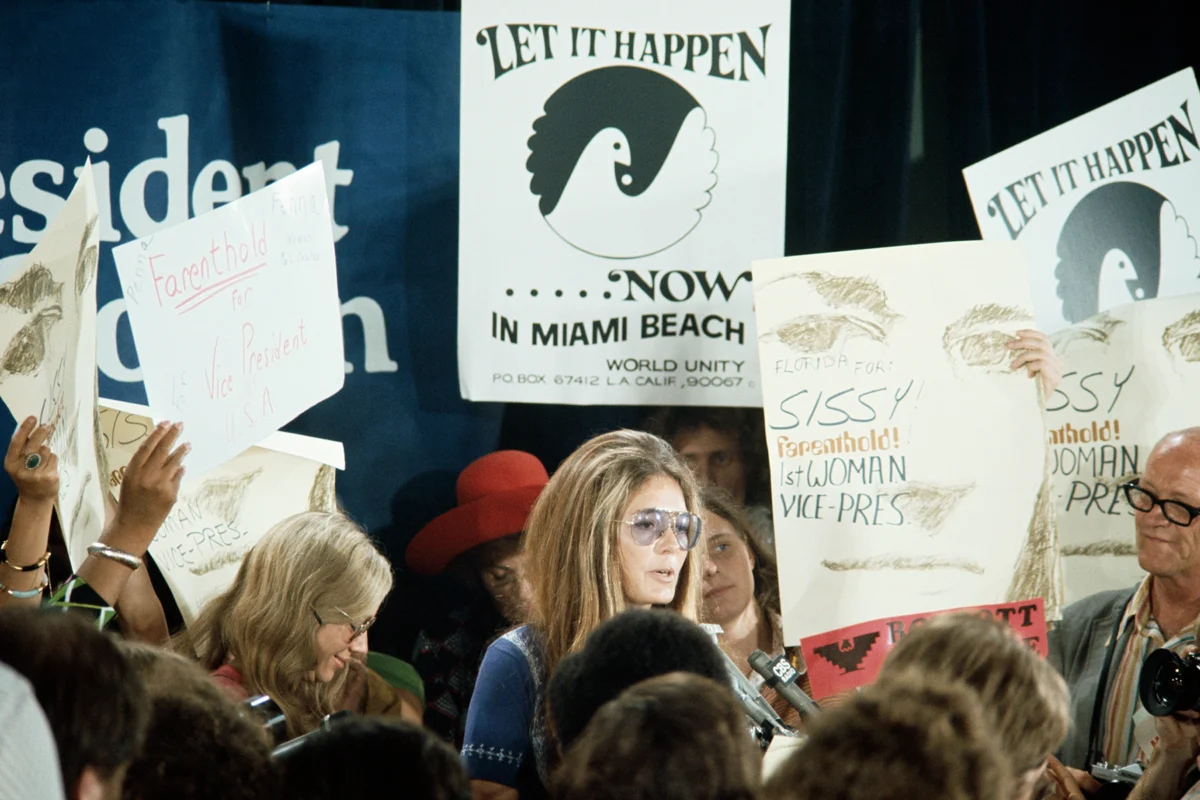
HangupsMusic.com – The world recently paused to acknowledge the passing of Gloria Steinem at the age of 92, marking the end of an era for one of the most transformative figures in American social and political history. Steinem, a name synonymous with the women’s liberation movement, carved a unique and indelible path as an activist, writer, and organizer, fundamentally reshaping the discourse around gender equality for nearly seven decades. Her journey was not defined by the pursuit of elected office, a realm she deliberately eschewed, but rather by an unwavering commitment to catalyzing change from the ground up, proving that profound societal shifts can emanate from outside the traditional corridors of power. Her legacy, far from being a closed chapter, remains a vibrant testament to the enduring power of persistent advocacy and the perpetual necessity of vigilance in the pursuit of justice.
Born in Toledo, Ohio, Steinem’s early life was marked by a peripatetic existence that instilled in her a keen observational eye and a deep empathy for marginalized experiences. Her career as a journalist in the 1960s provided the initial platform for her activism, offering her a front-row seat to the societal inequities that would fuel her life’s work. It was through groundbreaking investigative pieces, such as her undercover exposé on the Playboy Bunny experience, that she began to dismantle the romanticized facades of female objectification and labor exploitation. This blend of incisive reporting and personal immersion quickly established her as a formidable voice, capable of articulating complex social critiques in accessible, compelling ways.
Steinem rapidly ascended to prominence as a leading intellectual and strategist within the nascent women’s liberation movement of the 1960s and 1970s. Alongside other formidable figures like Shirley Chisholm, Betty Friedan, Fannie Lou Hamer, and Bella Abzug, she helped to forge a powerful coalition demanding fundamental shifts in women’s roles, rights, and recognition. Unlike some of her contemporaries who might have focused solely on legislative battles, Steinem understood the profound cultural underpinnings of sexism. Her work, therefore, extended beyond policy papers to challenge ingrained attitudes, media representations, and everyday discriminations. The founding of Ms. Magazine in 1972 stands as a monumental achievement in this regard, providing a dedicated platform for feminist voices, discussions, and news, and fundamentally altering the landscape of mainstream media by centering women’s perspectives. It was more than a publication; it was a movement in print, fostering a sense of shared identity and purpose among women nationwide.
Steinem’s deliberate choice to operate outside the conventional political arena was a cornerstone of her philosophy. She never sought to put her name on a ballot, believing that true, lasting change often originates from grassroots organizing, public awareness, and the empowerment of individuals to challenge systemic injustices. Her activism was a masterclass in demonstrating how citizens can profoundly influence their nation’s trajectory without ever holding a government position. This approach emphasized the power of collective action and the importance of fostering a civic culture where engagement extends far beyond the polling booth.
A tangible manifestation of this philosophy was the co-founding of the National Women’s Political Caucus (NWPC) in 1971. This pioneering organization was conceived not just to advocate for women’s issues, but to actively recruit, train, and support women candidates seeking elected office at all levels—from local councils to the halls of Congress. The NWPC played a pivotal role in demystifying the political process for women, equipping them with the tools and networks necessary to navigate campaigns and challenge the deeply entrenched male-dominated political establishment. Its impact has been generational, nurturing countless women who have since entered public service, transforming legislative bodies and bringing diverse perspectives to policy-making. The enduring presence of women in American politics today owes a significant debt to the foundational work laid by Steinem and her colleagues through initiatives like the NWPC.
Yet, as the nation reflects on Steinem’s extraordinary life, it does so against a backdrop that she herself might have recognized as a particularly challenging period for women’s rights. The current political climate, characterized by the ascendancy of a far-right movement, openly advocates for a return to traditionalist gender dynamics that threaten decades of progress. The federal right to reproductive freedom, a cornerstone of women’s autonomy, has been systematically dismantled. Beyond this, there are overt calls to roll back other hard-won victories, including no-fault divorce, critical equal employment and opportunity protections, and even access to contraception. The promotion of "male-controlled household voting" and the narrative that women’s independence from compulsory homemaking is a root cause of societal decay underscore a profound ideological regression. This environment, presided over by a president who has faced numerous accusations of sexual assault and misconduct, eerily echoes the very injustices Steinem dedicated her life to combating, highlighting the continuous nature of the struggle she so often spoke of.
Steinem herself presciently articulated the enduring nature of this fight. "Voting isn’t the most we can do," she famously wrote, "but it is the least. To have a democracy, you have to want one." This statement encapsulates her belief that the ballot box is merely a foundational act, a cyclical affirmation of deeper values that require continuous, full-time commitment and community building. Even in her later years, Steinem exemplified this philosophy, continuing to host her renowned "talking circles" at her home. These intimate gatherings provided a communal space for women to engage in robust discussions about politics and culture, embodying her conviction that genuine democracy thrives on active, informed participation and collective deliberation, not just periodic electoral engagement.
Her profound influence reverberates through the testimonies of countless women she inspired. Former Secretary of State and First Lady Hillary Clinton, for instance, shared that Steinem had been the very reason she first donned her iconic aviator glasses, a small detail that speaks volumes about the personal connection and emulation Steinem fostered. Clinton further elaborated on Steinem’s role as a catalyst, stating that while Steinem herself might not have been an astronaut, she paved the way for Sally Ride; while not a college athlete, she stood behind the women in Congress who enacted Title IX; and though not on the Supreme Court, her voice and activism were instrumental in the advancement of Roe v. Wade. "Gloria Steinem pushed open doors not just for herself, but for literally millions of women behind," Clinton affirmed, underscoring the expansive reach of her advocacy.
Oprah Winfrey’s tribute echoed this sentiment, highlighting the pervasive yet often uncredited impact of Steinem’s work. Winfrey observed that "Every woman who has ever walked into a room knowing she belongs there; every woman who has demanded equal pay, equal respect, ownership of her own body, and the right to make her own choices; every girl who has grown up assuming that her dreams are hers to pursue—whether she knows Gloria Steinem’s name or not—is living, in some measure, inside the progress Gloria helped create." This powerful statement underscores how Steinem’s vision has permeated the very fabric of contemporary society, shaping the expectations and realities of women even generations removed from the movement she helped birth.
As new generations emerge, many will undoubtedly encounter Steinem’s name, her seminal writings, and her potent speeches. They might engage with the organizations she helped establish, particularly if they choose to enter public service. More fundamentally, they will inherit and experience the benefits of the movement she meticulously helped to construct, even if they remain unaware of the face behind the revolution.
Steinem consistently cautioned against complacency, especially regarding the notion that the fight for gender equality had been won. In a prescient 2014 essay for Ms. Magazine, titled "Why Our Revolution Has Just Begun," she dismantled the "myth" that "women of the Seventies did all that could or should be done, and young women can now relax; feminism was their mothers’ movement." She emphasized that "such deep changes take time," a timeless reminder that societal transformation is an ongoing process.
In what has become one of her most enduring metaphors, Steinem famously articulated her vision for continued activism: "At my age, in this still hierarchical time, people often ask me if I’m ‘passing the torch.’ I explain that I’m keeping my torch, thank you very much—and I’m using it to light the torches of others. Only if each of us has a torch will there be enough light." This powerful image encapsulates her enduring belief in collective empowerment and the shared responsibility to illuminate the path forward. Gloria Steinem’s passing is not merely the end of a remarkable life, but a potent call to action, reminding us that the work she championed—the pursuit of true gender equality and a more just society—remains, emphatically, an unfinished revolution.
