
 By Azzam Bilal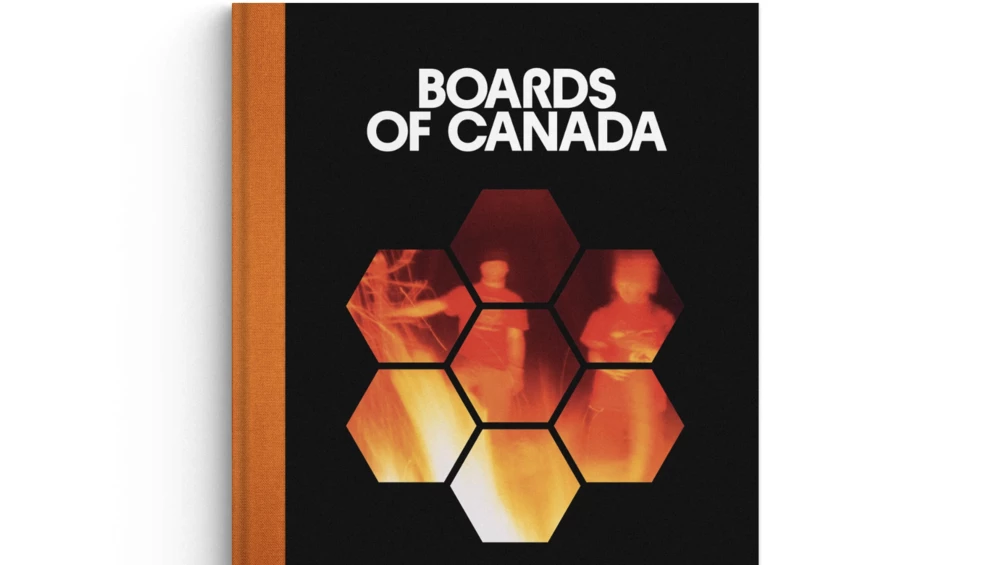
HangupsMusic.com – Manchester, The landscape of electronic music is often defined by its transience—a constant churn of subgenres, fleeting club hits, and digital-only releases that vanish as quickly as they appear. However, few entities have managed to exist outside the traditional flow of time quite like Boards of Canada. The Scottish duo, comprised of brothers Michael Sandison and Marcus Eoin, has spent decades cultivating a sound that is as much about memory and nostalgia as it is about synthesis and rhythm. In recognition of their enduring and singular impact on the global music scene, Disco Pogo has announced the latest installment in its prestigious Tribute series: a deep-dive publication dedicated entirely to the world of Boards of Canada.
The announcement comes at a pivotal moment for the group’s dedicated following. Titled A Disco Pogo Tribute To Boards of Canada, the book follows the recent release of Inferno, the duo’s first full-length studio album in thirteen years. The long hiatus between 2013’s Tomorrow’s Harvest and their latest offering only served to heighten the mythological status of the band, making the timing of this literary tribute particularly resonant. According to the publishers, the book is currently available for pre-order, with physical copies scheduled to begin shipping to fans on November 10, 2026.
This volume marks the fifth entry in the Disco Pogo Tribute series, a collection that has previously turned its analytical lens toward some of the most formidable names in electronic and alternative music. To date, the series has honored the robotic precision of Daft Punk, the experimental genius of Aphex Twin, the dance-punk sensibilities of LCD Soundsystem, and the late, legendary polymath Andrew Weatherall. A spokesperson for Disco Pogo noted that while all their previous subjects were titans of the industry, Boards of Canada has arguably been the most frequently requested artist by their readership since the series first launched. This demand speaks to a specific kind of devotion that the brothers Sandison inspire—a "cultishness," as described by some, that few other modern musicians have managed to achieve.
To do justice to such a complex subject, Disco Pogo has assembled a roster of some of the most respected voices in music journalism and cultural criticism. Among the primary contributors is Simon Reynolds, the influential critic who famously coined the term "hauntology" to describe the specific brand of eerie, retro-futuristic nostalgia that Boards of Canada helped pioneer. Reynolds’ involvement is a significant draw for the publication; his ability to contextualize electronic music within broader social and psychological frameworks aligns perfectly with the duo’s own thematic preoccupations. Joining him are Elizabeth Alker, a prominent broadcaster and journalist known for her work on BBC Radio 3 and 6 Music, and David Keenan, a novelist and critic who has long championed the experimental fringes of the UK underground.
The content of the book is designed to be as multifaceted as the music it describes. Rather than a standard biography, the publication offers a dense tapestry of original features, long-form essays, and critical reviews of the band’s entire discography. These written pieces aim to unpack the layers of the Boards of Canada sound—from their use of vintage analog synthesizers and obscure field recordings to the recurring themes of nature, mathematics, and childhood education films. For many listeners, Boards of Canada represents a bridge between the pastoral and the technological, and the essays within this tribute seek to explore that intersection in depth.
Beyond the written word, the book serves as a visual and technical archive. It includes meticulously researched timelines that trace the band’s development from their early, ultra-rare private releases to their emergence as the crown jewels of the Warp Records roster. Fans of the duo’s technical process will find particular interest in the included gear lists, which attempt to document the specific hardware used to create their signature "warped" and "saturated" sonic textures. While the brothers have famously remained guarded about their studio secrets, the book’s exploration of their instrumentation offers a glimpse into the analog alchemy that defines the Hexagon Sun studio.
The visual component is further bolstered by rare photography and family trees that illustrate the band’s connections to the wider electronic music community and their roots in the Scottish Highlands. This holistic approach to documentation is a hallmark of Disco Pogo, a publication that pride itself on the physical artifact of the book as much as the digital content it promotes. In an era where music journalism is increasingly relegated to short-form social media posts and ephemeral blog entries, this tribute stands as a permanent, tangible record of a band that has spent their career avoiding the spotlight.
The roots of Disco Pogo itself provide a fascinating backdrop to this project. The publication is the spiritual successor to Jockey Slut, the irreverent and highly influential dance music magazine that emerged from Manchester in the early 1990s. Founded by John Burgess and Paul Benney—the minds behind the legendary Bugged Out! club nights—Jockey Slut began as a humble bi-monthly fanzine before evolving into a national monthly powerhouse between 1999 and 2004. Known for its wit, its refusal to take the industry too seriously, and its genuine passion for the music, the magazine helped define the "cool" of the UK dance scene for over a decade.
Disco Pogo carries that DNA into the modern era, albeit with a more refined and archival focus. The Tribute series, in particular, reflects a desire to treat electronic music with the same academic and aesthetic reverence usually reserved for jazz or classical icons. By dedicating a full volume to Boards of Canada, the publishers are acknowledging the duo’s role not just as musicians, but as world-builders who have created an entire aesthetic universe that fans can inhabit.
The release of Inferno served as a reminder of the duo’s relevance in a rapidly changing musical landscape. In the thirteen years following their previous record, the "BoC-style" of music—characterized by pitch-shifted melodies, dusty breakbeats, and a sense of "found" sound—has been imitated by countless producers across the lo-fi hip-hop and ambient scenes. Yet, the original remains peerless. The new album, which received widespread critical acclaim, proved that the Sandison brothers have lost none of their ability to evoke profound emotion through synthetic means. The Disco Pogo tribute acts as a companion piece to this new era of activity, offering both new listeners and long-time devotees a way to navigate the band’s dense history.
As the music industry continues to grapple with the implications of streaming and the decline of physical media, projects like A Disco Pogo Tribute To Boards of Canada offer a different path forward. They cater to a demographic that values curation, deep analysis, and the tactile experience of a well-designed book. For the fans who have spent years decoding the hidden messages in the band’s artwork or hunting down limited-edition vinyl pressings, this publication represents a long-overdue celebration of an act that has consistently chosen art over artifice.
Pre-orders for the volume are currently being processed through the official Disco Pogo store, where the full collection of previous tribute books can also be found. With a shipping date set for late 2026, the book is poised to be a landmark release for the electronic music community, ensuring that the legacy of Boards of Canada is preserved with the care and detail it deserves. Whether one is a seasoned follower of the Hexagon Sun or a newcomer drawn in by the atmospheric pull of Inferno, this tribute promises to be the definitive guide to one of the most mysterious and beloved acts in the history of electronic sound.
