
 By Azzam Bilal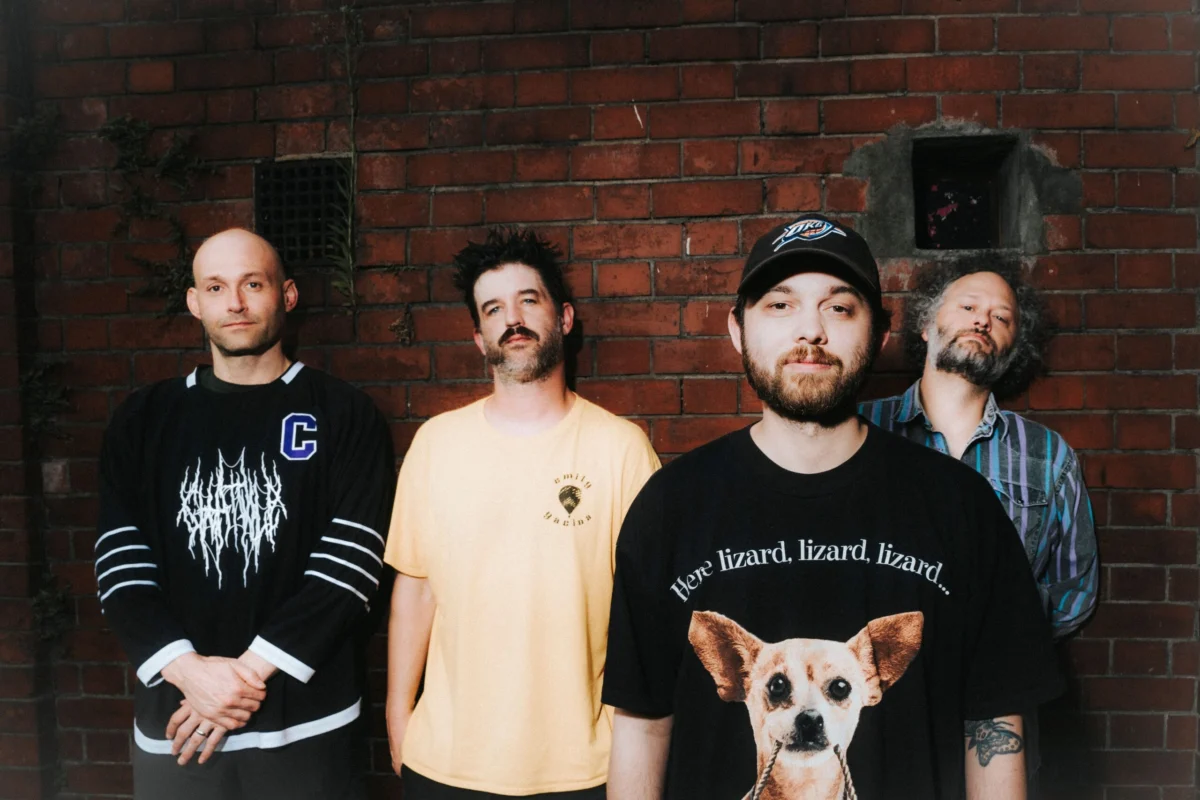
HangupsMusic.com – NEW YORK, The contemporary music landscape operates at a velocity that can often feel overwhelming, as the sheer volume of digital distributions makes it increasingly difficult for listeners to identify the truly essential recordings of the moment. Each week brings a new wave of artistic statements, ranging from the abrasive depths of independent noise rock to the polished heights of global pop icons. In this week’s curation of significant releases, we find a fascinating intersection of nostalgia and progression. From the long-awaited return of alternative rock stalwarts to the anniversary celebrations of paradigm-shifting R&B masterpieces, the current slate of new music offers a comprehensive look at the diverse genres currently defining the cultural zeitgeist.

At the forefront of this week’s heavier offerings is Chat Pile, the Oklahoma City quartet that has rapidly ascended to the top of the noise rock and post-hardcore hierarchy. With their third full-length album, Who Loves the Sun, the band demonstrates a refined understanding of their own sonic architecture. Six years into their trajectory, Chat Pile has moved beyond mere experimentation, settling into a sound that is as cohesive as it is corrosive. The album serves as a visceral conduit for their observations on the modern condition, tackling a litany of contemporary anxieties including the rise of artificial intelligence, the brutality of global conflict, and the isolating nature of our technological dependencies. Musically, Who Loves the Sun is built upon a foundation of sludge-heavy riffs and guitars that drone with a metallic intensity, suggesting the sound of industrial machinery being slowly dismantled. Despite the bleakness of their subject matter, the band manages to inject a sense of defiant humanity into the work, suggesting that even as the world feels as though it is eroding, there remains a core of individual resilience worth fighting for.
Shifting from the abrasive to the introspective, Melissa Auf der Maur makes a significant return to the spotlight after a sixteen-year hiatus from studio recording. Known for her foundational work as the bassist for Hole and her contributions to the Smashing Pumpkins, Auf der Maur’s new project, Bass Womb Room: My ’90s 4-Track Demos x Field Recordings, functions as both a time capsule and a fresh creative statement. This collection is an intricate tapestry that weaves together raw home demos from the 1990s with eight entirely new compositions. The project serves as a sonic companion to her current photographic exhibition in Ontario and follows the recent release of her memoir. According to Auf der Maur, these early demos were born out of a desire to protect her artistic integrity during a period when the major-label industry was exerting immense pressure on artists to produce radio-friendly hits. By revisiting these recordings, she reclaims the "Montreal art girl" persona of her youth, blending the lo-fi intimacy of a 4-track recorder with modern field recordings to create a haunting, multi-dimensional listening experience.
.jpg)
In the realm of pop and R&B, the 20th Anniversary Edition of Beyoncé’s B’Day provides a timely opportunity to revisit an album that many critics argue remains her most consistently energetic work. While her later projects, such as Lemonade or the genre-bending Cowboy Carter, are often cited for their narrative ambition and cross-media innovation, B’Day represents a peak of high-octane performance. Released in 2006, the album is a relentless parade of club-ready anthems, from the brassy bravado of "Freakum Dress" to the rhythmic complexity of "Get Me Bodied." This anniversary edition, which includes the expanded deluxe tracks like "Beautiful Liar" and "Check on It," highlights a version of Beyoncé that was lean, hungry, and deeply rooted in the traditions of soul and funk-inflected dance music. It serves as a reminder that before she became a global conceptualist, she was already a master of the pure, unadulterated banger.
The Atlanta hip-hop scene continues to prove its vitality with the debut solo effort from Karrahbooo, titled Not Da 2. After gaining significant traction as a standout member of Lil Yachty’s Concrete Boys collective, Karrahbooo’s departure from the group earlier this year sparked intense curiosity about her solo direction. Not Da 2 delivers on the promise of her early features, showcasing an "unbothered" flow that has become her signature. The album is a stylistic mosaic, ranging from soul-sampled cruising tracks to tracks driven by distorted, speaker-rattling bass. Her lyrical approach remains aloof yet sharp, maintaining a boastful persona while occasionally letting the mask slip for moments of vulnerability. The closing track, "Do U 1 Better," which features an appearance from her mother, provides a grounding, personal touch to an album that otherwise excels at cool, detached confidence.

Across the Atlantic, the Scottish duo Arab Strap celebrates three decades of musical partnership with their latest release, Half-Told Tales. Aidan Moffat and Malcolm Middleton have long been the preeminent chroniclers of the darker, seedier side of life, utilizing bleak poetry and glowering guitar arrangements to create immersive, often uncomfortable worlds. On their new album, the duo turns their gaze outward, aiming their trademark skepticism at political figures and the global elite. Despite the inherent cynicism of their lyrics, Half-Told Tales contains surprising moments of melodic uplift. Tracks like "Sunsong" feature soaring chords that provide a necessary counterpoint to the album’s more claustrophobic moments. It is a testament to the duo’s enduring chemistry that they can continue to find new ways to articulate the frustrations of the modern era without losing the grit that made them icons of the indie underground.
Emerging from the world of international pop competitions, Adéla Jergova presents her debut album, Prima. Having gained a dedicated following through the South Korean series Dream Academy and the Netflix documentary Pop Star Academy, the Slovakian-born artist was always viewed as a solo star in the making. A trained ballerina, Adéla brings a level of physical discipline and poise to her pop persona that is reflected in the album’s title, a nod to the "prima ballerina" designation. However, the music itself allows for a certain "calculated messiness" that draws comparisons to the rebellious energy of Miley Cyrus’s Bangerz era or the playful versatility of Doja Cat. Prima is a collection of high-energy, sweat-laden pop tracks that announce Adéla as a formidable new presence on the global stage, blending the precision of her classical training with the uninhibited spirit of contemporary chart-toppers.

For those seeking a more meditative experience, Norwegian composer Carmen Villain offers Memoria. Inspired by the "Deep Listening" philosophy of Pauline Oliveros, Villain’s latest work is an exercise in atmospheric patience. Released via the respected Smalltown Supersound label, the album blends elements of dub techno with diaphanous ambient textures. Tracks like "Entre Nosotros" evoke the skeletal, echo-drenched rhythms of the classic Rhythm & Sound era, while "Labor of Imagination" utilizes flutes, clarinets, and organic wind sounds to create a New Age-inspired sanctuary. Memoria is an album that demands the listener’s full attention, rewarding those who are willing to sink into its bioluminescent soundscapes.
In the DIY rock circuit, Felix Walworth returns with their fourth album as Told Slant, titled What’s Up. The record is a poignant exploration of the changing landscape of New York City, a place Walworth has seen transform from a hub of subculture into a territory increasingly dominated by corporate interests. What’s Up is described as an ode to maintaining one’s creative identity in an environment that often feels hostile to the project of self-expression. To bring this vision to life, Walworth collaborated with members of the indie collectives Skullcrusher and Florist, resulting in a sound that feels both communal and deeply personal. It is a record characterized by "gritted-teeth optimism," finding beauty in the struggle to belong to a city that no longer looks like the one in which you were raised.

Finally, Mykki Blanco’s Cafe Paradiso arrives as a sophisticated entry in the artist’s evolving discography. Created following Blanco’s completion of a graduate degree, the album feels tailored for the "cosmopolitan aesthete." It is a boozy, starry-eyed journey through the nightlife of the East Village, moving fluidly between post-punk, drill, and atmospheric club music. Blanco’s vignettes of dance floor encounters and urban flirtations capture the essence of the downtown art crowd, offering a soundtrack for those who are actively crafting their own dreams in the midst of the city’s chaos. Together, these releases represent a week of profound artistic breadth, offering something for every facet of the modern listener’s experience.
