 By Rose Miami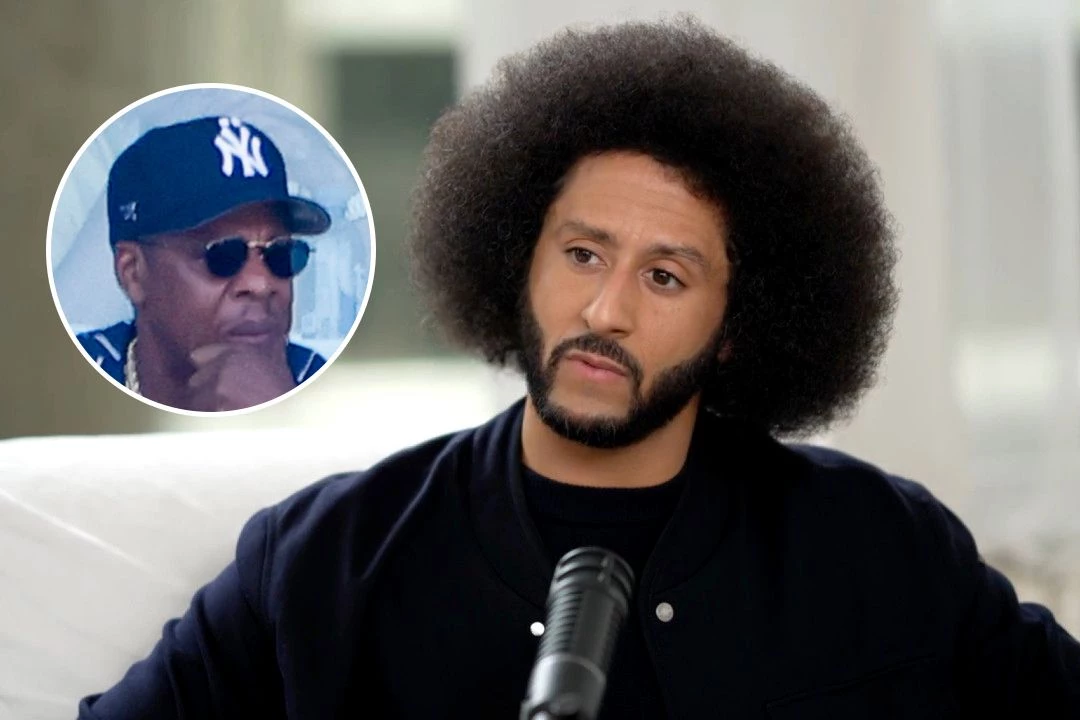
HangupsMusic.com – Colin Kaepernick has broken his silence on the complex dynamic between himself and hip-hop mogul Jay-Z, detailing a candid and critical conversation that transpired following Roc Nation’s landmark partnership with the National Football League in 2019. The revelations come as Kaepernick prepares to release his forthcoming book, The Perilous Fight, offering a deep dive into his experiences and perspectives.
In an interview with NBC News’ Lester Holt, conducted ahead of the book’s release, Kaepernick elaborated on the lingering issues he has held with Jay-Z, stemming directly from the NFL deal. According to a report published by NBC News on Wednesday, September 3rd, Kaepernick addresses the Brooklyn-born artist within the pages of his book. He recounts learning about the NFL’s collaboration with Roc Nation only after the agreement was finalized, despite frequent communication with Jay-Z. It was during this period, Kaepernick stated, that he confronted the rapper with pointed words: "I just want you to know, one, you’re serving the culture up to a bunch of racists and, two, they don’t care about you. You’re the music guy to them. They quite literally need a Black face—and have said as much."
The former NFL quarterback emphasized the profound significance of Jay-Z’s decision to align with the league, particularly given the NFL’s subsequent actions and treatment of Kaepernick himself following his courageous protests against racial injustice and police brutality. Kaepernick articulated his perspective to Holt, explaining, "He has built the alignment with the NFL, the NFL that has blackballed me, the same NFL that, in a players-owners meeting in 2017, said we need a Black face to help us get rid of the protests." He continued, "I understand why he’s trying to do reputational recovery. I get it. I don’t agree with the actions, but I’m also not gonna respond to everything that’s said about me, because I also believe the actions and the work that I do will speak for themselves."

Jay-Z himself addressed Kaepernick indirectly during a freestyle performance at a Yankee Stadium concert in July. He rapped, "They run out of characters, had to bring back up Kap again/Buddy took a check, I ain’t even mad at him/But along with that check you have to sign a non-disparagement." This lyrical reference suggested that Kaepernick had accepted a financial settlement that included a clause preventing him from speaking negatively about the league.
However, Kaepernick used his conversation with Holt to directly refute this claim. He clarified that he did not, in fact, sign any non-disparagement agreement. Furthermore, he posited that Jay-Z’s decision to mention him in the freestyle was indicative of a "guilty conscience" on Jay-Z’s part, stemming from his partnerships with entities like the NFL and, more recently, the retail giant Target.
"First and foremost, what it speaks to is power of people," Kaepernick explained to Holt. "The backlash that [Jay-Z] received for partnering with the NFL and going counter to people’s interests in 2019 was a major problem for him, so much so that he’s still bringing it up." He elaborated on this sentiment, observing, "People are now realizing, ‘Why are you so comfortable stepping into these positions that are counter to the positions that people on the ground actually want?’ And to me, I view that as speaking to a guilty conscience and trying to reposition or reframe the conversation."
The full extent of Kaepernick’s interview with Lester Holt is slated for release on September 7th. His highly anticipated book, The Perilous Fight, is scheduled to hit bookstores on September 15th, promising further insights into his journey and ongoing advocacy. The NFL’s controversial involvement with Roc Nation has been a point of contention for many, particularly within communities advocating for social justice, and Kaepernick’s upcoming book and interview are expected to reignite discussions surrounding the complexities of activism, corporate partnerships, and the pursuit of systemic change. The NFL, a league that has faced persistent criticism regarding its handling of player protests and its historical relationship with Black athletes, continues to navigate these sensitive issues. Jay-Z, a figure who has often been lauded for his business acumen and his ability to bridge the worlds of music and commerce, finds himself at the center of this renewed scrutiny. Kaepernick’s directness in addressing these matters underscores his commitment to holding powerful individuals and institutions accountable for their actions and their impact on the broader fight for equality. His narrative aims to provide a firsthand account of the challenges and considerations faced by those who choose to speak out against injustice, even when it means confronting powerful allies and navigating complex ethical landscapes. The anticipation surrounding The Perilous Fight suggests a significant moment for fans and observers alike, eager to gain a deeper understanding of Kaepernick’s motivations and his perspectives on the intersection of sports, culture, and social activism.
