
 By admin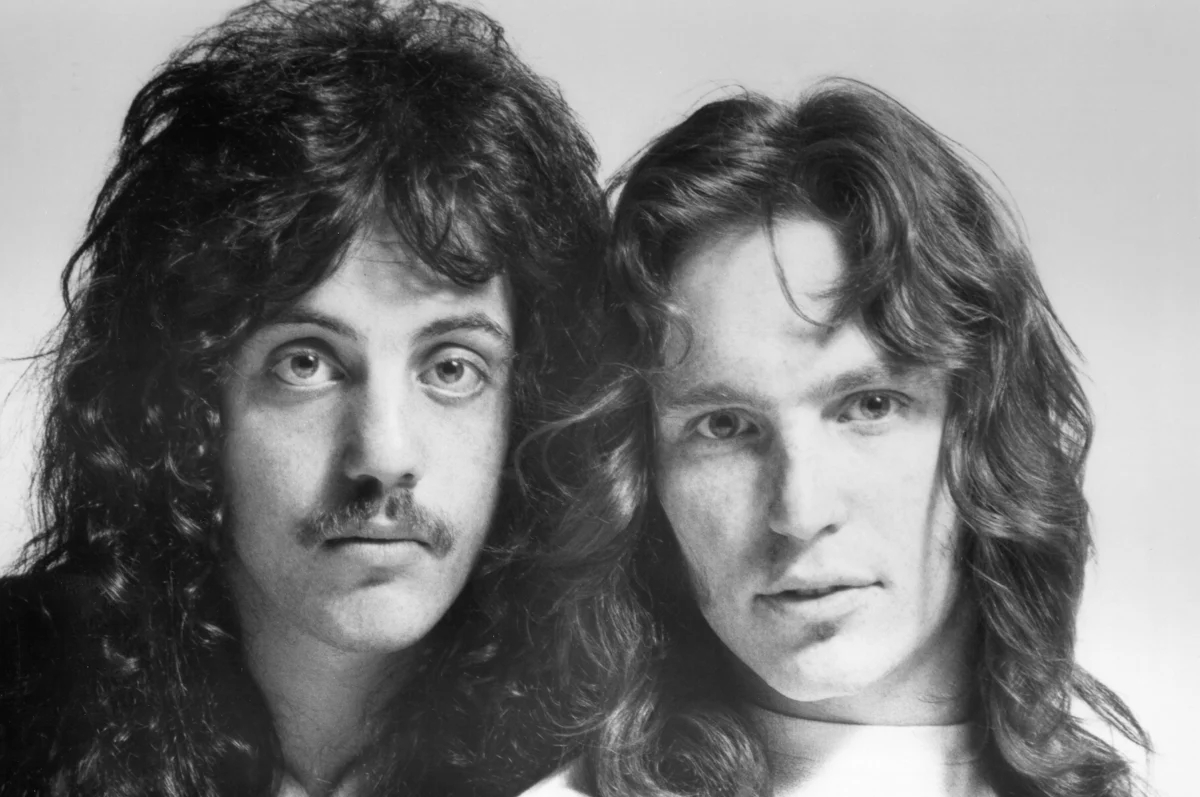
HangupsMusic.com – Jon Small, the multifaceted musician, director, and lifelong friend whose professional and personal journey was inextricably linked with that of superstar Billy Joel, has passed away. Small’s death was confirmed by Joel himself through a heartfelt social media tribute, leaving fans and industry insiders reflecting on a relationship marked by the profound complexities of brotherhood, betrayal, and ultimate forgiveness. Details regarding Small’s age and cause of death were not disclosed at the time of the announcement.
Small’s legacy is woven deeply into the nascent stages of Billy Joel’s storied career, predating the iconic "Piano Man" moniker and the stadium-filling anthems. Their bond began in the vibrant, experimental music scene of the 1960s, a period of creative ferment that would forge the foundations of their intertwined destinies. Their first significant collaboration came with The Hassles, a rhythm and blues-influenced rock band that emerged from Long Island in the mid-1960s. Small, a drummer with a powerful beat and an intuitive feel for groove, anchored the band’s sound, while a young, prodigiously talented Billy Joel honed his keyboard skills and began to experiment with songwriting.
The Hassles were more than just a band; they were a crucible for the ambitions of their members. Signed to United Artists Records, they released two albums, "The Hassles" (1967) and "Hour of the Wolf" (1969), garnering regional success and a devoted following, particularly in the tri-state area. Their music blended soulful vocals with gritty rock instrumentation, showcasing Joel’s burgeoning lyrical and melodic prowess even as a sideman. During these formative years, Small and Joel developed an intense friendship, sharing dreams of rock and roll stardom and navigating the challenging landscape of the music industry together. This period solidified a bond that would, against all odds, endure the most severe personal trials.
Following The Hassles’ dissolution, Small and Joel’s creative partnership evolved into a more unconventional and audacious project: Attila. Formed in 1969, Attila was a hard rock duo, an unusual format for the time, featuring Small on drums and Joel on Hammond organ and vocals. Their self-titled debut album, released in 1970 on Epic Records, was a departure from The Hassles’ sound, leaning into heavier, more experimental territory. It was a raw, visceral expression of their shared musical vision, marked by aggressive organ riffs and powerful drumming. The album, though not a commercial success at the time, stands as a fascinating artifact of Joel’s early artistic explorations, a far cry from the melodic pop-rock he would later master.
It was during the Attila era, a time of shared artistic ambition and close living quarters, that their friendship faced its most profound test. Billy Joel, then struggling financially, had moved in with Jon Small and his wife, Elizabeth Weber. The living arrangement, initially born of necessity and camaraderie, unexpectedly became the catalyst for a deeply personal upheaval. As recounted in the revealing 2014 documentary "Billy Joel: A Matter of Trust – The Bridge to Russia" (also known as "And So It Goes"), Joel fell in love with Weber, leading to an affair that shattered the foundation of his friendship with Small.
The emotional fallout was immense. Small vividly recalled the moment of devastating revelation in the documentary: "Elizabeth was very important to me, but I think I was not the guy she hoped I would be. I kept seeing that Billy was not the same guy. Something was the matter. And Billy one day came up to me, became a little honest, and said to me, ‘I’m in love with your wife.’ So it was a very devastating thing for me, because these were basically my two best friends."
Joel, too, spoke candidly about the guilt and turmoil he experienced. "I felt very, very guilty about it. They had a child. I felt like a homewrecker," he confessed in the film. "I was just in love with a woman, and I got punched in the nose, which I deserved. Jon was very upset. I was very upset." The affair led directly to the abrupt end of Attila, the immediate dissolution of their friendship, and Joel’s eviction from Small’s home. It was a period of intense personal anguish that profoundly impacted both men, momentarily severing a bond that had seemed unbreakable. This turbulent episode is often cited as a crucial turning point in Joel’s life, pushing him towards introspection and ultimately fueling the deeply personal songwriting that would define his solo career. Many speculate that the emotional turmoil of this period directly inspired some of the raw vulnerability found in his early solo works.
The immediate aftermath saw Joel struggling to find his footing, moving to Los Angeles and briefly performing under the pseudonym Bill Martin before signing his solo deal and releasing "Cold Spring Harbor" in 1971. His relationship with Elizabeth Weber continued, and they eventually married in 1973. This marriage, which lasted until 1982, saw Joel’s meteoric rise to global stardom, with hits like "Piano Man," "Just the Way You Are," and "Scenes from an Italian Restaurant" cementing his place in music history. Weber also played a significant role in his early career, serving as his manager during a critical period.
Yet, despite the painful rupture, the story of Jon Small and Billy Joel is ultimately one of profound reconciliation. The depth of their shared history and the strength of their underlying affection proved resilient. Small’s capacity for forgiveness, a testament to his character, eventually paved the way for their renewed friendship. As Small eloquently stated in the documentary, reflecting on Joel’s emotional reaction at the time, "He never really said anything to me, the only practical answer I can give as to why Billy took it so hard was because he loved me that much and that it killed him to hurt me that much. Eventually I forgave him." This act of forgiveness was not merely a personal healing but also opened the door for a renewed professional collaboration, demonstrating a rare and powerful capacity to transcend past hurts.
In the years that followed, Small transitioned from drumming to a successful career as a director, bringing his keen artistic eye and deep understanding of performance to the visual medium. It was in this capacity that he and Joel reconnected professionally, forging a new chapter in their enduring partnership. Small became a trusted visual storyteller for Joel, directing some of his most memorable concert films and music videos. His credits include the dynamic "Live From Long Island" and the epic "Live at Shea Stadium," capturing Joel’s electrifying stage presence and connecting with his massive fanbase. Small’s direction was instrumental in translating the energy of Joel’s live performances to screens worldwide, ensuring that the magic of those moments was preserved for posterity. He also helmed the music video for Joel’s poignant duet with Ray Charles, "Baby Grand," a testament to their rekindled collaborative spirit.
Beyond his work with Billy Joel, Jon Small established himself as a respected and sought-after director in the broader music industry. His directorial portfolio boasts an impressive array of videos for other prominent artists across various genres, including country superstar Reba McEntire, Latin pop sensation Enrique Iglesias, and the iconic country duo Brooks & Dunn. His ability to craft compelling visual narratives for such diverse artists underscored his versatility and talent, demonstrating a keen understanding of how to enhance a song’s message through imagery.
Jon Small’s life story is a compelling narrative of artistic pursuit, personal challenge, and the enduring power of human connection. From the gritty clubs of Long Island with The Hassles to the grand stages of Shea Stadium, his journey was intricately linked with one of music’s most beloved figures. The complexities of his relationship with Billy Joel, laid bare for the public in "And So It Goes," offered a rare glimpse into the deeply human struggles and triumphs that often underpin extraordinary careers. His legacy is not just that of a talented musician and director, but also of a man whose capacity for forgiveness allowed a fractured friendship to heal and flourish anew, proving that some bonds are indeed, unforgettable. Small’s passing marks the end of an era, but his contributions, both to music and to the compelling human story he shared with Billy Joel, will undoubtedly resonate for years to come.
