 By Azzam Bilal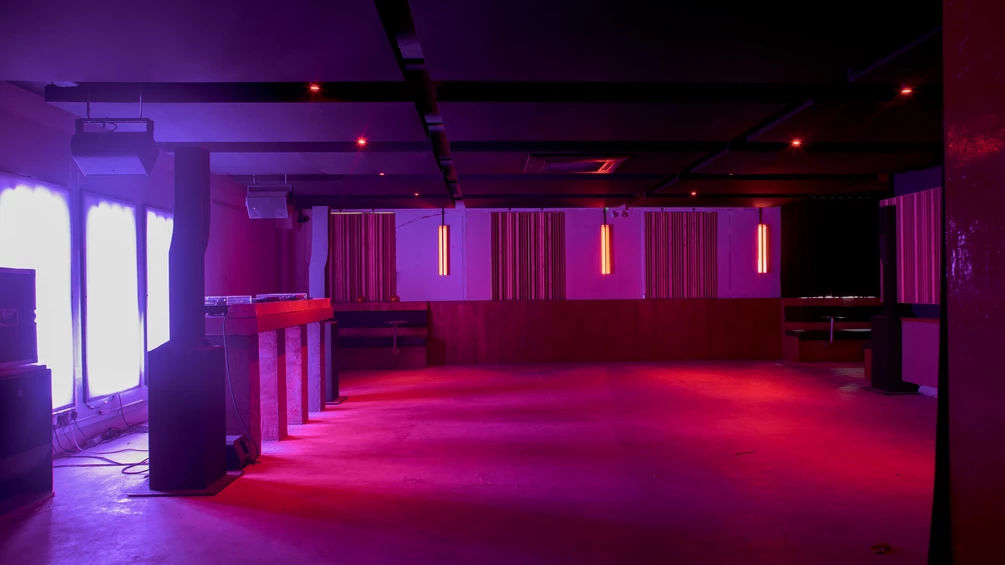
HangupsMusic.com – Manchester, The cultural landscape of Manchester has long been defined by its willingness to challenge the status quo, and the city’s independent music scene remains the heartbeat of this rebellious spirit. In a move designed to confront the systemic barriers that have historically kept certain voices out of the control room, renae, an independent music venue and bar located in the vibrant Northern Quarter, has officially launched a pioneering initiative. Titled the "Promoter Promise," this scheme represents a tangible commitment to diversifying the city’s nightlife by providing financial, logistical, and professional scaffolding for individuals from marginalized and underrepresented backgrounds.
Announced via social media this week, the Promoter Promise is not merely a symbolic gesture but a comprehensive support package designed to lower the high entry costs of event promotion. The Northern Quarter-based team has structured the initiative to benefit three successful applicants, each of whom will receive a robust resource kit to kickstart their career in curation. This includes a £1,000 curatorial budget to book talent and cover production costs, a £350 personal bursary to support the individual’s time and labor, and an additional £300 dedicated specifically to marketing and promotion. By addressing the financial risk—often the primary deterrent for aspiring promoters without personal capital—renae is effectively de-risking the process of creative experimentation.
The eligibility criteria for the scheme are purposefully inclusive but targeted toward those at the beginning of their journey. It is open to Greater Manchester residents who identify with a marginalized or underrepresented demographic. While applicants are expected to have some foundational experience in the arts or creative sectors, the program specifically seeks those with less than two years of experience in the high-stakes world of event promotion. The invitation extends beyond traditional promoters; renae is actively encouraging musicians, sound engineers, and stage managers to apply, recognizing that the skills required to run a successful night often overlap with these technical and creative disciplines.
Central to the initiative is the recognition that money alone cannot dismantle decades of systemic exclusion. Consequently, the Promoter Promise includes a heavy emphasis on professional development and mentorship. Beau-Azra Scott, the venue’s Creative Producer and Events Programmer, will lead this aspect of the program, offering one-to-one mentoring sessions to guide the participants through the complexities of the industry. From negotiating contracts with agents to managing technical riders and understanding venue health and safety, the mentorship aims to bridge the gap between creative vision and operational reality. Furthermore, participants will receive "on the ground" assistance during their events, ensuring they are supported during the high-pressure environment of a live show. In a move toward long-term sustainability, renae has also pledged free future event space hire for the participants once their initial subsidized dates are completed, fostering a lasting relationship between the venue and the new wave of curators.
The focus of the project is initially centered on TOPP (The Other People Place), renae’s upstairs club space. This room, which opened its doors in March of this year, carries a significant cultural weight in its very name. It serves as a tribute to the late James Stinson, a visionary member of the Detroit electro duo Drexciya. "The Other People Place" was Stinson’s most acclaimed solo alias, under which he produced the seminal album Lifestyles of the Laptop Café. By grounding the initiative in a space named after a Black electronic music pioneer, renae aligns itself with a lineage of artists who used music as a tool for world-building and social commentary.
Speaking to DJ Mag about the motivations behind the scheme, Beau-Azra Scott highlighted the profound disconnect that currently exists between the stage and the booth. "A lack of representation impacts the event’s experience as a whole; if the people onstage don’t have anyone backstage they can relate or connect to, it’s going to impact their experience," Scott explained. This observation touches on the psychological safety and creative freedom of performers, who often find themselves in spaces where the decision-makers do not share their lived experiences. Scott further noted that this lack of diversity trickles down to the audience and the staff, creating an environment that can feel exclusionary or stagnant.
The initiative arrives at a critical juncture for the UK music industry, which has been forced to reckon with several damning reports regarding equity and inclusion. Scott pointed out the irony that the global music industry is fueled by genres—from house and techno to jazz and hip-hop—that originated within "global majority" cultures, yet the leadership structures of these industries remain disproportionately white and male. "The industry should look a whole lot different and it’s a systemic issue that it doesn’t," Scott added, citing the "disproportionate representation" of those running and producing events as a primary catalyst for the Promoter Promise.
The data supporting these claims is stark. The inaugural UK Music Census, published in 2024 by Help Musicians and the Musicians’ Union, revealed a landscape rife with prejudice. The report found that more than 50% of women working in the music industry had experienced some form of discrimination. While women are highly visible as performers, the census highlighted a severe underrepresentation in technical, managerial, and promotional roles—the "behind-the-scenes" positions that dictate who gets paid and who gets played.
This mirrors the findings of the UK Government’s Women and Equalities Committee (WEC) in their "Misogyny in Music" report. The committee described the industry as an "endemic boys club" where predatory behavior is often overlooked and career progression for marginalized groups is frequently stalled by informal networks of power. This is not a localized issue; it is a global phenomenon explored in depth by academic and author Samantha Parsley in her book Minor Keys. Drawing on six years of research and interviews with over 60 electronic artists worldwide, Parsley illustrates how the "meritocracy" of the music world is often a myth that obscures deep-seated gender and racial inequalities.
Perhaps the most glaring disparity is found in the economic contributions of Black artists versus their representation in the boardroom. The "Black Music Means Business" report, released earlier this year, revealed that a staggering 80% of British music revenue is generated by genres of Black origin. Despite this massive economic impact, only 22% of senior professionals in the industry identify as Black, and those who do reach these positions face a 20% pay gap compared to their white colleagues. The research, which included testimonies from 80 Black music creators, painted a picture of "persistent patterns of inequality" that prevent talented individuals from reaching the upper echelons of the industry.
In the face of these daunting statistics, renae’s Promoter Promise is a localized, grassroots response to a global problem. By focusing on the Northern Quarter—a district that has transitioned from a bohemian enclave to a commercial hub—the venue is reclaiming the area’s history as a site for alternative culture. The goal is to ensure that the next generation of Manchester’s cultural leaders reflects the true diversity of the city.
"For the people who this isn’t targeted at, I hope they know why it exists and I hope they support what comes out of the back of it," Scott stated. "For the people who this is for, I hope they’re creatively galvanised by it." The hope is that by empowering three individuals, a ripple effect will be created, inspiring others to take up space in an industry that has too often felt closed off.
Applications for the Promoter Promise are currently open and will remain so until 4:00 PM BST on Monday, September 28th. Interested parties are encouraged to submit their proposals via the venue’s official channels. As Manchester continues to navigate the challenges of a post-pandemic nightlife economy, initiatives like this serve as a reminder that the future of the scene depends not just on the music being played, but on who is given the power to host the party. By investing in the promoters of tomorrow, renae is ensuring that the "Other People" finally have a place at the table.
