
 By Rose Miami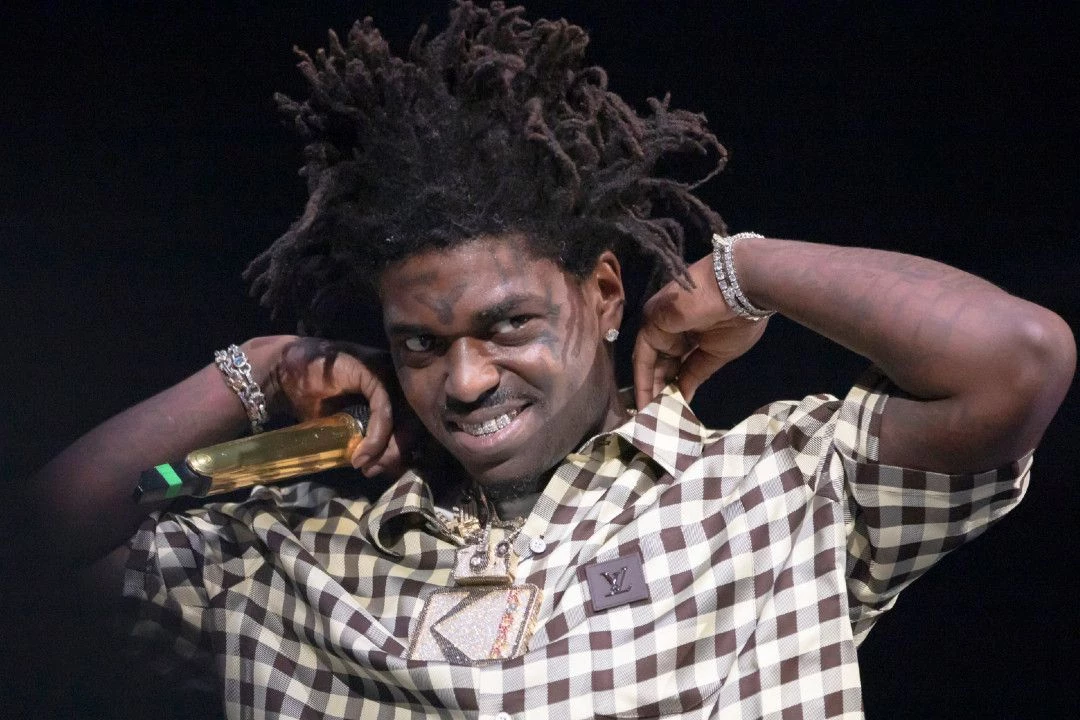
HangupsMusic.com – In a significant legal development, Florida prosecutors have officially declined to pursue drug trafficking charges against rapper Kodak Black, stemming from an incident that occurred late last year. This decision marks a crucial victory for the Broward County artist, adding to a recent string of positive legal outcomes. The dismissal of the drug case follows closely on the heels of another case being thrown out, signaling a period of respite for the musician.
The charges in question originated from an encounter with law enforcement in Orlando in November 2025. At the time, police were responding to reports of gunshots when they encountered Kodak Black, whose legal name is Bill Kahan Kapri. According to an arrest warrant that was later obtained, officers reportedly discovered a pink bag containing a quantity of MDMA and approximately $37,000 in cash in his possession. While Kodak Black was not immediately taken into custody, subsequent forensic analysis conducted by the Florida Department of Law Enforcement confirmed that the substance in the bag was indeed MDMA, and the amount was consistent with trafficking quantities. This led to the issuance of an arrest warrant in May of this year, for which he was subsequently arrested and later released on bond.
However, the legal proceedings took a decisive turn on Friday, September 11th. Prosecutors formally filed a "no information" notice, a legal document indicating their decision not to proceed with formal charges. The filing cited an "insufficient to prove possession of contraband" rationale, effectively closing the chapter on the drug trafficking allegations. This decision by the state attorney’s office suggests a re-evaluation of the evidence and its sufficiency to secure a conviction.
This favorable outcome for Kodak Black comes just days after another legal entanglement was resolved in his favor. His arrest in February 2026 for charges of fleeing and eluding a police officer was dismissed by a South Florida judge. The rapper’s attorney, Bradford Cohen, had filed a motion to have the case thrown out, arguing that the arresting officer’s actions did not meet the legal threshold for initiating a stop or issuing commands. Cohen contended in his filing that the deputy failed to properly request the artist’s license and insurance, and critically, did not disengage from his patrol vehicle to issue any meaningful or lawful order. The judge’s decision to grant the motion underscores the strategic legal defense mounted by Cohen’s team.

In a video shared on Instagram following the dismissal of the second case, attorney Bradford Cohen expressed his satisfaction with both legal victories. He emphasized that in his professional opinion, Kodak Black should not have faced charges in either of these matters. The attorney’s statements highlight a belief that the initial arrests and subsequent charges were either unfounded or lacked the necessary prosecutorial merit to proceed. Cohen’s articulation of the legal strategy and his confidence in his client’s position have been central to navigating these recent legal challenges.
The dual dismissals represent a significant positive shift in Kodak Black’s recent legal history. While the artist has had previous encounters with the justice system, these recent resolutions offer a period of reprieve. The rapper, known for his distinctive flow and introspective lyrics, has often been in the public eye for his legal battles, which have sometimes overshadowed his musical output. These two recent victories, however, allow for a renewed focus on his career and creative endeavors.
The legal process for drug trafficking charges can be particularly complex, often hinging on the chain of custody of evidence, the legality of the search and seizure, and the prosecution’s ability to prove intent and possession beyond a reasonable doubt. In this instance, the state’s decision to drop the charges suggests that one or more of these critical elements may have been deemed insufficient for a successful prosecution. Similarly, cases involving fleeing and eluding often require a clear demonstration of a lawful order being issued and a deliberate act of evasion by the driver. The grounds for dismissal in the February case indicate a potential flaw in the initial traffic stop and the subsequent escalation.
Kodak Black’s legal team, led by Bradford Cohen, has consistently maintained his client’s innocence in these matters. The successful navigation of these charges points to a robust legal strategy that effectively challenged the prosecution’s cases. As the artist moves forward, these legal victories may provide a renewed sense of freedom and an opportunity to concentrate on his artistic projects without the looming specter of legal proceedings. The music industry will undoubtedly be watching to see how this period of legal resolution influences his future work and public presence. The rapper’s ability to overcome these significant legal hurdles underscores the importance of effective legal representation and the complexities inherent in the American justice system.
