
 By Rose Miami
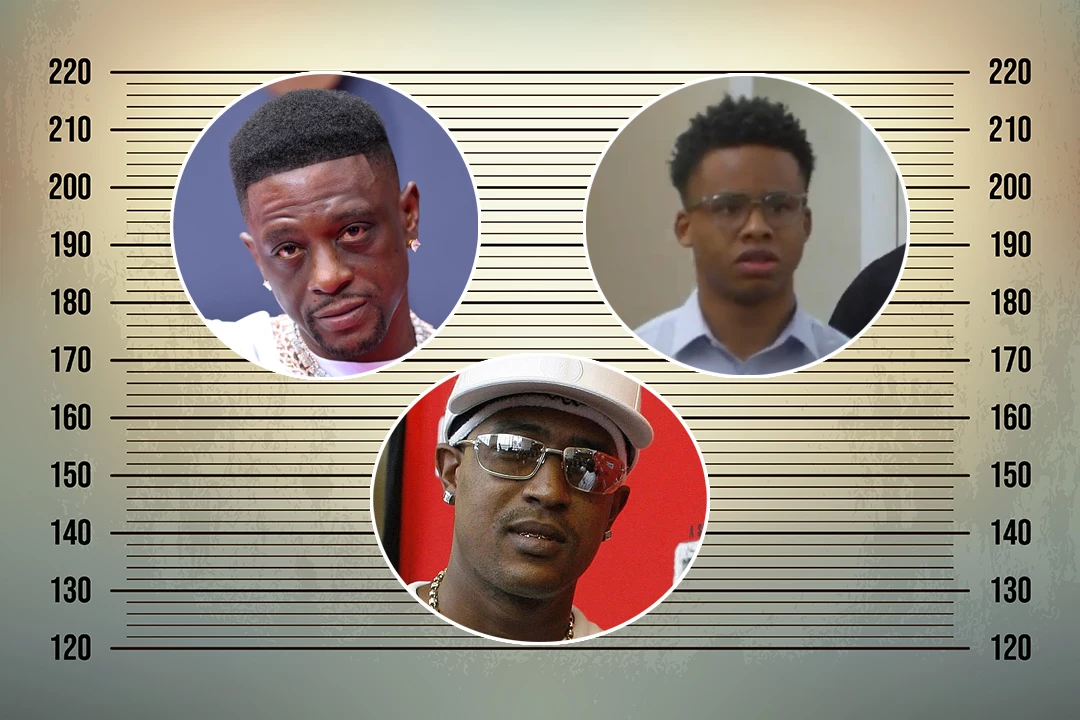
HangupsMusic.com – The intersection of hip-hop culture and the criminal justice system is a complex and often stark reality for many artists. The very narratives that fuel lyrical prowess – tales of street life, ambition, and sometimes defiance – can, for some, translate into significant legal repercussions. Over the decades, the music industry has seen a number of its brightest stars face prolonged periods of incarceration, impacting their careers, their legacies, and the landscape of hip-hop itself. These lengthy prison bids are not merely footnotes; they are significant chapters that often reveal the challenges artists face when their lived experiences collide with the law.
The allure of hip-hop, particularly its early roots, often stemmed from raw, unfiltered portrayals of life in underserved communities. This authenticity, while resonating deeply with audiences, could also mean navigating environments where illegal activities were unfortunately prevalent. For artists who transitioned from these circumstances to mainstream success, the past could prove to be a persistent shadow. The legal system, in its pursuit of justice and order, has frequently cast a wide net, sometimes ensnaring prominent figures. This phenomenon has led to a roster of musicians whose careers have been significantly punctuated by time spent behind prison walls.
One notable example of an artist whose rise was temporarily curtailed by legal troubles is JT of the acclaimed duo City Girls. As the group was gaining significant traction in 2018, JT was sentenced to a two-year prison term stemming from fraud-related charges. While a portion of her sentence was served in a halfway house, her absence undoubtedly created a void in the burgeoning career of City Girls, highlighting the precarious balance artists must maintain. Similarly, before achieving widespread recognition for his distinctive flow, rapper 42 Dugg faced a substantial period of incarceration. From 2010 to 2017, Dugg served over six years, his sentence primarily related to charges of carjacking and firearm possession, underscoring the severe consequences that can arise from such offenses.
The intricacies of the legal system, particularly statutes like the Racketeer Influenced and Corrupt Organizations Act (RICO), have also ensnared multiple hip-hop artists. The infamous arrest of Bobby Shmurda and his associate Rowdy Rebel in 2014, alongside other members of their GS9 collective, brought to light the pervasive nature of gang-related charges. Both Shmurda and Rebel, after serving significant portions of their sentences, have since been released and are navigating their returns to the music scene. A parallel narrative unfolded with Tekashi 6ix9ine, whose 2018 arrest saw him implicated in the activities of the Nine Trey Bloods gang. In a strategic move to mitigate his sentence, 6ix9ine opted to cooperate with authorities, providing testimony against numerous individuals. His eventual release was further expedited by the global COVID-19 pandemic, which led to early releases for some inmates.
The return of artists from prison often sparks a cultural phenomenon: the "first day out" song. This tradition, a testament to resilience and a declaration of a renewed presence in the music world, has been powerfully exemplified by artists like Gucci Mane. His history includes multiple incarcerations, notably a 2009 bid for violating probation, and a subsequent 2014 sentence for illegal firearm possession as a convicted felon. His eventual release was met with widespread anticipation, and his subsequent musical output often reflected on his experiences and his determination to forge a new path.
The impact of these lengthy prison sentences extends beyond the individual artist. It raises questions about systemic issues, the portrayal of street life in music, and the societal pressures that can contribute to artists’ legal entanglements. For fans, these stories are often a source of both concern and inspiration, showcasing the human element behind the music and the significant hurdles that can be overcome. The list of rappers who have served, or are currently serving, considerable time in prison is extensive, a sobering reminder of the personal costs associated with certain life choices and the unforgiving nature of the legal system.
The narratives of artists like C-Murder, Max B, and B.G., among many others, further illustrate the diverse pathways that have led to prolonged periods of incarceration within the hip-hop community. Each case presents a unique set of circumstances, from violent offenses and drug-related charges to white-collar crimes and parole violations. The sheer volume and length of these sentences underscore a recurring theme: the deep and often fraught connection between the hip-hop lifestyle, particularly its more gritty and authentic expressions, and the consequences of legal transgressions. Examining these lengthy prison bids provides a critical lens through which to understand the challenges, the resilience, and the enduring spirit of artists who have navigated some of the most severe consequences the justice system can impose.
