
 By Azzam Bilal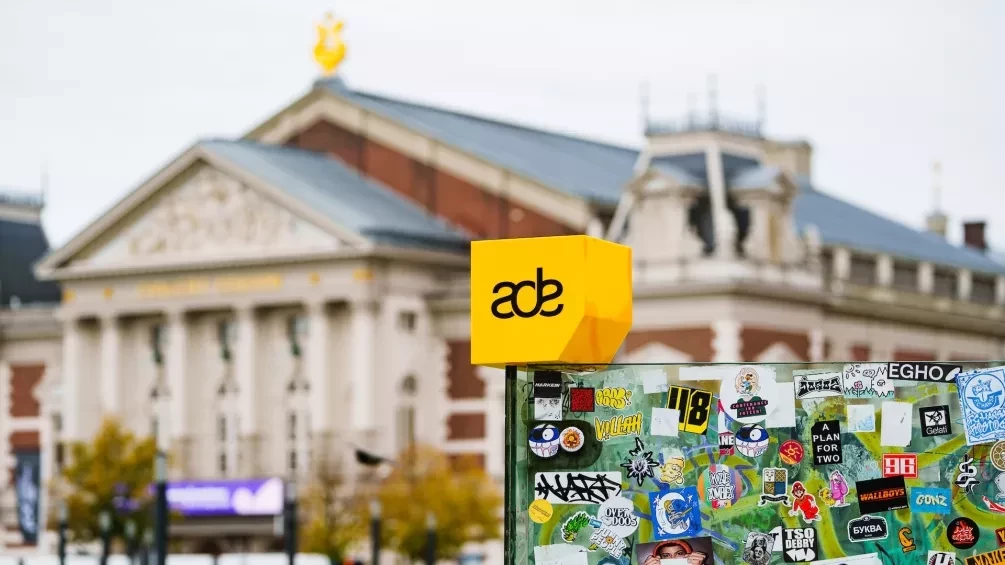
HangupsMusic.com – Amsterdam, the global epicenter of electronic music, is currently navigating a complex intersection of industry ethics, safety, and accountability as the 2024 edition of the Amsterdam Dance Event (ADE) approaches. In a decisive move that has sent ripples through the international techno community, ADE officials have formally revoked all official affiliations with hard techno promoters Komplott and Overgave. The fracture stems from the promoters’ decision to feature French DJ and producer Shlomo—born Shaun Baron-Carvais—as a headlining act for a scheduled showcase at the Panama venue on Wednesday, October 21st.
The controversy highlights a growing tension within the electronic music industry: the balance between legal due process and the social responsibility of event organizers to maintain safe environments. Shlomo, the founder of Taapion Records and a prominent figure in the high-intensity hard techno circuit, has been the subject of serious allegations that have intensified over the past year. By stripping the event of its official ADE branding, the organization has signaled that its commitment to the "values of the electronic music scene" outweighs the commercial interests of individual promoters.
The fallout began shortly after the lineup for the Panama event was publicized last week. Almost immediately, several artists originally scheduled to perform alongside Shlomo announced their withdrawal from the bill. These DJs cited a refusal to share a platform with an individual facing serious criminal allegations, reflecting a shift in the industry where performers are increasingly unwilling to remain silent on issues of interpersonal violence and misconduct. This internal pressure from the artist community likely accelerated ADE’s internal review of the affiliation.
The legal cloud hanging over Baron-Carvais is significant. In June, a formal criminal complaint was filed in a Paris court against the DJ. The charges involve alleged acts of rape, psychological violence, and death threats. While Baron-Carvais has through his legal representation categorically denied all accusations, the gravity of the claims has made him a polarizing figure in a scene that is currently undergoing a period of intense self-reflection.
The June filing was not the first time Baron-Carvais found himself at the center of such controversy. In February of this year, a broader movement within the European hard techno scene saw multiple high-profile artists accused of various forms of misconduct. This wave of allegations led to a significant restructuring of the industry’s underground power dynamics, including the eventual dissolution of Steer Management, an agency that represented several artists named in the reports. During this period, Baron-Carvais was removed from several major festival lineups as organizers sought to distance themselves from the brewing scandal.
In a public statement released via Instagram, ADE explained that the decision to cut ties with Komplott and Overgave was rooted in a fundamental misalignment of principles. The organization stated that the stance adopted by the promoters—to move forward with the booking despite the ongoing legal and social outcry—was "inherently insensitive" to ADE’s mission. The statement emphasized that ADE’s role is to nurture the electronic music community and its nightlife spaces, implying that the presence of individuals accused of sexual violence undermines the safety and inclusivity of those spaces.
Crucially, ADE’s revocation of affiliation does not legally prevent the event from occurring. Under the current Dutch regulatory framework, the promoters and the venue, Panama, retain the right to host the party as an independent entity. However, losing the "ADE Official" stamp is a significant blow. It removes the event from the official program, strips it of marketing support from the conference, and serves as a public condemnation that often leads to further artist cancellations and ticket refund requests.
In the wake of the ADE announcement, Komplott and Overgave issued a joint statement on Monday confirming that the event would ultimately be cancelled. Interestingly, the promoters attempted to justify their initial decision to book Baron-Carvais by citing "various legal documents and additional documentation" provided by the artist’s management and booking agencies. According to the promoters, these documents provided what they believed were "sufficient grounds" to proceed. This defense highlights a common friction point in the industry: talent agencies often provide vetted "proof" of an artist’s status to protect bookings, while community activists and victims’ advocates argue that such documents do not negate the lived experiences of those coming forward with allegations.
The situation has brought renewed attention to the work of METOODJS, a French-based collective of electronic music professionals, including lawyers, journalists, and psychologists. The group has become a vital resource in the fight against sexist and sexual violence within the industry. By acting as an international support and referral network, METOODJS provides a structured platform for victims who might otherwise be intimidated by the power dynamics of the music world. Their involvement in monitoring the Shlomo case and providing context to the industry has been instrumental in keeping the conversation focused on systemic change rather than isolated incidents.
The debate surrounding Shlomo and the subsequent ADE sanction occurs against the backdrop of a massive logistical undertaking. This year’s Amsterdam Dance Event is expected to host over 1,500 artists across hundreds of venues from October 21st to 25th. The sheer scale of the event—featuring global stars like Afrojack, Kerri Chandler, Eric Prydz, and HAAi—makes it the most influential gathering in the electronic music calendar. Because of this influence, the decisions made by ADE leadership are often seen as a blueprint for how other international festivals should handle allegations of misconduct.
For many industry observers, the revocation of affiliation represents a "tipping point." Historically, the music industry has been criticized for "quietly" managing scandals or allowing accused artists to continue their careers without interruption as long as they remained profitable. However, the rise of hard techno—a genre characterized by its raw energy and young, often vulnerable fan base—has necessitated a more proactive approach to safety. The "values" cited by ADE are no longer just abstract concepts; they are increasingly being codified into artist contracts and promoter agreements.
The closure of Steer Management earlier this year served as a precursor to this current moment. It demonstrated that the infrastructure supporting accused artists is no longer immune to the consequences of those allegations. When agencies fold and major conferences like ADE pull their support, the economic viability of an artist’s career becomes precarious, regardless of the legal outcome of their cases. This "social accountability" is often criticized by some as "cancel culture," but proponents argue it is a necessary corrective for an industry that has historically failed to protect its participants.
As Amsterdam prepares for the influx of hundreds of thousands of fans, the cancellation of the Panama event serves as a somber reminder of the challenges facing the scene. While the music is a source of joy and connection for many, the industry is still grappling with the shadows of its nightlife culture. The decision by ADE to distance itself from Komplott and Overgave is a clear message: the brand of the Amsterdam Dance Event is tied to the safety and integrity of the community, and that brand is not for sale to the highest-grossing promoter if it comes at the cost of those core values.
The fallout from this decision will likely influence booking strategies for the remainder of the 2024/2025 club season. Promoters are now on notice that "legal documentation" from management may not be enough to shield them from the reputational risks associated with controversial bookings. As the industry continues to evolve, the focus remains on creating a landscape where the music can thrive without being overshadowed by the systemic failures of the past. For now, the electronic music world watches closely as the legal proceedings in France continue, and as the community works to define what "accountability" truly looks like in the modern era.
