
 By Azzam Bilal
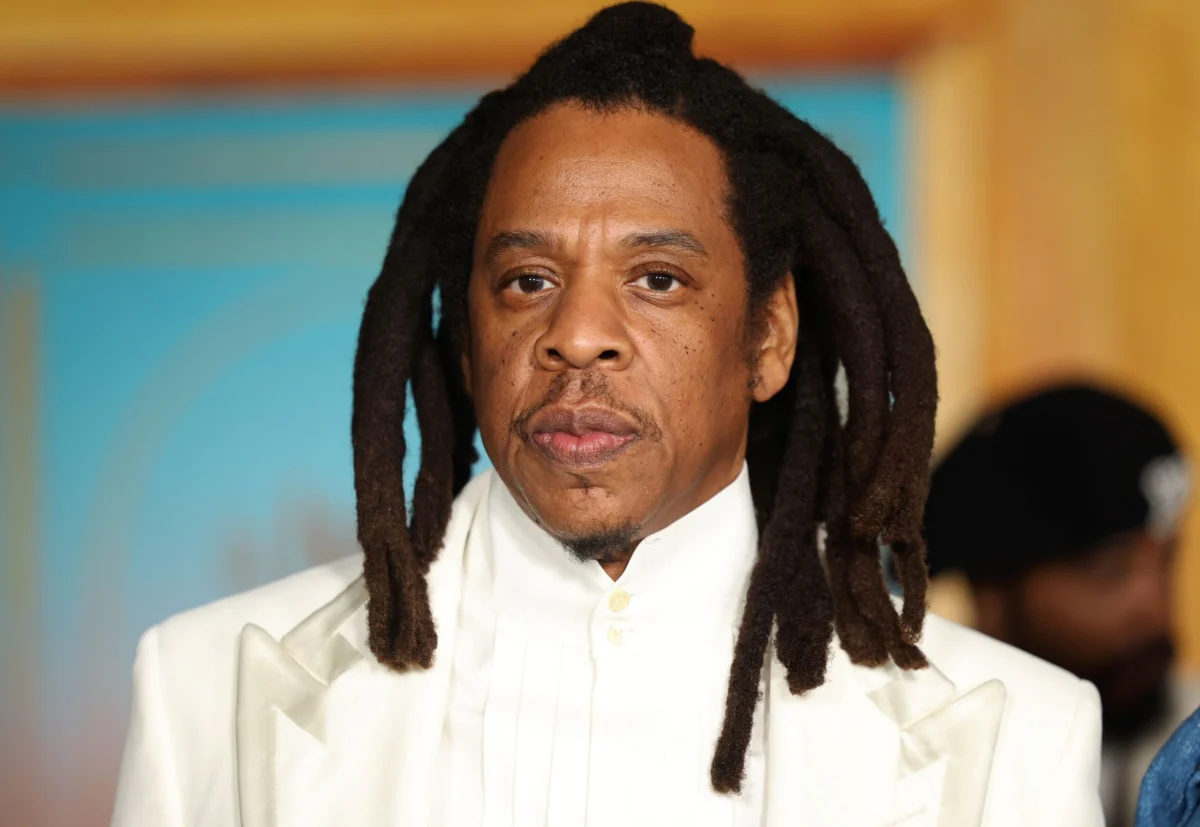
HangupsMusic.com – NEW YORK, The legal landscape surrounding hip-hop luminary Shawn “Jay-Z” Carter has shifted fundamentally following a dramatic reversal in a high-profile sexual assault case. In a development that has sent ripples through the entertainment and legal communities, the woman who previously accused the mogul of a decades-old assault has formally recanted her claims in their entirety. Through a comprehensive sworn declaration, the individual—who has been litigating under the pseudonym Jane Doe—admitted that her allegations were completely fabricated, stating unequivocally that she has never even met the artist she once accused of a heinous crime. This total retraction marks a significant turning point in a narrative that had initially threatened to tarnish the legacy of one of music’s most influential figures.
The genesis of this legal saga dates back to the latter half of 2024, a period during which the music industry was already reeling from a series of high-profile lawsuits. Jane Doe initially filed a complaint against Sean “Diddy” Combs, alleging that she had been the victim of a sexual assault during an after-party following the 2000 MTV Video Music Awards. In that original filing, the accuser claimed that Combs, alongside another unidentified male celebrity, had participated in the assault while a third unnamed star looked on. At the time, the identity of the second alleged assailant remained a mystery to the public, though speculation in the media was rampant.
By the end of 2024, the legal strategy shifted significantly. Jane Doe refiled her lawsuit, this time explicitly naming Shawn Carter as the individual who had allegedly assisted Combs in the assault. The details provided in the refiled suit were graphic and distressing, suggesting that the event took place when the accuser was only thirteen years old. From the moment these allegations were made public, legal representatives for both Carter and Combs issued vehement denials, characterizing the claims as opportunistic and entirely divorced from reality. For Carter, the accusation represented a direct assault on his character, prompting an aggressive legal defense aimed not just at dismissing the claims, but at uncovering the motivations behind them.
The momentum of the case began to stall in early 2025. In February of that year, Jane Doe took the unexpected step of filing for a voluntary dismissal of her lawsuit against Carter. Crucially, the dismissal was filed “with prejudice,” a legal designation that prevents the plaintiff from ever refiling the same claims in a court of law. While such a dismissal often signals the end of a legal battle, for Shawn Carter, it was merely the beginning of a counter-offensive. His legal team responded by initiating a lawsuit of their own, seeking damages for what they described as "willful defamation per se" and the "malicious prosecution of knowingly false allegations." This move signaled that Carter was not content to let the matter rest without a formal acknowledgment of his innocence and an investigation into how such claims reached a courtroom in the first place.
The most recent development, a detailed 11-page sworn declaration obtained by investigative journalists, provides the most definitive evidence of Carter’s exoneration to date. In this document, the woman formerly known as Jane Doe dismantled her own case piece by piece. She stated with absolute clarity that Shawn Carter never raped her, nor had he ever engaged in any form of inappropriate conduct toward her. Perhaps most damaging to the credibility of the initial lawsuit was her admission that she had never even spoken to Carter, let alone been in his presence during the events described in her previous filings.
The declaration goes beyond a simple denial of the facts; it includes a profound apology for the fallout of the false accusations. Within the filing, the woman acknowledged the "immense pain, suffering, and damage" her claims had inflicted upon Carter and his family—harms she admitted could never be fully rectified. In an effort to bolster the credibility of this recantation, the document asserts that she was not coerced or financially incentivized by Carter or his legal team to change her story. This suggests that the reversal was prompted by a realization of the legal and ethical gravity of her false testimony rather than an out-of-court settlement.
However, as Jane Doe steps out of the legal crosshairs, the focus has shifted toward her former legal counsel. Shawn Carter has officially dropped the woman as a defendant in his defamation suit, but he is steadfastly maintaining his litigation against her lead attorney, Tony Buzbee, and his eponymous law firm. The shift in the lawsuit’s target is predicated on allegations that the legal team played a proactive role in orchestrating the false claims. Reports surfaced in 2025 suggesting that the accuser had informed private investigators that she felt pressured by Buzbee to include Jay-Z in her allegations. According to these accounts, the suggestion was made that naming a figure as prominent as Carter would significantly increase the profile and potential leverage of her existing case against Sean Combs.
This aspect of the story raises serious questions about the ethics of high-stakes litigation in the celebrity sphere. Tony Buzbee, a prominent trial lawyer known for representing plaintiffs in high-profile cases against powerful entities and individuals, now finds himself at the center of a firestorm regarding professional conduct. The allegation that a lawyer might encourage a client to fabricate or "enhance" testimony to target a wealthy individual is a grave one, striking at the heart of the judicial system’s integrity. While Buzbee’s team has been reached for comment, the legal community is watching closely to see how the firm defends itself against the charge that it prioritized a high-profile win over the veracity of the claims being presented.
The broader context of this case cannot be ignored. The music industry has seen a surge in litigation related to historical misconduct, much of it centered around the "Diddy" investigations and the subsequent fallout. While many of these cases involve legitimate grievances and long-overdue accountability, the Jay-Z recantation serves as a cautionary tale regarding the potential for false narratives to be swept up in a larger movement. For Carter, the path to clearing his name involved a rigorous and expensive legal counter-suit, a luxury not afforded to everyone who might find themselves wrongly accused.
As the litigation against Buzbee continues, the industry is left to grapple with the aftermath. For Shawn Carter, the recantation is a total victory in the court of law, though the court of public opinion often operates on different timelines. The permanent nature of the internet means that the original, false headlines will likely haunt search results for years, a fact acknowledged by the accuser in her declaration. This case highlights the precarious nature of reputation in the modern era, where an allegation can travel around the world before the truth has a chance to be filed in a courthouse.
For now, the focus remains on the upcoming legal proceedings between Carter and the Buzbee firm. This next phase of the battle will likely delve into the internal communications of the legal team and the process by which Jane Doe’s initial story was vetted—or not. It serves as a reminder that while the legal system provides a platform for victims to seek justice, it also possesses mechanisms to hold those who abuse that platform accountable.
The resolution of the claims against Carter provides a rare moment of clarity in a sea of complex and often murky legal battles involving hip-hop’s elite. While the accusations against other figures in the industry continue to move through the courts, the case of Jane Doe vs. Shawn Carter stands as a closed chapter regarding the defendant’s conduct, but a wide-open inquiry into the conduct of the attorneys who brought the case to light. As the dust settles, the emphasis returns to the importance of due process and the devastating impact of falsehoods in the pursuit of litigation.
