 By Azzam Bilal
HangupsMusic.com – NEW YORK, The vibrant landscape of New York City’s autumn concert season has been dealt a significant blow as a powerful Nor’easter approaches the Eastern Seaboard, forcing the total cancellation of the 2026 New York edition of the All Things Go Festival. Originally slated to transform the historic Forest Hills Stadium into a three-day celebration of indie, pop, and alternative music, the event has been scrapped in its entirety to ensure the safety of attendees, performers, and technical staff. The decision comes as meteorologists warn of a potent weather system characterized by high-velocity winds, torrential rainfall, and the potential for dangerous coastal flooding throughout the New York metropolitan area.
The announcement, which arrived just as fans were preparing to descend upon the Queens venue for the September 25–27 weekend, was made following extensive deliberations between festival organizers, local municipal officials, and venue management at Forest Hills Stadium. In a formal statement, the festival’s leadership emphasized that the decision, while difficult, was unavoidable given the severity of the incoming storm. "Following consultation with local officials, Forest Hills Stadium, and trusted weather advisors, we have made the difficult decision to cancel All Things Go NYC," the statement read. The organizers reiterated that the "safety of our fans, the artists and local crew is our top priority," noting that the structural integrity of outdoor stages and the safety of transit to and from the venue could not be guaranteed under the forecasted conditions.
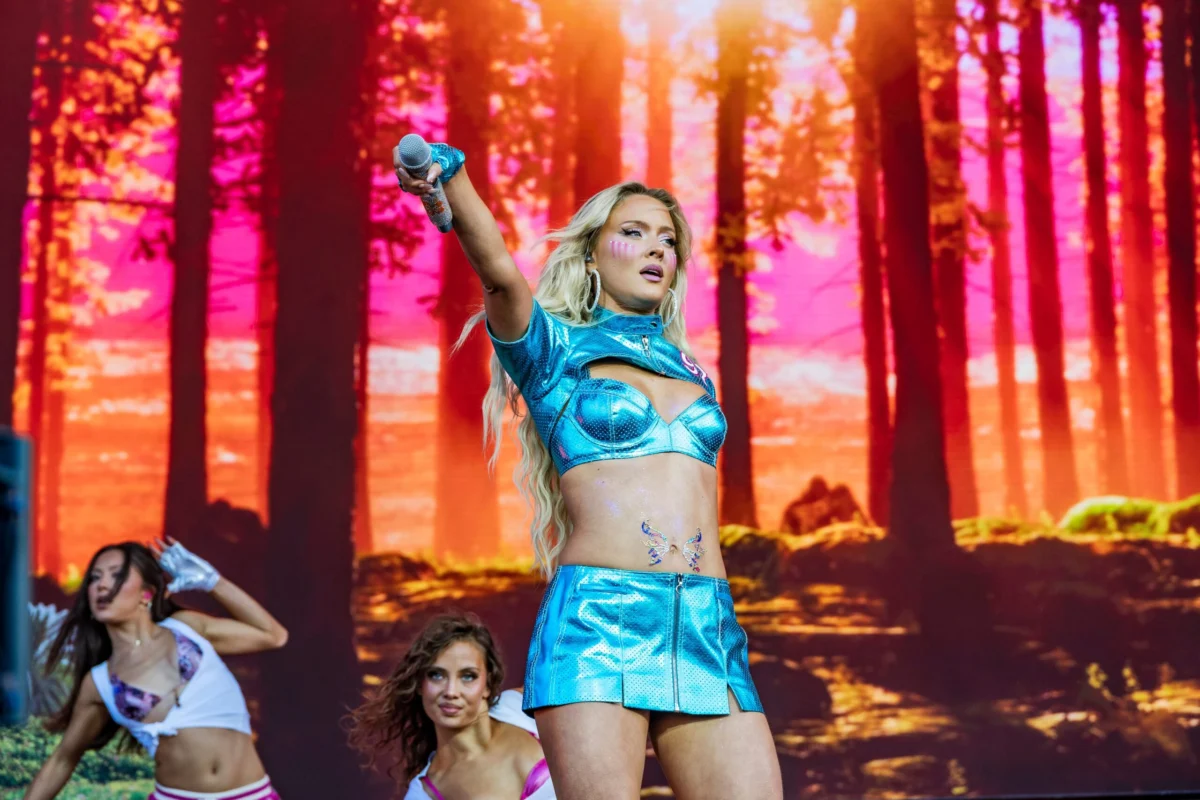
The cancellation of the New York leg is particularly poignant given the festival’s ambitious expansion and its highly anticipated 2026 lineup. All Things Go, which began as a niche event in the Washington, D.C. area, has grown into a major cultural touchstone known for its inclusive curation and focus on female and non-binary artists. The New York edition was set to feature a diverse array of talent, including headliners Zara Larsson, the Swedish pop powerhouse; British singer-songwriter Lola Young; the critically acclaimed electronic-pop trio Muna; and the ethereal, Southern-gothic stylist Ethel Cain.
The roster also boasted an impressive middle-tier of performers who have defined the contemporary indie-pop zeitgeist. Fans were eager to see the return of Carly Rae Jepsen, whose high-energy live shows have earned her a devoted global following, as well as viral sensation Rebecca Black, who has successfully rebranded herself as a hyper-pop innovator. The scheduled performances by Grace Ives, Sienna Spiro, and Cara Delevingne further underscored the festival’s commitment to a specific, curated aesthetic that blends mainstream appeal with underground credibility. For many of these artists, the festival was intended to be a highlight of their autumn touring schedules, making the sudden silence of the Forest Hills stage a significant loss for both the performers and their audiences.
While the New York festivities have been halted, the Maryland edition of All Things Go—the festival’s flagship event—is currently proceeding as planned. Taking place simultaneously at the Merriweather Post Pavilion in Columbia, Maryland, the sister event appears to be just outside the primary path of the most severe weather impacts. However, the contrast between the two sites highlights the logistical complexities of managing multi-city festivals during the increasingly volatile hurricane and Nor’easter season on the East Coast. For New York ticket holders, the blow is softened only slightly by the promise of automatic refunds. Organizers confirmed that all purchases made via credit card would be reversed without the need for fans to initiate a request, a standard but necessary move to mitigate the frustration of thousands of disappointed ticket holders.
The cancellation of All Things Go NYC is not an isolated incident; it is part of a broader "blackout" of the regional music scene this weekend. The same Nor’easter has triggered a domino effect across the tri-state area and beyond. In Brooklyn, the CBGB Festival—a revival of the legendary punk brand—has also been called off. The loss of this event is particularly felt by the local rock community, as it was intended to celebrate the grit and history of the New York underground scene. Similarly, the Global Citizen Festival, a massive philanthropic event that has become a staple of the Central Park Great Lawn, has been scrapped for its Saturday, September 26 date. Global Citizen was set to feature a high-profile reunion of Ms. Lauryn Hill and Wyclef Jean, a performance that had generated massive buzz across the city.
Further south, the Oceans Calling festival in Ocean City, Maryland, has also succumbed to the elements. Given its beachfront location, the threat of coastal flooding and storm surges made the operation of a large-scale music event there an impossibility. The simultaneous loss of these four major events represents a significant economic and cultural hit to the region. Tens of thousands of travelers who had booked hotels and flights to witness these performances are now left with empty itineraries, while the local hospitality industry—restaurants, bars, and transport services—will miss out on the traditional "festival bump" that late September usually provides.
The meteorological culprit, a classic Nor’easter, is a large-scale storm whose winds typically blow from the northeast. In the transition months between summer and autumn, these storms can be particularly fierce as they draw energy from the lingering warmth of the Atlantic Ocean while interacting with cooler air masses from the north. For outdoor venues like Forest Hills Stadium, the risks are multi-faceted. High winds pose a direct threat to "temporary structures," which include the massive stage rigs, lighting trusses, and sound towers required for modern festival production. Even if the rain were manageable, gusts exceeding 40 or 50 miles per hour can turn stage equipment into hazards. Furthermore, the stadium’s location in a residential pocket of Queens necessitates careful crowd management; flooding in local subway stations or streets would make the dispersal of 13,000 fans a logistical nightmare for the NYPD and transit authorities.
This weekend of cancellations raises broader questions about the future of the outdoor festival industry in an era of increasingly unpredictable weather patterns. In recent years, several high-profile events have been forced to evacuate or cancel due to extreme heat, lightning, or tropical storms. This trend has led to rising insurance premiums for promoters and a growing sense of trepidation among fans who travel long distances for these events. The "festival season," once confined to the stable heat of July and August, has expanded deep into the shoulder months of May and September, which are historically prone to volatile shifts in the atmosphere.
For All Things Go, the 2026 New York cancellation is a setback for its expansion plans, but the brand’s resilience is well-documented. Since its inception, the festival has prided itself on community and the "fan-first" experience. While the physical stages in Queens will remain dark this weekend, the online discourse among the festival’s community has remained supportive. Many fans have taken to social media to express their disappointment while acknowledging that the risks of an outdoor show during a Nor’easter are simply too high to ignore.
As the storm moves in, the focus shifts to the Maryland event and the hope that the weather holds for the performers scheduled at Merriweather Post Pavilion. Meanwhile, the New York music scene will have to wait for another opportunity to host this specific collection of talent. The empty seats at Forest Hills Stadium serve as a stark reminder of the power of nature over even the most meticulously planned cultural events. For now, the city’s music lovers will have to hunker down and wait for the skies to clear, looking forward to a 2027 season that will hopefully be defined by sunshine rather than storm surges. The automatic refunds will eventually hit bank accounts, and the artists will move on to their next tour stops, but the "lost weekend" of September 2026 will be remembered as the year the music stopped across the entire East Coast.
