 By admin
HangupsMusic.com – Dana Point, California, The recent performance by The Format at the Ohana Festival in Dana Point, California, offered attendees far more than a simple trip down memory lane. Nate Ruess and Sam Means, the creative forces behind the beloved indie-pop outfit, captivated their audience not only with cherished hits from the early 2000s like "Dog Problems" and "The Compromise," but also with a striking collection of new material. This fresh music, a profound departure from their earlier work, directly confronts the complex and often tumultuous social and political realities of the present day, marking a significant evolution for the duo.
Earlier this year, the band unveiled Boycott Heaven, their first full-length album in two decades. This release stands in stark contrast to their previous acclaimed works, most notably 2006’s Dog Problems. That seminal record, a shimmering mosaic of power-pop brilliance, had masterfully navigated the intricate landscapes of heartbreak and romantic dysfunction, cementing its place as a cherished artifact for an entire generation of millennials and finding an unexpected, vibrant new audience among Gen Z fans. The world, and indeed their audience, had transformed dramatically in the twenty years since Dog Problems first resonated, and The Format, it seems, has transformed with it.
Following The Format’s announcement of an indefinite hiatus in 2008, both Means and Ruess embarked on distinct, yet equally impactful, creative journeys. Sam Means continued to cultivate his musical voice, culminating in the release of his debut solo album, 10 Songs. Beyond his solo artistic endeavors, Means demonstrated a keen entrepreneurial spirit by co-founding Hello Merch with his wife, Anita. This venture quickly grew into a highly respected merchandise platform, catering to a diverse roster of prominent artists, from the legendary Elvis Costello to the influential Sleater-Kinney, showcasing Means’s deep roots and connections within the music industry.
Meanwhile, Nate Ruess embarked on a new chapter that would catapult him to global stardom. He joined forces with Jack Antonoff, then a rising star from the New Jersey indie rock band Steel Train, and Andrew Dost, formerly of Anathallo, to form fun. Their breakout hit, "We Are Young," released in 2012, became an anthemic sensation, topping charts worldwide and earning the band multiple Grammy Awards. Yet, even at the apex of this commercial success, Ruess felt a pull towards new artistic explorations. Three years later, he unveiled his solo album, Grand Romantic, a powerful showcase of his theatrical vocal range and songwriting prowess. After a subsequent tour, Ruess made a conscious decision to step away from the relentless demands of the music industry. While he occasionally lent his formidable songwriting talents to other artists, contributing to tracks for country superstar Keith Urban and pop icon Pink, his primary focus shifted towards his burgeoning family life and a quieter, more introspective engagement with music, notably picking up the guitar as a personal pursuit.
The question of why Ruess and Means chose to part ways at what appeared to be the height of their collective fame has long lingered in the minds of their dedicated fanbase. Means offers a straightforward, yet deeply resonant, explanation: "A thing that is really important to us in this band is we don’t do things unless we really want to. It has to feel right, and maybe at that time it just wasn’t." This sentiment underscores a foundational principle of The Format – an unwavering commitment to authenticity over commercial pressure.
Ruess elaborates on his own motivations for the hiatus and subsequent return, revealing a profound shift in perspective. "I stopped making music and started paying attention to the world," he reflects. "When you have kids, you start to look less at yourself and start looking at things around you. All I can think about is just all the bad stuff happening now, and so I just started to write about it." This personal transformation, driven by fatherhood and a heightened awareness of global issues, laid the groundwork for the band’s new, politically charged direction.
The initial spark for a reunion ignited in 2020, with Ruess and Means expressing a mutual desire to perform a series of reunion shows. "We came back at a time where we were both really kind of were itching to do it," Ruess recalls. However, these plans were abruptly derailed by the onset of the global COVID-19 pandemic, which plunged the world into lockdown. Despite this setback, Means harbored a strong conviction about creating new music, a sentiment not immediately shared by Ruess.
"We took a few years off, and sometime in that two years in between, I was like, ‘Huh, I’m starting to write music. It’s weird,’" Ruess recounts, detailing the unexpected resurgence of his creative impulse. "So I called up Sam, and we got it back together. And now we’re here, and it’s weird." This "weirdness" encapsulates the unpredictable journey that brought them back together, armed with a new sound and a newly urgent message, diverging sharply from their past narratives of youthful angst and romance.
The new compositions found on Boycott Heaven reveal a Nate Ruess whose pen is now pointedly aimed at the pressing geopolitical and humanitarian crises of our time. He directly addresses the current administration’s contentious immigration policies and the tactics that have caused profound upheaval in communities across the U.S. Furthermore, his lyrics unflinchingly confront the dire humanitarian situation unfolding in Gaza, where Palestinians face widespread food insecurity, mass displacement, and the catastrophic breakdown of essential infrastructure, all while the death toll tragically mounts around them.
Ruess singles out "Leave It Alone (Till the Morning)" as a track born directly from this heightened awareness. He reveals it was written merely a week after the devastating October 7 Hamas attack and the subsequent launch of Israel’s war in Gaza. The song’s chorus delivers a poignant, heart-wrenching plea: "All the kids in Gaza are dying to go home/The problem is they got nowhere to go." In a particularly stark verse, Ruess declares, "I’m not proud to be American no more," a powerful statement reflecting his disillusionment with perceived national failings.
"Living an affluent life, you’re surrounded by a lot of people who aren’t as aware as they should be of how awful things are," Ruess observes, articulating the moral imperative behind his songwriting. "It’s hard to do a string of days that don’t go by where I don’t break down, so it felt like that was something that I needed to do, and I felt it was very important to put on the album." Means echoes this sentiment, connecting their artistic choices to their roles as parents: "We have kids, and how can they look up to us if we’re not being authentic with ourselves and honest with ourselves? They are the hope."
Boycott Heaven explodes into being with "Holy Roller," a searing anthem that showcases The Format’s signature ability to craft powerful, cathartic rock. The album continues its critical gaze on the conflict in Gaza with "Human Nature." Beyond the album’s tracks, the band released "The Bar is Set So Low," a song that didn’t make the final cut but nonetheless takes aim at the U.S. government’s deeply concerning treatment of immigrants. Demonstrating their commitment beyond just lyrical protest, all proceeds from this song, available on Bandcamp, are directed towards vital organizations: the Women’s Foundation of Minnesota’s Immigrant Rapid Response Fund, the Immigrant Defense Network, Advocates for Immigrant Rights, and Latino Memphis, providing tangible support to those most affected.
As The Format’s dedication to activism deepened, the duo recognized the need to transcend mere musical commentary and engage in direct action. "There comes a point that when things get so bad, you really have to start pushing forward and taking some kind of action," Means asserts.
This conviction led to the launch of "Saturdays in the Park" in January, a unique and impactful initiative. This roaming event features The Format performing free concerts in public parks, transforming these spaces into hubs for community engagement. Local organizations are invited to set up booths, offering attendees the opportunity to learn about critical issues and connect with resources. Means describes the atmosphere as a family-friendly picnic, where people can enjoy music while simultaneously "getting informed by what’s happening and getting an opportunity to see things that normally are swept under the rug or hidden behind a curtain." The band harbors a hopeful vision that this model will inspire other artists to establish similar grassroots networks, fostering a broader movement of artist-led community activism. Upcoming "Saturdays in the Park" events include stops at Malcolm X Park in Washington, D.C., and Prospect Park in Brooklyn this October, where they will be joined by fellow musicians Phantom Planet.
Looking to the future, Ruess expresses profound admiration for other artists who have courageously spoken out against the war in Gaza. He specifically credits Macklemore, who faced significant professional repercussions, including being dropped from Ed Sheeran’s stadium tour, after publicly voicing his support for Palestinians onstage. "Public opinion has changed, and it’s because of the Macklemores of the world that have made that," Ruess states, highlighting the crucial role artists play in shaping public discourse and consciousness, often at personal cost.
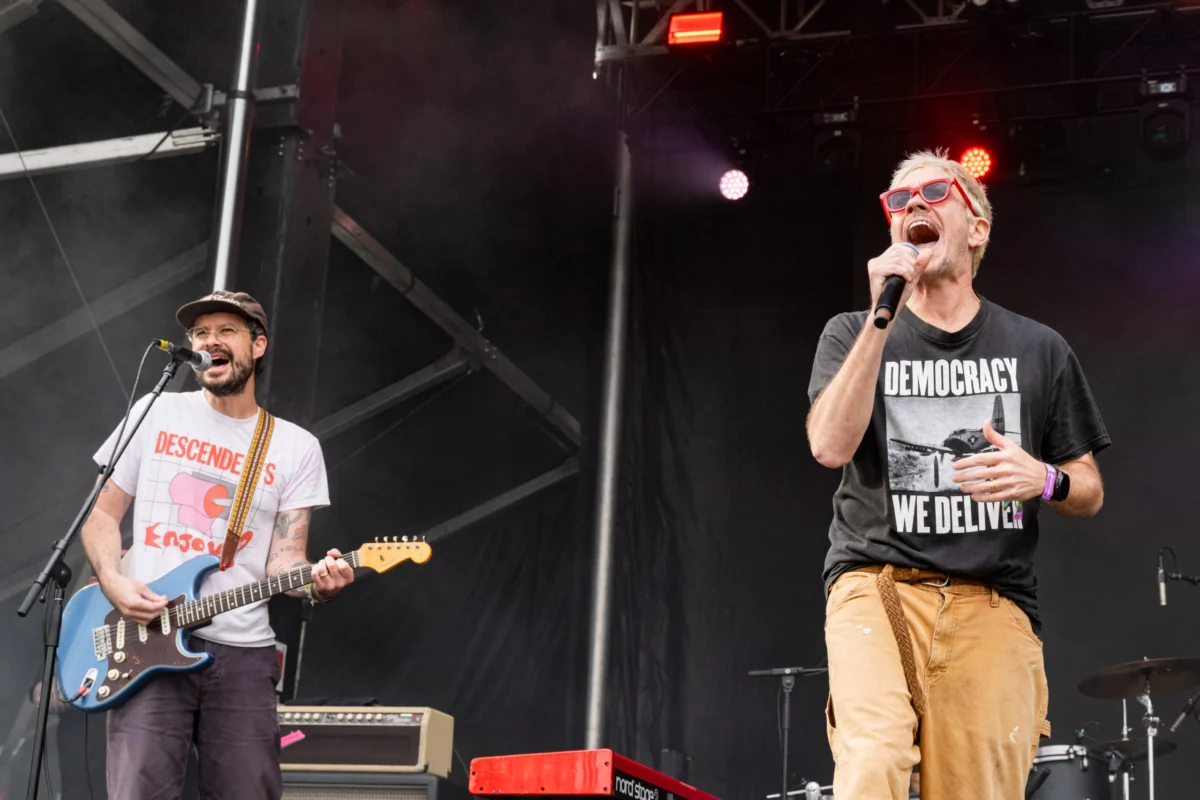
Later that afternoon, as The Format commanded the stage at Ohana, the crowd enthusiastically sang along to nostalgic favorites like "Tie the Rope," "The First Single," and "If Work Permits." The atmosphere was electric, a testament to the enduring power of their earlier work. Then, Ruess introduced "Leave It Alone," and as he delivered the song’s powerful outro, his voice soared with an undeniable intensity, roaring the final line: "It’s probably best we just leave it alone till the morning." This live rendition, delivered with a fierce determination, offered a stark contrast to the more wistful, almost reluctant, soaring quality of the album recording. It was a moment that underscored The Format’s evolution: a band no longer content to merely reflect personal struggles, but fiercely committed to amplifying the urgent cries of a world in turmoil, their voices as determined and resonant as ever.
