
 By admin
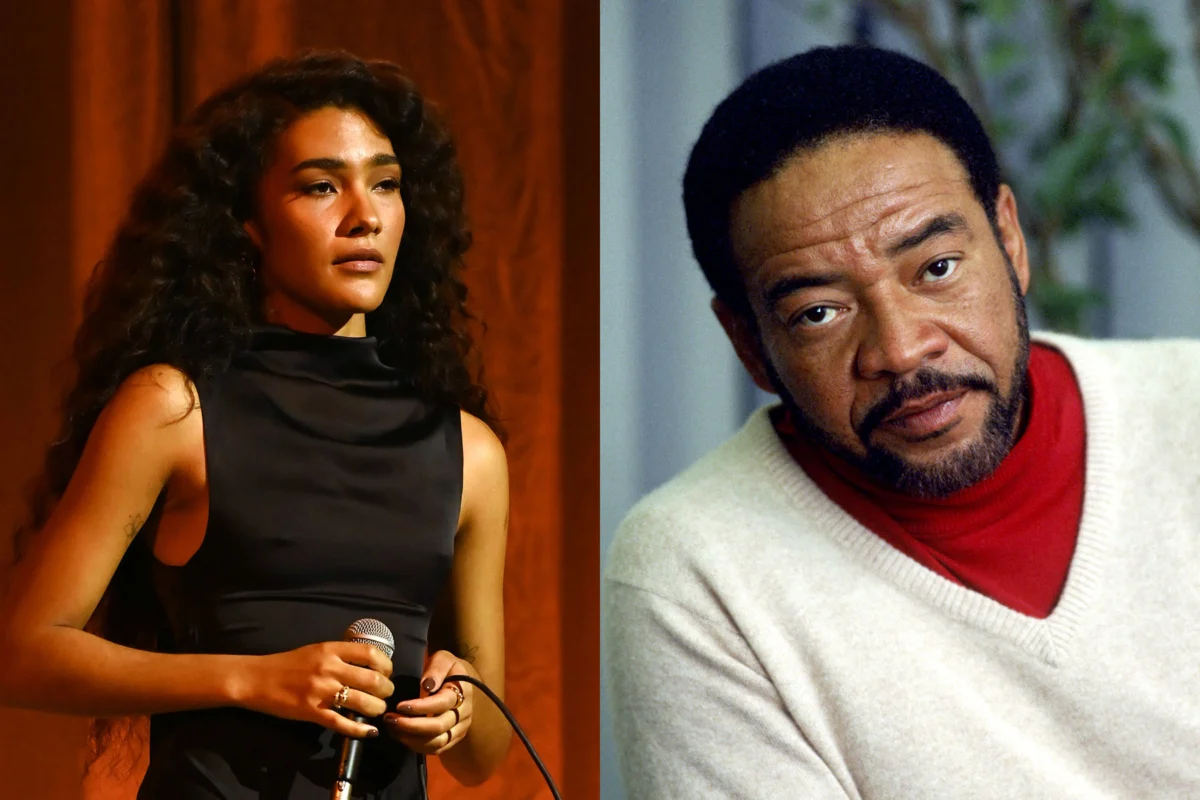
HangupsMusic.com – Los Angeles, A significant legal challenge has emerged in the music industry, with the estate of legendary soul artist Bill Withers alleging that rising British star Olivia Dean’s track "I’ve Seen It" infringes upon the copyright of his timeless 1981 hit, "Just the Two of Us." The lawsuit, filed by Mattie Music Group – the publisher overseeing Withers’ revered catalog – targets Dean’s record label, Capitol Records, its parent company Universal Music Group, and her publishing entities, asserting "obvious and inescapable" similarities between the two compositions. This high-profile case casts a spotlight on the intricate and often contentious realm of musical intellectual property, particularly concerning melodic originality and the fine line between inspiration and appropriation.
The complaint, lodged in federal court in Los Angeles, contends that "I’ve Seen It," a standout track from Dean’s critically acclaimed 2023 album, The Art of Loving, directly copies a distinctive melody from Withers’ Grammy-winning R&B classic. Legal documents obtained by HangupsMusic.com reveal that a musicologist, retained by the plaintiff, conducted an in-depth analysis of both songs, concluding that they exhibit "substantial similarities" and repeated instances of copying a "distinctively protectable melody." The filing emphasizes the striking nature of these resemblances, stating, "The number, character, and arrangement of the shared musical features are so striking that they support an inference that the similarities did not result from coincidence, independent creation, or reliance on common musical elements." This assertion points to a deliberate or, at the very least, subconscious act of replication, bypassing the legal standard of independent creation.
Bill Withers’ "Just the Two of Us," co-written with Ralph MacDonald and William Salter and famously performed with Grover Washington Jr., stands as an iconic pillar of soul and R&B. Its smooth, intricate melody, sophisticated chord progressions, and enduring romantic lyricism have cemented its place in music history, earning it a Grammy Award for Best R&B Song in 1982. The song’s distinct instrumental hook and vocal phrasing are instantly recognizable, making any alleged interpolation or direct lift a matter of serious contention for its rights holders. For Mattie Music Group, protecting the integrity and commercial value of such a seminal work is paramount, not only for the Withers estate but also for the broader principle of artist compensation and intellectual property rights.
Olivia Dean, a vibrant voice in contemporary British soul and jazz, has rapidly ascended to prominence, captivating audiences with her soulful vocals, relatable songwriting, and charismatic stage presence. The Art of Loving, her sophomore effort, was widely lauded upon its release, spawning popular singles like "Man I Need" and "So Easy (To Fall in Love)" and solidifying her status as a breakout artist. Dean’s trajectory has been marked by critical adoration and significant industry accolades, including a prestigious Best New Artist award at a recent Grammy Awards ceremony, underscoring her burgeoning influence and commercial appeal. The lawsuit, therefore, introduces an unexpected and potentially disruptive element into what has been a celebratory period for the young artist.
It is crucial to note the specific targets of this lawsuit. While Olivia Dean is at the center of the controversy, the complaint primarily names her record label, Capitol Records, Universal Music Group (as Capitol’s parent), and Dean’s publishing companies as defendants. Notably, the suit does not seek direct damages from Dean herself or her co-writers on "I’ve Seen It," Bastian Langebaek and Max Wolfgang. This strategic decision often reflects a focus on the entities responsible for the commercial exploitation and distribution of the music, which possess the deeper pockets and direct control over licensing and royalties. It also implicitly acknowledges that artists, while creating the content, often operate within a framework managed by their labels and publishers, who bear ultimate responsibility for copyright clearance.
Mattie Music Group asserts that it first contacted the defendants regarding the alleged infringement on August 17, prior to initiating legal proceedings. Despite this notification, the plaintiff claims that the defendants continued with the song’s widespread distribution, licensing, and commercial exploitation without any amendment to credit or cessation of alleged infringement. This alleged continuation, post-notification, could factor significantly into the determination of damages, potentially elevating them to include punitive measures if willful infringement is proven. The plaintiff is seeking unspecified damages, the exact sum of which would be determined at trial, alongside a permanent injunction preventing further unauthorized use of the disputed melody.
Music copyright infringement cases have become a recurring feature in the legal landscape, often involving extensive forensic musicology and fierce debates over originality. Landmark cases, such as the "Blurred Lines" verdict concerning Marvin Gaye’s "Got to Give It Up" and the more recent legal battles surrounding Ed Sheeran’s "Thinking Out Loud" and "Shape of You," illustrate the complexities of proving "substantial similarity." These cases have underscored the notion that while common musical elements exist, the unique combination and arrangement of notes, rhythms, and harmonies can constitute a "protectable expression." The "distinctively protectable melody" cited in the Withers lawsuit suggests the plaintiff believes the copied element is unique enough to warrant legal protection, going beyond mere stylistic influence or a coincidental use of a common chord progression.
The role of a musicologist in these disputes is indispensable. These expert witnesses analyze various musical parameters – melody, harmony, rhythm, tempo, instrumentation, and form – to identify and quantify similarities between two pieces. Their findings often form the bedrock of a plaintiff’s argument, providing objective, technical evidence to support claims of copying. The lawsuit’s reliance on a musicologist’s report indicates a robust preliminary assessment that convinced Mattie Music Group to pursue legal action, suggesting the similarities are not superficial but deeply embedded in the melodic structure.
For Olivia Dean, regardless of the outcome, the lawsuit introduces an unwelcome distraction and could cast a shadow over her burgeoning career. While not directly named for damages, the association with a copyright infringement claim, particularly one involving an iconic artist like Bill Withers, can impact an artist’s public image and future collaborations. Labels and publishers, on the other hand, face significant financial exposure, not only in potential damages but also in legal fees and the cost of potentially recalling or re-crediting existing works. The case serves as a stark reminder to all stakeholders in the music industry of the critical importance of rigorous clearance processes and careful musical analysis during song creation and release.
The path forward for this lawsuit could involve various stages, from initial discovery and motions to dismiss, through potential mediation and settlement discussions, and ultimately, if no agreement is reached, a full jury trial. Each stage presents opportunities for both sides to present their arguments and evidence. A settlement, often preferred to avoid the unpredictable nature and substantial costs of a trial, could involve financial compensation, a percentage of future royalties, or even a retroactive songwriting credit for the Withers estate. Conversely, a trial would delve deep into musical theory and legal precedent, with expert witnesses from both sides presenting competing analyses of the two songs.
As the music industry continues to grapple with the nuances of originality in an era of digital distribution and constant creative cross-pollination, cases like this one serve as crucial benchmarks. They not only define the boundaries of musical copyright but also shape how artists create, how labels operate, and how the legacies of musical giants are protected. The outcome of Mattie Music Group’s lawsuit against Olivia Dean’s entities will undoubtedly be closely watched, potentially setting a new precedent for how melodic similarities are adjudicated and how the unique spirit of classic compositions is preserved for future generations. For now, the echoes of "Just the Two of Us" resonate through the legal corridors, challenging the harmony of "I’ve Seen It" and prompting a deeper conversation about the genesis of musical creativity.
