
 By admin
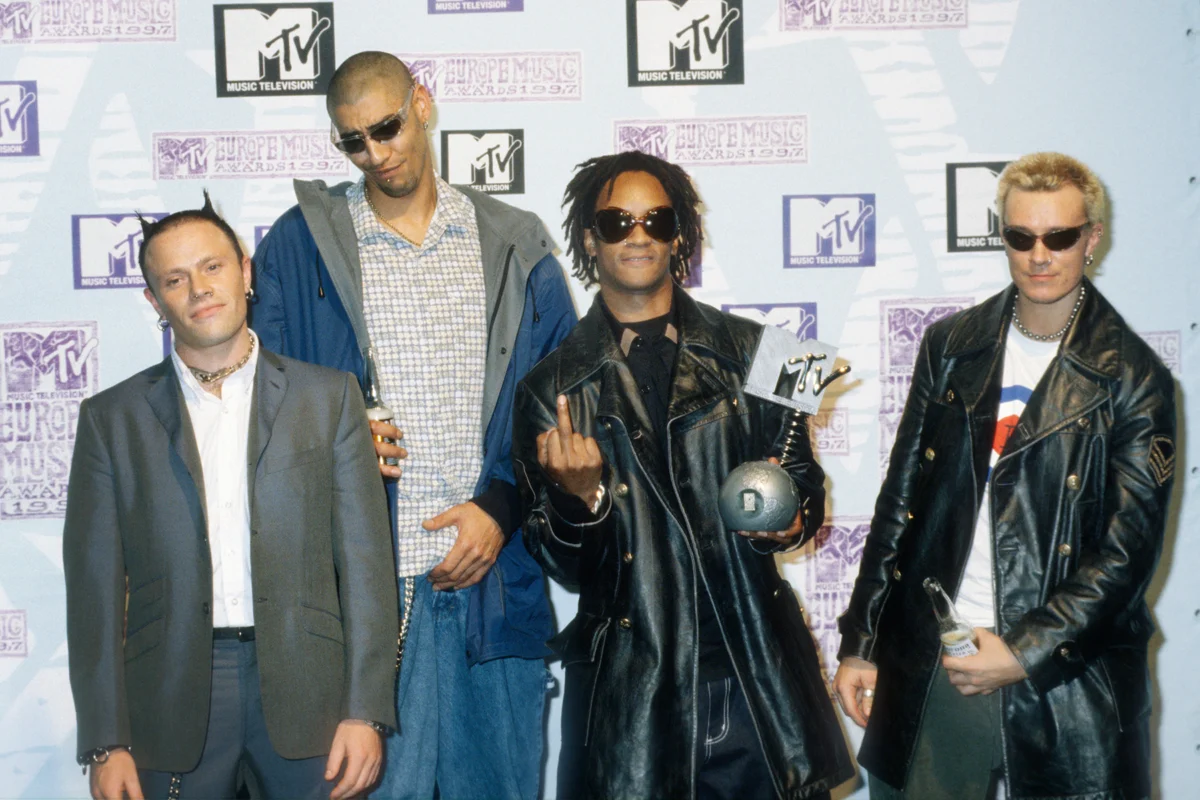
HangupsMusic.com – As the mid-1990s waned, the American music landscape found itself in a curious state of flux. The raw, visceral energy of grunge had largely dissipated, leaving a vacuum at the heart of alternative rock. What remained was a genre searching for its next definitive voice, struggling to maintain its cultural and commercial foothold against the burgeoning forces of pop and hip-hop. It was into this fertile, uncertain ground that a seismic shift occurred, heralded by an unlikely contingent from the United Kingdom: The Prodigy, a band that didn’t just borrow from rock, but violently fused it with the pulsating rhythms of electronic dance music, creating a fleeting yet unforgettable moment of "almost-pop stardom" on American shores.
The year 1997 stands as a pivotal juncture, a crossroads where the established order of rock was challenged by an abrasive, technologically driven sound. The aftermath of grunge’s explosive rise and eventual decline had left alternative radio stations and MTV playlists hungry for something new, something that could inject fresh adrenaline without entirely abandoning the genre’s rebellious spirit. Bands like Sublime offered sun-drenched ska-punk, while Smashing Pumpkins delved into ambitious, sprawling soundscapes. But none possessed the sheer, unadulterated shockwave that came with the arrival of Big Beat, a loosely defined, hard-hitting electronic subgenre born in the UK’s rave culture. Big Beat, with its muscular breakbeats, sampled riffs, and genre-agnostic swagger, presented itself as a viable, albeit controversial, pathway forward.
At the epicenter of this sonic revolution was The Prodigy. Not just another dance act, but a quartet of rave-era survivors who had been honing their craft for years, evolving from the underground acid house scene into something far more formidable. Liam Howlett, the group’s enigmatic mastermind, was the architect of their sound, weaving dazzling production with explosive, often brutal, beats. Frontmen Keith Flint and Maxim Reality provided the confrontational vocals and incendiary stage presence, while Leeroy Thornhill added dynamic energy with his distinctive dance moves. Together, they possessed a level of star power and anarchic charisma previously unseen in the electronic music scene, a dangerous allure that transcended the DJ booth and demanded to be seen on the biggest stages.
Their journey began in the early 90s, with albums like Experience (1992) and Music for the Jilted Generation (1994) establishing them as pioneers of breakbeat hardcore and rave in the UK. While these albums garnered significant critical acclaim and a devoted following across the Atlantic, their reach into the mainstream American consciousness was limited. Tracks like "Charly" and "Voodoo People" were cult favorites, but they hadn’t yet cracked the code of U.S. rock radio or the pervasive influence of MTV. This changed dramatically with the release of their third studio album, The Fat of the Land, in June 1997.
The Fat of the Land was not just an album; it was an assault. It synthesized years of electronic experimentation with a raw, punk-rock sensibility, delivering a collection of tracks that were both meticulously crafted and utterly unhinged. Liam Howlett’s production was a masterclass in sonic aggression, layering distorted synths, pulverizing drums, and often unsettling samples into a cohesive, overwhelming whole. The album’s arrival coincided perfectly with alternative rock’s identity crisis, offering a visceral, high-octane alternative to the brooding introspection and polished pop-punk that often filled the airwaves.
The album’s vanguard was the single "Firestarter." This track was a revelation, a blistering anthem that immediately seized attention. Its distorted, looping synth riff, coupled with Liam Howlett’s signature heavy beats, provided an irresistible sonic hook. But it was Keith Flint, with his newly adopted punk aesthetic – spiked hair, black eyeliner, and a snarl that could curdle milk – who transformed the song into a cultural phenomenon. The accompanying music video, a dark, claustrophobic visual featuring Flint maniacally dancing and leering in an abandoned subway tunnel, became an instant staple on MTV. It was shocking, captivating, and utterly unforgettable, transforming The Prodigy from an underground electronic act into immediate music video stars. "Firestarter" wasn’t just a hit; it was a statement, a violent declaration that electronic music could be as potent, as rebellious, and as commercially viable as any rock band.
What made The Prodigy’s breakthrough particularly intriguing was the dynamic within the band itself. Liam Howlett, the musical genius behind the entire operation, remained largely behind his colossal banks of synthesizers and samplers during live performances, a shadowy figure orchestrating the chaos. He was, in many ways, the most important member, the creative force driving their sound, yet also the least visible. This challenged traditional notions of rock stardom, where the frontman typically commanded all attention. Instead, The Prodigy offered a collective of compelling characters, with Flint and Maxim Reality front and center, embodying the raw energy of Howlett’s compositions.
As "Firestarter" continued its reign, The Prodigy unleashed another potent weapon: "Breathe." This track, featuring both Keith Flint and Maxim Reality on vocals, carried a similar aggressive energy but with an even more pronounced hip-hop influence in its rhythmic structure. "Breathe" proved that "Firestarter" was no fluke, solidifying their position on both sides of the Atlantic. Its equally captivating video, a shadowy, claustrophobic affair featuring the band members in a decaying mansion, further cemented their image as dark, enigmatic provocateurs. Many argued that "Breathe," with its intricate vocal interplay and relentless drive, was an even stronger track than its predecessor, demonstrating the depth of The Fat of the Land‘s power.
However, their meteoric rise was not without significant controversy. The release of "Smack My Bitch Up" and its accompanying video ignited a firestorm of debate. The track’s title and its explicit lyrical sample, combined with a first-person perspective video depicting a night of debauchery, violence, and drug use culminating in a shocking twist, led to widespread outrage and calls for censorship. MTV famously aired a censored version of the video, and the song faced boycotts and protests from women’s rights groups. This controversy highlighted the band’s confrontational ethos but also raised pressing questions about artistic freedom, misogyny, and the limits of shock value in mainstream media. While some defended it as a commentary on hedonism and a subversion of expectations, it undeniably complicated The Prodigy’s image and may have inadvertently limited their broader pop appeal.
The Prodigy’s live shows during this period were legendary. They were not merely electronic acts playing tracks; they were electrifying, theatrical spectacles that blurred the lines between rave, punk, and rock concert. Liam Howlett, dwarfed by his gear, conjured sonic storms, while Flint and Maxim stalked the stage, their raw energy inciting frenzied mosh pits. This ability to translate complex electronic productions into a visceral, communal experience was crucial to their crossover success, appealing to rock audiences accustomed to raw, live performances. Rock critics, initially skeptical of electronic music, were quickly won over, some even prematurely declaring The Prodigy the "future of rock."
Despite their undeniable impact and a brief flirtation with mainstream pop stardom, The Prodigy’s intense American moment was remarkably brief. Both the band’s widespread commercial presence and the broader Big Beat phenomenon seemed to dissipate almost as quickly as they appeared. Several factors likely contributed to this. The sheer aggression and confrontational nature of their music, while initially captivating, proved difficult to sustain within the confines of mainstream pop radio. The controversy surrounding "Smack My Bitch Up" likely alienated a significant portion of the potential audience. Furthermore, the very niche appeal of Big Beat, while providing a jolt of energy, may have lacked the broad, accessible melodies or consistent lyrical themes necessary for long-term commercial dominance in the U.S. market. MTV, in its eagerness to find the next big thing, might have overestimated the genre’s longevity and The Prodigy’s ability to consistently provide "appropriate runway model music."
Nevertheless, The Prodigy’s 1997 breakthrough remains a fascinating and indelible chapter in music history. They shattered preconceived notions of what electronic music could be, proving that it could be as aggressive, as rebellious, and as impactful as any rock band. Their influence resonated through subsequent genres, particularly nu-metal, which often incorporated electronic elements and heavy beats. Though their moment as "almost-pop stars" in America was fleeting, their legacy as pioneers who irrevocably blended the raw power of rock with the relentless pulse of electronic music endures, forever etched into the annals of 90s cultural upheaval.
For those eager to delve deeper into this captivating period, the "Greatest Pop Stars" podcast is currently running its "Vintage Almost-Pop Stardom" series throughout October, featuring in-depth discussions on artists who brushed against mainstream success, including The Prodigy’s unforgettable 1997.
