
 By admin
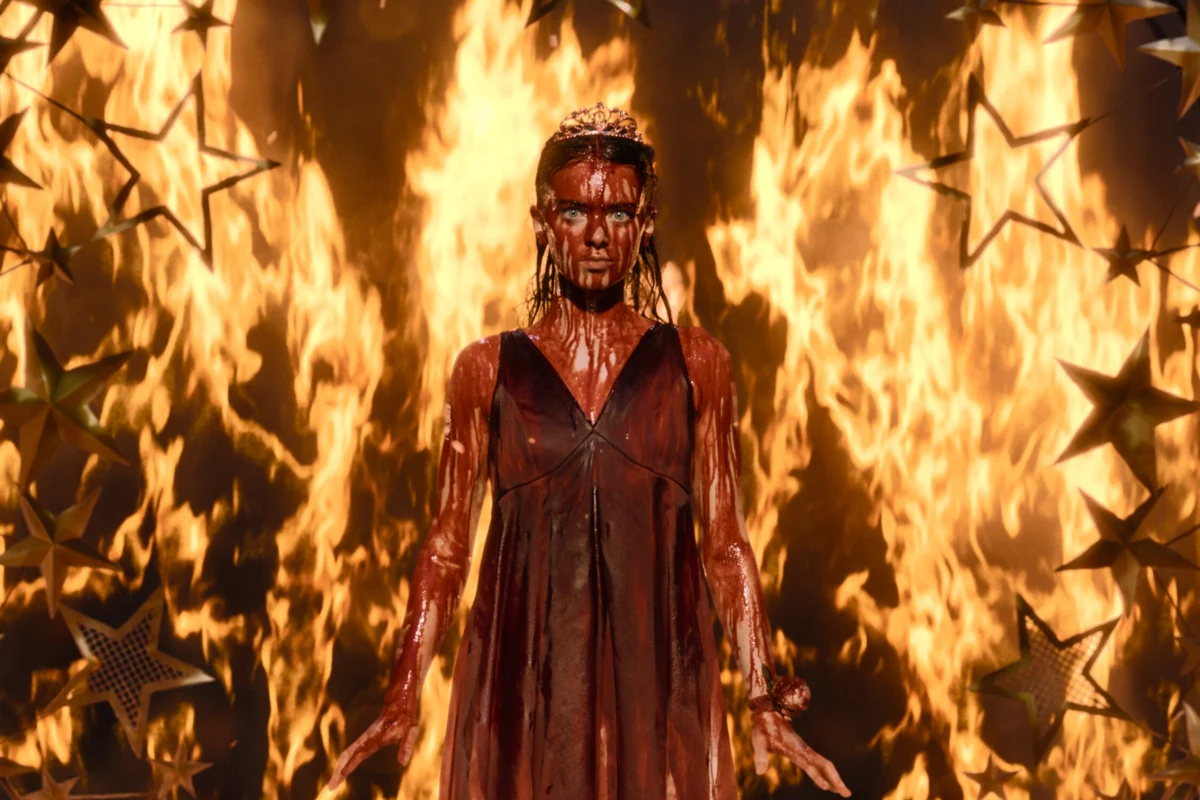
HangupsMusic.com – The indelible image of Sissy Spacek, drenched in pig’s blood, eyes ablaze with telekinetic fury, remains etched into the collective consciousness of horror cinema. This iconic moment from Brian De Palma’s 1976 adaptation of Stephen King’s debut novel, Carrie, is arguably one of the most recognized scenes in the genre’s history, synonymous with the film itself (perhaps only rivaled by its unforgettable final jump scare). Its profound impact not only launched Stephen King’s legendary literary career but also elevated De Palma from a cult figure to a major Hollywood director and solidified Sissy Spacek’s status as a formidable talent, earning her an Academy Award nomination. The film’s enduring influence has spawned countless imitations, parodies, a poorly received sequel, and two subsequent remakes, each attempting to recapture the original’s raw power. For acclaimed writer and director Mike Flanagan, a self-professed Stephen King devotee, both the novel and the 1976 film are nothing short of sacred texts.
It was precisely this reverence that initially led Flanagan to dismiss Amazon’s proposal for a limited series based on the tragic tale of Carrie White. His immediate reaction was a resounding "Dear lord, no!" – a sentiment shared by many purists who questioned the necessity of revisiting such a foundational work. Yet, as is often the case with truly compelling ideas, the concept began to gnaw at him. The thought of a new Carrie wouldn’t leave his mind, especially as his eldest son prepared to navigate the modern high school landscape. This contemporary context, rife with cyberbullying, social media pressures, and the unsettling reality of active shooter drills, presented a stark contrast to the high school experience King wrote about in the 1970s or even Flanagan’s own in the 1990s. The question evolved from "Why do Carrie again?" to "Is there an opportunity to craft a different Carrie, one that amplifies King’s original themes with even sharper teeth for a new generation?"
This shift in perspective ignited Flanagan’s excitement, leading him to pitch a "pretty big swing" to Amazon. His eight-episode take, which premiered on the streaming service on October 7, maintains the core narrative framework: a shy, isolated young woman, burdened by supernatural abilities and an oppressive mother, endures the daily torment of high school life. The notorious pig’s blood incident remains, leading inevitably to a cataclysmic act of retribution. However, Flanagan’s iteration consciously updates these elements for the 2026 audience. His Carrie White, portrayed by Summer H. Howell, faces the amplified cruelty of fake Instagram accounts and viral, humiliating memes. Samantha Sloyan, a frequent collaborator in Flanagan’s projects, embodies a Margaret White who is not only a religious zealot but also a fervent "parents’ rights" advocate, reflecting contemporary social anxieties. Furthermore, the novel’s subtle allusions to a historical psychic sisterhood are now woven into a significant subplot, expanding the universe beyond Carrie’s immediate tragedy. As Flanagan explains, "Steve’s story is driving toward a grave. Our story is driving toward an open road into a bigger world."
Flanagan is acutely aware that such deviations from a beloved narrative might draw criticism from staunch purists. Speaking extensively over Zoom in the days leading up to Halloween, he articulated his rationale for the reimagining, emphasizing Carrie’s enduring relevance and its capacity to withstand creative interpretation. He also shared insights into the daunting task of working under the shadow of two masters of macabre storytelling – Stephen King and Brian De Palma – and his personal conviction that horror stands as the most empathy-generating genre. The conversation also touched upon the immense pressure of his next undertaking: The Exorcist: Martyrs, his contribution to another iconic horror franchise, slated for release next spring.
Crucially, Flanagan sought and received Stephen King’s blessing before moving forward. "I couldn’t imagine moving forward on it if Stephen wasn’t excited about it," Flanagan stated, underscoring his deep respect for King’s work. He approached the author directly, explaining his vision for "radical change" and assuring him that he would abandon the project if King disapproved. To Flanagan’s delight, King was as enthusiastic about the fresh perspective as he was.

The "radical changes" Flanagan implemented are rooted in a fundamental shift in the story’s core. While still a narrative of cruelty and school violence, Flanagan views his Carrie less as a revenge story and more as a profound tragedy. King’s Carrie is depicted as traumatized, withdrawn, and perpetually on edge, whereas Flanagan’s interpretation presents a Carrie who is "open and curious and eager and kind," yearning to connect with the world. Similarly, King’s Margaret White is a fanatical abuser driven by hatred, while Flanagan’s Margaret is a deeply misguided woman whose ferocious, suffocating love for her daughter stems from intense parental anxiety rather than malice. These nuanced characterizations, Flanagan believes, allow the story’s timeless messages to resonate while charting a different course for its protagonist. "I think Steve’s story is driving toward a grave, and our story is driving toward an open road into a bigger world," he reiterated, signaling a departure from the original’s fatalistic conclusion.
This expansive vision draws inspiration directly from King’s novel, particularly the "other women" with telekinetic abilities. Flanagan notes the irony of some self-proclaimed "book purists" objecting to this element, despite King’s original text hinting at a broader "telekinetic gene" and a "larger sorority of women" that Carrie never lived long enough to discover. Flanagan seized this opportunity to explore these tantalizing possibilities, believing that if King had published the book later in his career, he might have pursued these avenues himself. King’s enthusiasm for the series stemmed from this potential for exploration, a chance to delve into a larger world through the eyes of a "new and unfamiliar" Carrie and Margaret, rather than simply replicating the De Palma film, which both King and Flanagan adore.
Navigating the tightrope between homage and innovation was particularly challenging when choreographing the infamous prom sequence. Flanagan consciously avoided De Palma’s signature aesthetic techniques—no split screens, no split-diopter shots, no frenetic editing. "Even stepping an inch in that direction is theft in its way," he acknowledged, recognizing the sacrosanct nature of De Palma’s original. Instead, Flanagan approached the scene through a multi-perspective lens, foregoing a linear, start-to-finish portrayal. By grounding the sequence in the individual experiences of various characters, he sought to create a distinct interpretive engine, meticulously shot-listing the complex scene for weeks to ensure a unique, yet equally impactful, cinematic experience.
One of the most significant departures in Flanagan’s version is the indiscriminate nature of the prom’s devastation. Unlike earlier adaptations where only Carrie’s tormentors receive their comeuppance, Flanagan’s tragedy spares no one. He explains that once the "fuse is lit," the resulting explosion, much like a natural disaster, does not differentiate between the kind and the cruel. This choice challenges the audience’s dark wish fulfillment, often present in revenge narratives. Flanagan insists that Carrie herself would be the first to disagree with the notion that her tormentors deserved to die, a sentiment that underscores the series’ tragic core and sets it apart from a simplistic tale of vengeance.
Flanagan’s unexpected journey into horror filmmaking is a testament to the genre’s transformative power. Initially averse to scary stories, he found himself profoundly unsettled by them as a child, often feigning illness to avoid them. This personal shame spurred him to confront his fears through horror literature, beginning with King’s novels. What he discovered was not just fear, but a gradual cultivation of bravery and empathy. Horror, he realized, forces viewers into positions of vulnerability, allowing them to connect with fundamental human emotions and develop a deeper understanding of suffering. For Flanagan, horror is "vital and crucial" because it provides tools to confront and live with fear, connecting us on a universal, primal level. It’s a genre he now loves and credits with giving him his life back, making him a better person.
This deep appreciation for horror now sees Flanagan taking the reins of yet another monumental franchise: The Exorcist. The prospect, he admits, is a dizzying mix of "nauseating and exciting," a "special kind of anxiety" coupled with "surreal wish fulfillment." Having experienced similar pressures with Doctor Sleep and now Carrie, he recognizes the inherent challenge of pleasing a passionate fanbase while delivering a personal vision. Despite the inevitable critical scrutiny, Flanagan remains steadfast in his commitment to creating an Exorcist film that he, as a devoted fan of the monolithic original, genuinely loves. It’s this unwavering dedication to his craft and his profound understanding of horror that continues to propel Mike Flanagan to redefine and enrich the genre’s most iconic narratives.
