
 By admin
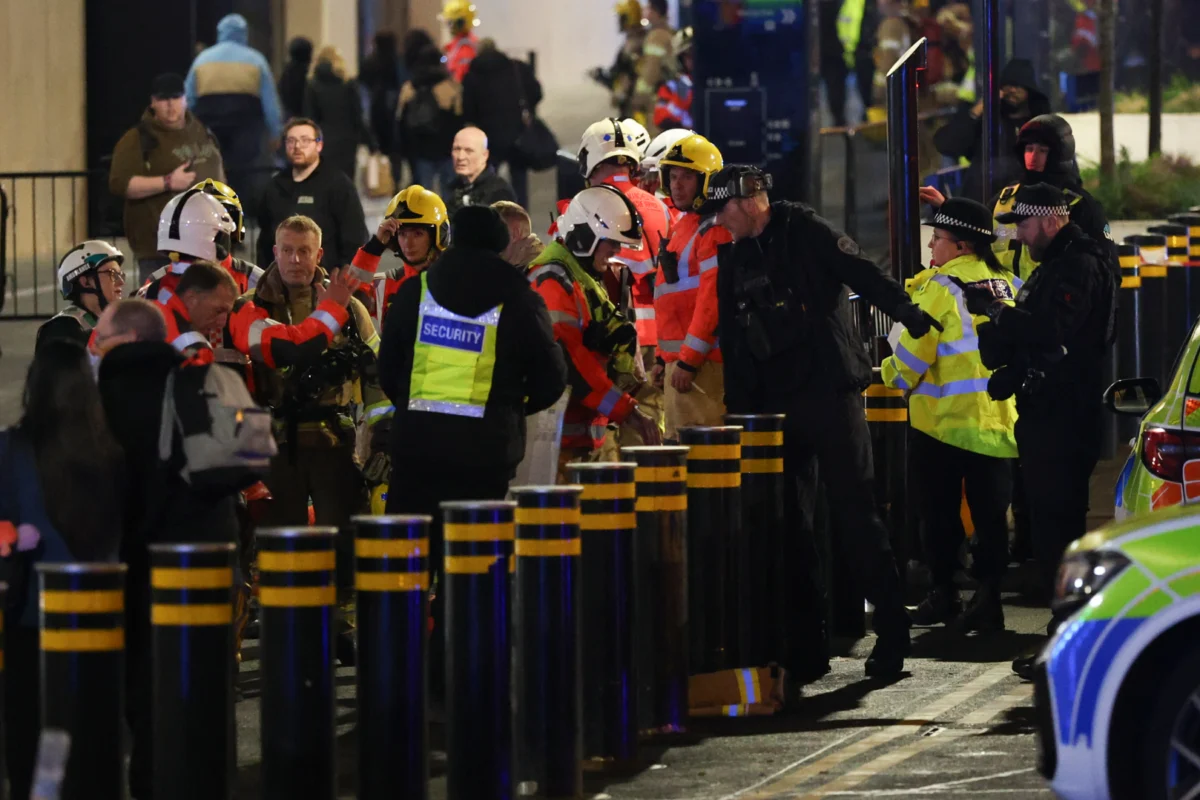
HangupsMusic.com – Manchester, England, The highly anticipated concert by American rapper Don Toliver at Manchester’s state-of-the-art Co-op Live arena was abruptly cut short on Sunday evening, plunging thousands of fans into confusion and prompting a large-scale emergency response. An "unknown substance" was reportedly released into the densely packed crowd, leading to the immediate evacuation of over 12,000 concert-goers and triggering a major incident declaration by Greater Manchester Police (GMP). The unforeseen disruption left attendees grappling with lingering respiratory and ocular discomfort, casting a shadow over what was meant to be a vibrant night of music.
Co-op Live, one of the UK’s newest and largest indoor arenas, boasting a capacity of 23,500, has quickly established itself as a premier destination for major international acts since its recent opening. Designed with cutting-edge acoustics and an immersive fan experience in mind, it has been a significant addition to Manchester’s vibrant cultural landscape. Sunday night was no exception, as fans from across the region flocked to witness Don Toliver, a prominent figure in contemporary hip-hop and R&B, perform as part of the "Nitrous" leg of his "Octane World Tour." The atmosphere was electric, with the anticipation building for Toliver’s distinctive blend of melodic trap and psychedelic influences.
Reports from inside the venue painted a picture of a rapidly escalating situation. Around 9:30 PM local time, as Toliver’s set was in full swing, concert-goers began experiencing sudden and unexplained symptoms. Accounts quickly emerged on social media describing an acrid smell, burning sensations in the eyes and throat, and difficulty breathing. Initially, many attendees believed it to be a localized issue, perhaps a smoke machine malfunction or an overzealous pyrotechnic effect. However, as more people across different sections of the arena reported similar discomfort, a more serious scenario became apparent. Ushers and security personnel, initially trying to ascertain the source of the disturbance, soon realized the gravity of the situation as symptoms spread and a palpable sense of unease rippled through the crowd.
The decision to evacuate was made swiftly by venue management in conjunction with emergency services. The orderly removal of more than 12,000 people from a large-scale arena is a complex operation, requiring precise coordination and clear communication. Eyewitnesses described a tense but largely calm exodus, guided by venue staff and emergency personnel directing patrons towards the nearest exits. Despite the underlying anxiety and the sudden interruption to the performance, the crowd managed to exit the building without major crushes or stampedes, a testament to the effectiveness of the venue’s emergency protocols and the cooperation of the concert-goers. Once outside, the sheer scale of the emergency response became evident.
Greater Manchester Police Assistant Chief Constable Steph Parker confirmed on Monday morning that GMP had declared a major incident, mobilizing significant resources to the scene. This declaration signifies an event requiring a multi-agency response, involving police, fire, and ambulance services working in concerted effort. Paramedics established triage areas outside the arena, assessing approximately 50 individuals for "eye and respiratory symptoms." These ranged from mild irritation to more persistent discomfort, with some individuals reporting prolonged coughing fits, blurred vision, and general malaise. One person, whose identity and exact condition were not immediately disclosed, required transportation to a local hospital for further medical attention. ACC Parker emphasized that ensuring the safety of every person at the concert was the primary objective throughout the incident. She also advised anyone who had left the event and subsequently felt unwell to seek medical attention at their local hospital, highlighting the potential for delayed symptom onset or lingering effects.
The central mystery remains the identity of the "unknown substance" and how it came to be released. Initial speculation, as revealed by GMP, pointed towards tear gas. This theory, though unconfirmed, quickly spread through social media and news reports, adding a layer of concern regarding the potential intentionality of the act. Tear gas, or riot control agents, are chemical compounds designed to irritate the eyes, mouth, throat, lungs, and skin, causing temporary incapacitation. If confirmed, its presence would raise serious questions about security breaches and potential criminal intent. ACC Parker stated that the investigation would now focus on "fully understanding what this substance was and how this incident came about." This will involve forensic analysis of samples taken from the scene, thorough review of extensive CCTV footage from within and around the venue, and comprehensive interviews with witnesses, venue staff, and security personnel. The police are undoubtedly exploring all avenues, from accidental release of a noxious substance to a deliberate act of sabotage or mischief.
Co-op Live management immediately issued a statement confirming their full cooperation with GMP, reiterating that visitor safety and security remained their top priority. The incident marks a significant challenge for the relatively new venue, which has otherwise garnered positive attention since its opening, successfully hosting a series of high-profile events. Such an event inevitably prompts a rigorous review of security procedures, including bag checks, pat-downs, and surveillance systems. Questions will likely be raised about how a substance, potentially hazardous, could have entered the venue or been deployed within it. The incident could have broader implications for event security protocols not just at Co-op Live, but across large-scale venues nationwide, potentially leading to enhanced screening measures and more stringent controls on items permitted inside arenas.
Don Toliver’s "Octane World Tour" is a major international undertaking, and the Manchester incident undoubtedly casts a shadow over its European leg. The rapper was scheduled to perform at London’s iconic O2 Arena tonight, followed by another performance at the OVO Arena Wembley on Tuesday. As of the time of reporting, there had been no official announcements from Toliver’s camp or the promoters regarding the cancellation or postponement of these upcoming shows. However, the psychological impact on both the artist and his fanbase, particularly those who experienced the Manchester incident, cannot be understated. The focus for Toliver’s team will likely be on ensuring the safety and comfort of his audience at future venues, potentially with heightened security presence and reassurance messaging to address any lingering concerns among fans.
The incident quickly became a trending topic on social media, with concert-goers sharing their firsthand accounts, videos, and concerns. Many expressed shock and fear, while others praised the swift evacuation but questioned how such an event could occur in a modern, secure venue. The public perception of venue safety, particularly in the wake of past tragedies at similar events, is incredibly sensitive. Incidents like this, even without severe casualties, can erode public trust and create hesitation among potential attendees for future events. For those who were present, the memory of the evening will likely be a vivid mix of the initial excitement, the sudden onset of discomfort, and the unsettling experience of a mass evacuation. The advice from ACC Parker for unwell attendees underscores the potential for lasting health concerns or psychological impact that such an unexpected event can leave.
While the specifics of the "unknown substance" are still under investigation, the incident serves as a stark reminder of the complexities of ensuring safety at large public gatherings. Venues constantly grapple with balancing stringent security needs against the desire for an open and enjoyable atmosphere that patrons expect. The threat landscape is diverse, ranging from accidental spills to deliberate acts of malice. Security protocols are typically multi-layered, involving physical barriers, surveillance technology, trained personnel, and detailed emergency response plans. However, every incident, regardless of its cause, provides an opportunity for venues and authorities to learn and adapt, continuously refining their strategies to protect patrons. The Co-op Live incident will undoubtedly contribute to this ongoing dialogue about best practices in crowd management and emergency preparedness within the entertainment industry.
As the investigation unfolds, the music industry and fans alike will be awaiting answers regarding the substance, its source, and the full implications for future events. The primary concern remains the well-being of those affected and the integrity of safety protocols at major entertainment venues. While the immediate focus is on the police investigation, the long-term impact on Co-op Live’s reputation and its operational procedures could be significant, potentially influencing future bookings and public confidence. For Don Toliver, the tour must continue, but the shadow of the Manchester incident will undoubtedly linger, serving as a somber reminder of the unpredictable nature of live events. The next few days will be critical in understanding the full scope of what transpired and charting a path forward for all involved. The venue’s next scheduled event, a performance by Phoebe Bridgers on Thursday night, also hangs in the balance, awaiting further guidance from authorities regarding the safety and security of the arena.
