
 By Azzam Bilal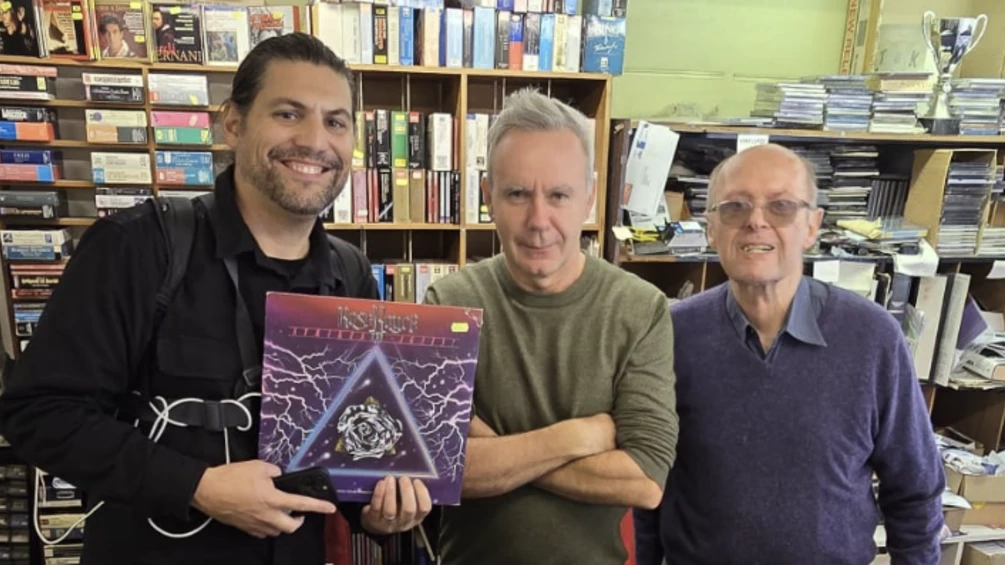
HangupsMusic.com – Southampton, the coastal air of southern England recently played host to an extraordinary feat of endurance and musical passion, as Paul Richards, better known to the global electronic music community as DJ Ridney, officially secured his place in the history books. In an era dominated by the ephemeral nature of digital streaming and instantaneous downloads, Richards chose to highlight the tangible, tactile world of physical media by embarking on a grueling 24-hour odyssey. His mission was simple in concept but daunting in execution: to visit the highest number of independent record stores within a single day, adhering to the strict evidentiary standards required by the Guinness World Records. After a meticulous eleven-month verification process, the achievement has been formally recognized, marking a significant moment for both the artist and the independent retail sector he sought to champion.
The journey, which spanned the picturesque but logistically challenging landscapes of the UK’s south coast, saw Richards navigating a complex itinerary that included stops in Brighton, Worthing, Chichester, Shoreham-by-Sea, and Southampton. To ensure the record remained valid under the rigorous scrutiny of the Guinness adjudicators, Richards committed to a set of stringent constraints. He eschewed private transport, relying entirely on the often-unpredictable network of public buses and trains, supplemented by extensive periods of travel on foot. This decision added a layer of physical and mental pressure to the attempt, as every minute spent waiting on a platform or navigating a city street was a minute closer to the 24-hour deadline.
Under the specific rules governing this record category, the mere act of entering a shop was insufficient. Richards was required to engage in a meaningful transaction at every location, purchasing a vinyl album and documenting the visit with photographic evidence. This meant that by the end of his journey, he was not only carrying the physical weight of 28 newly acquired records but also the responsibility of maintaining a perfect paper trail of receipts and time-stamped images. The logistical precision required for such an endeavor cannot be overstated; a single missed train or a closed shopfront could have derailed the entire enterprise.
Richards, who serves as the head of the independent record label Paharas Musica, has long been a vocal advocate for the preservation of music culture. For him, this challenge was less about personal glory and more about shining a spotlight on the vital role that independent record shops play in the community. Speaking on the motivation behind the attempt, he reflected on the profound impact vinyl has had on his personal and professional trajectory. He described the medium as a constant presence since his youth—a "soundtrack to important memories" that eventually paved the way for his successful career as a producer and DJ. By visiting 28 stores, he aimed to celebrate these establishments as more than just retail spaces; he viewed them as cultural hubs where music lovers meet, stories are exchanged, and rare gems are discovered through the serendipity of "crate digging."
The attempt itself was characterized by moments of high energy and community engagement. One of the standout episodes occurred at Overdraft, a renowned record shop and craft beer taproom in Southampton. Despite the mounting fatigue of the 24-hour sprint, Richards took the opportunity to perform an impromptu DJ set. Using the very records he had unearthed earlier that day, he transformed the shop into a temporary dancefloor, showcasing the immediate utility and joy of the vinyl format. This moment served as a bridge between the clinical requirements of the record attempt and the lived experience of being a working DJ.
Richards’ background in the industry provided him with the credibility to lead such a campaign. With a portfolio that includes performances at the iconic Café Mambo in Ibiza and a discography that has earned significant airplay on major networks like BBC Radio, Capital Chill, and KISS FM, he is a figure well-versed in the nuances of the music business. His label, Paharas Musica, continues to champion the soulful and house-driven sounds that have defined his career, making his dedication to the physical roots of the genre all the more poignant.
The confirmation of the record comes nearly a year after Richards first announced his intentions in October of the previous year. The eleven-month gap between the attempt and the official certification is a testament to the thoroughness of the Guinness World Records organization. Every receipt, witness statement, and GPS log must be cross-referenced to ensure that no rules were circumvented. For Richards, the wait only added to the satisfaction of the eventual recognition, confirming that his 28-stop "vinyl crawl" was indeed a world-class achievement.
This feat arrives at a time when the "vinyl crawl" is becoming a recognized cultural phenomenon in the United Kingdom. Earlier this year, a collective of independent stores in East London organized a similar event titled "The Dig," which encouraged enthusiasts to traverse the city in search of rare pressings and community connection. While Richards’ attempt was a solo endeavor aimed at a world record, it shares a common DNA with these organized crawls: a desire to resist the homogenization of music consumption and to protect the "third spaces" that independent shops provide.
The resurgence of vinyl over the last decade has been well-documented, with sales of the format reaching highs not seen since the late 1980s. However, the survival of the shops themselves is never guaranteed. By documenting his journey across the south coast, Richards highlighted the geographic diversity of the UK’s record store landscape. From the bustling, multi-story emporiums of Brighton to the smaller, curated boutiques in towns like Shoreham-by-Sea, each shop offers a unique perspective on musical history. The 28 records Richards purchased during his journey now stand as a physical archive of a specific moment in time—a collection of sounds gathered through sheer willpower and a commitment to the local economy.
The success of the attempt also serves as a reminder of the logistical infrastructure required to support such a vibrant scene. The reliance on public transport was a deliberate choice that underscored the accessibility of these shops. In an era where environmental concerns are at the forefront of public discourse, Richards demonstrated that a major cultural undertaking could be achieved without the carbon footprint of a private vehicle. It was a marathon of the modern age, powered by the UK’s rail network and the steady rhythm of a DJ’s determination.
As the news of the official certification spreads, Richards continues to look forward, both in his production work and his management of Paharas Musica. However, the 28-shop record will likely remain a career highlight, a physical manifestation of his lifelong devotion to the "black gold." The achievement is not just a personal milestone for a Southampton-based artist; it is a victory for the independent retailers who keep their doors open in an increasingly digital world.
In the final analysis, Paul Richards’ journey was about more than just numbers on a certificate. It was a celebration of the "find"—the moment a listener discovers a piece of music that changes their perspective. By racing against the clock to visit 28 different shrines to recorded sound, he reminded the public that while music can be streamed in a second, the journey of discovery is something that deserves to be savored, even at record-breaking speeds. His 24-hour odyssey stands as a definitive tribute to the enduring power of the vinyl record and the shops that ensure its survival for future generations of listeners and creators alike.
