
 By Azzam Bilal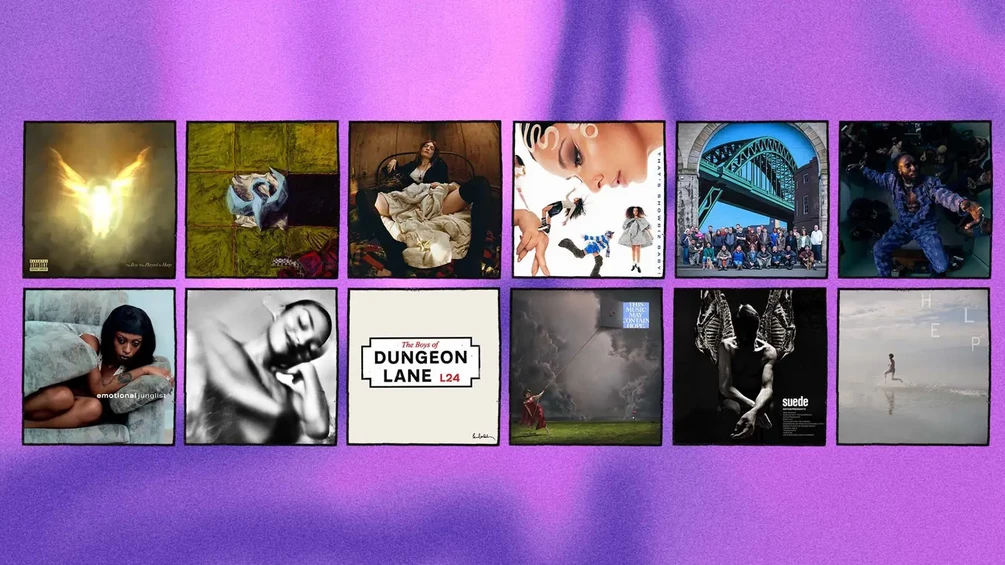
HangupsMusic.com – London, The British and Irish music landscape is once again under the microscope as the shortlist for the 2026 Mercury Prize has been officially unveiled. As one of the most coveted accolades in the global music industry, the Mercury Prize continues its tradition of bypassing mere commercial success in favor of artistic innovation, cultural impact, and technical brilliance. This year’s selection of twelve albums represents a striking cross-section of the contemporary UK scene, bridging the gap between veteran legends and the avant-garde pioneers who are currently reshaping the sonic identity of the nation.
Topping the headlines of this year’s announcement is the inclusion of Nia Archives, whose sophomore effort, Emotional Junglist, has solidified her position as a generational talent. Archives, who has been instrumental in the modern resurgence of jungle and drum and bass, has managed to do something few artists in her genre have achieved: garnering consistent critical acclaim from the high-brow establishment while maintaining an unwavering connection to the underground rave scene. Released on July 24, Emotional Junglist narrowly met the eligibility requirements, sliding into the shortlist window by just one week. The album is a sprawling, introspective journey that blends the breakneck speed of 160 BPM breakbeats with soulful, jazz-inflected vocal arrangements. Featuring high-profile collaborations with the likes of Sampha and Jorja Smith, the record has been praised for its emotional depth—a quality often overlooked in electronic dance music.
This nomination marks a historic milestone for Nia Archives. It is her second appearance on the Mercury shortlist in three years, following her 2024 nomination for her debut album, Silence Is Loud. That debut was a watershed moment for the prize, marking the first time in over a quarter of a century that a jungle-focused project was recognized by the judging panel. With Emotional Junglist, Archives is no longer just a "breakthrough" act; she is a frontrunner, proving that the high-energy sounds of the 90s can be reimagined for a modern, emotionally literate audience.
Joining Archives in the upper echelon of the 2026 shortlist is Dave, an artist who is no stranger to the Mercury stage. Having previously won the award for his seminal debut Psychodrama, Dave returns with The Boy Who Played the Harp. The album has been described by critics as a cinematic exploration of heritage, identity, and the burdens of fame. Dave’s ability to weave complex socio-political commentary into chart-topping hits remains unparalleled, and The Boy Who Played the Harp sees him experimenting with more acoustic, folk-influenced instrumentation, moving away from the gritty trap beats of his earlier work to embrace a more timeless, orchestral sound.
The inclusion of Kojey Radical for his project Don’t Look Down further emphasizes the strength of British hip-hop and spoken word in the current era. Radical has long been considered one of the most vital voices in the UK, known for his explosive live performances and his ability to blend grime, jazz, and traditional African rhythms. Don’t Look Down is being hailed as his most cohesive work to date, a soaring manifesto on resilience and creative freedom that challenges the listener to find hope in an increasingly fractured world.
In a move that highlights the Mercury Prize’s respect for longevity, the 2026 list also features the legendary Paul McCartney. His nominated album, The Boys of Dungeon Lane, proves that the former Beatle remains a restless creative force well into his eighties. The record is a return to his experimental roots, featuring lo-fi production and whimsical, narrative-driven songwriting that feels both nostalgic and remarkably fresh. McCartney’s presence on the list serves as a bridge between the foundations of British pop and the modern innovators who cite him as a primary influence.
The "old guard" is further represented by Florence + The Machine, whose album Everybody Scream has been described as a "theatrical explosion of gothic pop." Florence Welch continues to push the boundaries of her vocal capabilities, delivering a performance that is as haunting as it is triumphant. The album’s themes of catharsis and communal ritual have resonated deeply with audiences, making it a strong contender for the top prize.
The 2026 shortlist is also notable for its inclusion of RAYE, whose album THIS MUSIC MAY CONTAIN HOPE continues her meteoric rise as an independent powerhouse. After her historic sweep of the BRIT Awards in previous years, RAYE has transitioned into an artist who defies categorization. Her latest work is a genre-blurring epic that touches on blues, house, and classical music, all while maintaining a raw, confessional lyrical style that has become her trademark. Similarly, Loyle Carner’s Hopefully! offers a masterclass in introspective rap, continuing his exploration of family, fatherhood, and the nuances of the Black British experience.
Rounding out the diverse list of nominees are Kae Tempest, Sam Fender, and the ever-enigmatic English Teacher. Kae Tempest’s Self Titled is a searing piece of social commentary that utilizes minimal electronic production to highlight Tempest’s masterful command of language. Sam Fender, meanwhile, brings a sense of grand, heartland rock to the proceedings with People Watching. Fender’s nomination is particularly poignant this year, as the winner of the 2026 Mercury Prize will be announced at Newcastle’s Utilita Arena on October 22nd. For the North Shields native, winning the prize in his home territory would be a career-defining moment and a significant win for the North East’s vibrant music scene.
The decision to host the 2026 ceremony in Newcastle is a departure from the traditional London-centric focus of the Mercury Prize. It reflects a broader effort within the industry to recognize and celebrate the regional diversity of British music. The Utilita Arena is expected to provide a high-octane backdrop for the live performances that have become a hallmark of the Mercury ceremony. These performances often serve as the definitive introduction for many artists to a wider mainstream audience.
Looking back at the prize’s recent history provides context for the 2026 race. The 2025 award was taken home by English Teacher for their debut, This Could Be Texas, a win that was seen as a victory for the thriving UK indie-rock circuit. That year also saw heavy hitters like FKA twigs, Pa Salieu, and PinkPantheress compete for the title, with FKA twigs delivering a memorable live rendition of her album Eusexua. The fact that Nia Archives and Dave are returning to the shortlist so soon after previous nods suggests a period of sustained excellence for certain key figures in the industry, even as the prize continues to seek out "the next big thing."
As the countdown to the October ceremony begins, the debate over who will take home the £25,000 prize and the prestigious trophy is already heating up. Will the judges favor the veteran craftsmanship of McCartney or Florence Welch? Or will they lean toward the cultural urgency of Nia Archives and Kojey Radical? Perhaps the hometown advantage will propel Sam Fender to victory, or RAYE’s independent spirit will finally be rewarded with the Mercury seal of approval.
What is certain is that the 2026 Mercury Prize shortlist serves as a testament to the health and vitality of the British music industry. In an era where streaming algorithms often prioritize the familiar, the Mercury Prize remains a vital platform for the challenging, the experimental, and the deeply personal. Whether it is through the frantic breakbeats of jungle, the poetic flows of hip-hop, or the timeless melodies of rock and roll, these twelve albums represent the very best of what the UK has to offer the world. The October 22nd ceremony in Newcastle promises to be a night of celebration, marking yet another chapter in the storied history of this essential cultural institution.
