
 By Azzam Bilal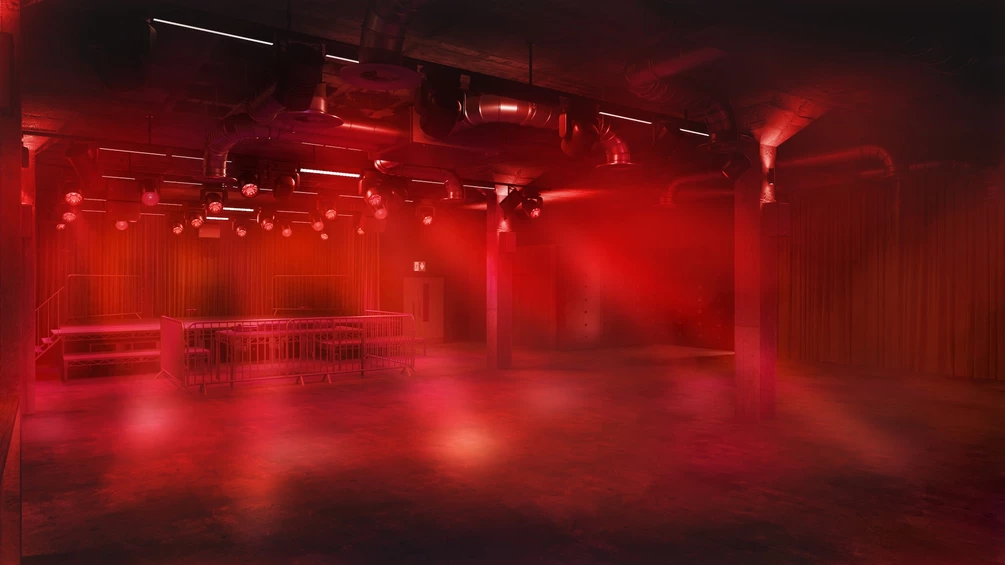
HangupsMusic.com – Manchester, a city synonymous with the birth of acid house and the relentless evolution of electronic music, is set to welcome a significant new addition to its nightlife landscape this autumn. Locker, a 450-capacity venue, is slated to open its doors in early October, taking up residency on the ground floor of the historic New Century building. This launch marks a pivotal moment for the city’s NOMA district, blending 1960s architectural heritage with cutting-edge sound engineering and a programming philosophy rooted in grassroots support and underground credibility.
The New Century building is no stranger to the sounds of revolution. A Grade II-listed modernist landmark, it has stood as a testament to Manchester’s mid-century optimism since its completion in the early 1960s. Originally serving as a hall for the Co-operative Group, the building has recently undergone a massive revitalization, transforming into a multi-use creative hub that houses the dBs Institute and various hospitality ventures. The introduction of Locker represents the final piece of the puzzle, a dedicated space designed to capture the raw energy of the dance floor within a structure that “lives and breathes music,” according to its stewards.
The technical specifications of Locker suggest a venue that prioritizes the physical experience of sound. In an era where many clubs are forced to compromise on acoustics due to urban constraints, Locker has partnered with renowned audio engineers Adlib to install a bespoke L-Acoustics sound system. Adlib, a firm with deep roots in the North West, is known for its work on major festivals and high-end installations, and their involvement ensures that Locker will provide the clarity and low-end pressure required for modern electronic music. Perhaps most notably for seasoned clubbers, the venue features a sprung-flooring dance floor—a rarity in contemporary club design. Originally intended for the grand ballrooms of the mid-20th century, sprung floors offer a level of kinetic feedback and physical comfort that allows for longer sessions with less fatigue, a subtle but vital nod to the building’s original heritage.
The inaugural weekend of Locker, beginning Friday, October 2nd, sets a high bar for the venue’s curation. The opening night will be headlined by Nooriyah, an artist who has become a global standard-bearer for the SWANA (South West Asia and North Africa) music scene. Her ability to blend traditional Middle Eastern rhythms with contemporary global bass has made her one of the most sought-after DJs in the UK. Joining her are Adele Tondu and Imad:re, rounding out a night that emphasizes the diversity of Manchester’s modern sonic palette.
Saturday, October 3rd, shifts the focus toward the grit and hardware-driven energy of the UK underground. Paranoid London, the duo consisting of Gerardo Delgado and Quinn Whalley, will perform one of their legendary live sets. Known for their refusal to play the industry game—rarely doing interviews and sticking to a strictly analog, acid-house aesthetic—their presence at Locker is a statement of intent. They will be joined by the vocal prowess of Mutado Pintado, along with DJ Subaru, Kiosk, and a selection of special guests. This programming highlights Locker’s commitment to "acid-house roots," a sentiment echoed by the venue’s leadership.
The broader autumn season at Locker continues this trend of high-caliber, eclectic bookings. Highlights include the legendary Japanese house producer Soichi Terada, whose bright, melodic productions have enjoyed a massive resurgence in recent years. Also appearing is Jyoty, the Rinse FM mainstay whose genre-fluid sets have made her a festival favorite, and IZCO, a producer at the forefront of the new wave of UK garage and grime-inflected electronics. The lineup is further bolstered by the likes of Two Shell, the enigmatic duo known for their glitchy, hyper-pop-adjacent club tracks; Logic1000, the Australian producer celebrated for her emotive, rhythmic house; and Massimiliano Pagliara, a master of disco-tinged techno. With appearances from Manuka Honey and others, the schedule suggests a venue that is less interested in following trends and more focused on building a community around high-quality, forward-thinking music.
Abby Mudge, the Managing Director of New Century, emphasized that Locker is more than just a commercial venture. In a press statement, she noted that the venue aims to "reimagine" the building’s ground floor to support grassroots talent and independent hospitality. Crucially, the venue will serve as a practical extension of the dBs Institute, which is located within the same building. This partnership creates a "musical ecosystem" where students can gain hands-on experience in event production, sound engineering, and artist management, bridging the gap between academic study and the realities of the music industry.
The timing of Locker’s opening is particularly poignant given the current state of Manchester’s nightlife. The city has faced a series of challenges in 2024, reflecting the broader national struggle for independent venues. In May, the community was rocked by the news that The White Hotel, a cornerstone of the city’s experimental and underground scene located in Salford, plans to close its doors in January 2027. Meanwhile, Stage & Radio, a beloved venue in the Northern Quarter, has been embroiled in a public dispute with developers over noise complaints and neighboring construction, highlighting the precarious nature of urban cultural spaces.
However, amidst these challenges, there are signs of resilience. The opening of Onsite Records in the Northern Quarter this July proved that the demand for physical media and community hubs remains strong. The airport’s new Hacienda-themed bar, while more commercial in nature, speaks to the enduring global brand of Manchester’s musical history. Furthermore, the news that Sankeys has secured a 6 AM license for its new location suggests that the city’s authorities are still willing to support late-night culture under the right circumstances.
In this context, Locker emerges as a beacon of stability and growth. By situating itself within a Grade II-listed building, it gains a level of permanence and architectural protection that many warehouse venues lack. Its 450-capacity size is also strategic; it is large enough to attract international touring acts but intimate enough to foster a sense of exclusivity and "heads-down" focus that is often lost in larger warehouse spaces.
The philosophy behind Locker seems to be one of "controlled chaos"—a space that respects the history of the New Century building while allowing for the loud, messy, and essential business of clubbing. By focusing on the ground floor, the venue creates a direct connection to the street, inviting the city in rather than hiding away in an industrial estate. This visibility is key to maintaining Manchester’s reputation as a city where music is woven into the very fabric of daily life.
As the early October launch approaches, the anticipation within the local electronic music community is palpable. Tickets for the opening season have already begun to move, with many eager to experience the L-Acoustics system and the unique feel of the sprung floor. For Manchester, a city that has always found a way to reinvent itself through sound, Locker represents the next chapter in a long and storied book. It is a venue that looks backward to its architectural and musical roots while keeping its eyes firmly fixed on the future of the global dance floor.
Whether Locker can navigate the complex economic pressures currently facing the UK nightlife sector remains to be seen, but its foundation—built on a mixture of high-end technology, educational integration, and top-tier curation—provides it with a stronger starting position than most. As the first basslines echo through the New Century building this autumn, Locker will not just be opening its doors; it will be reclaiming a piece of Manchester’s soul for a new generation of ravers.
