
 By Azzam Bilal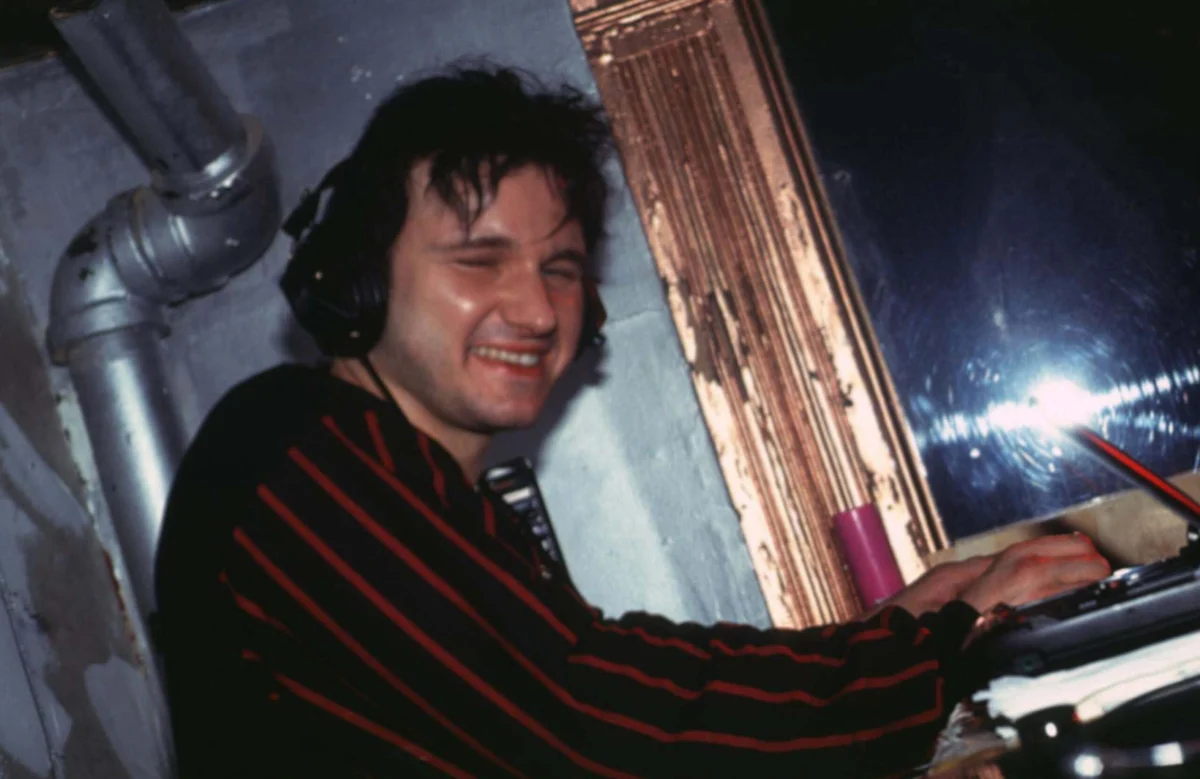
HangupsMusic.com – BANGKOK, The global music community is reflecting on the profound influence of a man who bridged the gap between the underground and the mainstream, as news emerges of the passing of Dave Kendall. The British-born broadcaster, writer, and producer, best known as the creator and seminal host of MTV’s 120 Minutes, died at the age of 63. His death was first brought to public attention by his longtime friend and fellow former MTV host Matt Pinfield, who shared a poignant tribute on social media. The Bangkok Post, the publication where Kendall had spent the final chapter of his professional life as an editor and journalist from 2017 until 2025, confirmed his passing in a detailed obituary. While the music world mourns a pioneer, no specific cause of death has been disclosed at this time.
Dave Kendall’s career was a testament to the power of curiosity and a deep-seated passion for the avant-garde. Long before "alternative" was a marketing category used to sell millions of records, Kendall was a champion of the fringes. His journey began in the United Kingdom, where he cut his teeth as a music journalist during a period of immense creative upheaval. Writing for legendary publications like Melody Maker and the burgeoning American magazine Spin, Kendall developed an ear for the unconventional. In the mid-1980s, he made the pivotal decision to relocate to New York City, a move that would place him at the epicenter of a cultural shift that would eventually redefine the television landscape.
When Kendall arrived at MTV in the 1980s, the network was still finding its footing as the primary visual medium for pop music. While the channel was dominated by the high-gloss production of hair metal and Top 40 pop stars, Kendall saw an untapped opportunity to highlight the darker, stranger, and more intellectual corners of the music world. In 1986, he helped conceptualize 120 Minutes, a program designed specifically to showcase "alternative" music—a term that, at the time, encompassed everything from post-punk and New Wave to industrial and early indie rock. Though the show initially featured various hosts, it was Kendall who eventually became its most recognizable face and voice, taking over the hosting duties in 1989.
For many viewers in suburban America and beyond, Kendall was a sophisticated, slightly mysterious guide into a world they didn’t know existed. With his distinct British accent and an air of genuine intellectual curiosity, he presented music videos from bands like The Cure, Depeche Mode, The Smiths, and New Order. He didn’t just play videos; he provided context, conducting interviews that felt more like conversations between enthusiasts than promotional stops. Under his stewardship, 120 Minutes became a vital lifeline for subcultures. It was the "church" of the alternative scene, a two-hour window every Sunday night where the outsiders felt seen.
Kendall’s tenure coincided with one of the most significant shifts in rock history: the transition from the underground college rock of the 1980s to the massive "grunge" explosion of the early 1990s. He was a vocal advocate for the abrasive, art-damaged sounds of Sonic Youth and the surrealist pop-rock of the Pixies, bands that laid the groundwork for what was to come. Perhaps the most iconic moment of his television career occurred in late 1991, when he hosted the world premiere of Nirvana’s "Smells Like Teen Spirit." At the time, few could have predicted that the video would effectively end the era of hair metal and usher in a decade dominated by the "Seattle sound." Kendall, however, treated the moment with the gravity it deserved, recognizing the seismic energy of the track before it became a global anthem.
Beyond his seven-year run at MTV, where he served not only as a presenter but also as a writer, producer, and news reporter, Kendall was a restless innovator. He was never content to stay in one medium or genre for too long. Following his departure from the network, he moved into the world of talk television, co-producing and hosting Music Scoupe. His interests also pivoted toward the burgeoning electronic music scene. In the early 1990s, he launched Planet Traxx on New York’s Hot 97. The program is widely cited as the first dedicated electronica show on commercial radio in the United States, proving once again that Kendall had a preternatural ability to identify the next big movement before it hit the mainstream.
As the media landscape shifted toward the internet in the mid-to-late 1990s, Kendall was among the first to embrace digital journalism. He recognized the potential of the web as a platform for broadcasting long before high-speed streaming was a reality, involving himself in some of the earliest online video streaming ventures. His career was a masterclass in adaptability; he moved seamlessly between the high-pressure environment of cable television, the spontaneity of live radio, and the technical frontiers of the early web.
In his later years, Kendall sought a change of pace and scenery, eventually settling in Thailand. His move to Southeast Asia did not signal a retirement, but rather a return to his roots in print and digital reporting. Joining the Bangkok Post, he brought his decades of experience to the newsroom, serving as a respected staffer and editor. Colleagues in Bangkok remembered him as a professional with an encyclopedic knowledge of global culture and a sharp eye for detail. Even thousands of miles away from the New York studios of MTV, his influence remained palpable among music historians and fans who continued to trade tapes of his old broadcasts.
The tribute from Matt Pinfield, who inherited the 120 Minutes mantle and became a legend in his own right, underscored the respect Kendall commanded among his peers. Pinfield described him as a "true believer," a term that carries significant weight in an industry often criticized for cynicism. To be a true believer in the context of Dave Kendall meant having an unwavering faith in the importance of the artist and the necessity of the message. He believed that the music he played deserved a platform, not because it was commercial, but because it was meaningful.
Kendall’s legacy is found in the thousands of bands that found an audience because of his advocacy and the millions of fans who discovered their favorite artists through his show. In an era before algorithms and curated playlists, Kendall was the ultimate human algorithm. He sifted through the noise to find the signals that mattered, presenting them with a sense of dignity and passion that elevated the entire genre of music journalism.
As the news of his passing circulates, fans have begun sharing clips of his old interviews—moments where he sat on the 120 Minutes couch with everyone from David Bowie to a young, reticent Trent Reznor. These archives serve as a reminder of a time when music television was a place of discovery rather than just reality programming. Dave Kendall wasn’t just a host; he was a curator of a culture that changed the world.
He is survived by a legacy that spans continents and decades. From the rainy streets of London to the neon lights of Times Square and finally to the vibrant bustle of Bangkok, Kendall remained a journalist at heart. He was a man who understood that music was more than just sound—it was a way for people to find their identity. The "120 minutes" he gave the world every week turned into a lifetime of influence, ensuring that while the man has passed, the music he championed will continue to play on. In the history of alternative culture, Dave Kendall’s name will forever be synonymous with the moment the underground finally found its voice.
