
 By admin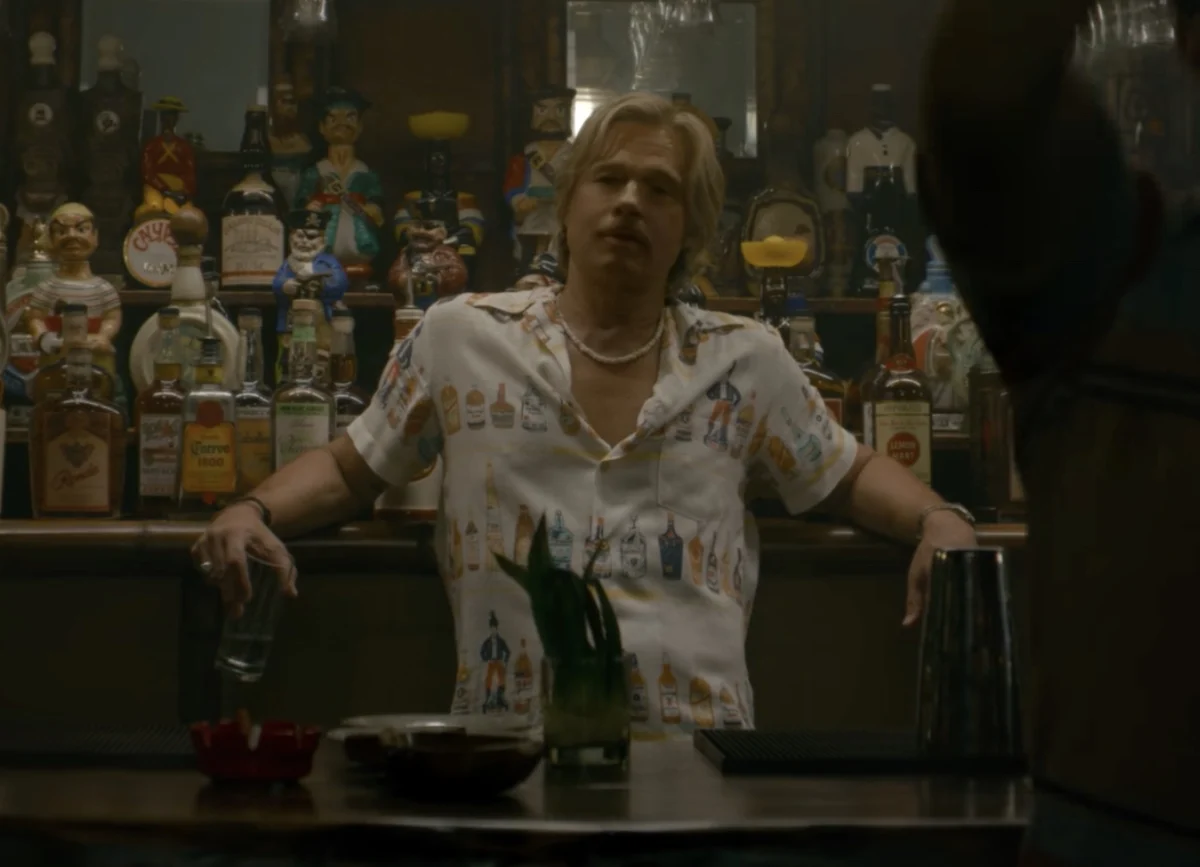
HangupsMusic.com – The cinematic landscape is abuzz with the impending arrival of The Further Mis-Adventures of Cliff Booth, a much-anticipated quasi-sequel to Quentin Tarantino’s critically acclaimed Once Upon a Time in Hollywood. Set to ignite screens on November 25 before making its global streaming debut on Netflix on December 23, this project marks a fascinating convergence of singular talents: the meticulous vision of director David Fincher, the iconic screen presence of Brad Pitt reprising his Academy Award-winning role, and a screenplay penned by the inimitable Tarantino himself. Fans eager for another glimpse into the sun-drenched, yet often shadowy, world of Hollywood’s fringes were recently treated to the film’s inaugural full-length trailer, offering a tantalizing, albeit enigmatic, peek into the tumultuous year of 1977 and the evolving life of its titular anti-hero.
The original Once Upon a Time in Hollywood painted a vibrant, albeit revisionist, portrait of Los Angeles in 1969, where the golden age of cinema was fading, and the counterculture was reaching its zenith. At its heart were Rick Dalton, a fading television star played by Leonardo DiCaprio, and his loyal, laconic stunt double and confidante, Cliff Booth. Pitt’s portrayal of Booth was a masterclass in understated cool – a man of few words but profound capabilities, haunted by a mysterious past, yet fiercely devoted to his friend. The film concluded with an audacious alternate history, reshaping a tragic moment with a cathartic, violent fantasy. Now, eight years later in cinematic time, The Further Mis-Adventures of Cliff Booth promises to pull back the curtain on what became of the enigmatic stuntman in a drastically altered Hollywood.
The trailer, recently unveiled by Netflix, immediately establishes a palpable shift in atmosphere. Gone is the lingering idealism, however frayed, of the late sixties. Instead, 1977 ushers in an era of grittier realities, a decade marked by economic uncertainty, the rise of disco, the burgeoning punk movement, and a general sense of disillusionment following Vietnam and Watergate. For Cliff Booth, this means a significant career pivot. The easy camaraderie and professional symbiosis he shared with Rick Dalton are evidently a thing of the past. As Booth wryly quips in the trailer, Dalton "got too fat for me to double him anymore," a line that speaks volumes about Dalton’s potential decline and the dissolution of their partnership. This severance forces Booth into a new, arguably more dangerous, line of work: that of a "studio fixer."
The role of a "studio fixer" in 1970s Hollywood was a murky one, often operating in the grey areas between legitimate studio operations and the less savory underbelly of the entertainment industry. These individuals were problem-solvers, enforcers, and facilitators, tasked with making inconvenient truths disappear, managing difficult personalities, and occasionally, ensuring debts were paid – or collected. It’s a role perfectly suited to Booth’s particular skillset: his stoic demeanor, his street smarts, and his proven capacity for decisive, often violent, action. The trailer hints at the darker implications of this new profession, showcasing fleeting glimpses of axe-wielding hitmen, suspicious bags overflowing with cash, and a variety of menacing gangsters. This visual tapestry, underscored by the driving rhythm of Led Zeppelin’s iconic "Rock and Roll," suggests a narrative steeped in the kind of high-stakes, morally ambiguous territory that both Tarantino and Fincher excel at exploring.
The decision for Quentin Tarantino to pen the screenplay but entrust the directorial reins to David Fincher is, in itself, a noteworthy event. Tarantino is famously meticulous about directing his own material, making this collaboration a rare and exciting prospect. It signals a mutual respect between two of contemporary cinema’s most celebrated auteurs. Fincher, renowned for his psychological thrillers, dark aesthetics, and unflinching examination of human depravity, seems an ideal choice to shepherd Booth’s journey into a more cynical, post-New Hollywood landscape. His filmography, which includes seminal works like Seven, Fight Club, and Zodiac, consistently delves into themes of obsession, corruption, and the darker facets of human nature, often with a meticulous eye for visual detail and a taut narrative pace.
The reunion of Fincher and Pitt is another major draw. Their previous collaborations have yielded some of the most memorable and critically acclaimed films of the past three decades. In Seven, Pitt delivered a raw, intense performance as Detective David Mills, grappling with unspeakable evil. Fight Club saw him transform into the charismatic, anarchic Tyler Durden, a role that cemented his status as a cultural icon. Even in the more unconventional The Curious Case of Benjamin Button, their partnership explored profound themes of time and mortality. With Fincher at the helm, audiences can anticipate a portrayal of Cliff Booth that delves deeper into his psyche, perhaps peeling back more layers of the character’s enigmatic past and present motivations, all while maintaining the cool, dangerous charisma Pitt so effortlessly embodies.
Beyond Pitt, the ensemble cast for The Further Mis-Adventures of Cliff Booth is robust, featuring a mix of established talents and rising stars. Scott Caan, Elizabeth Debicki, Yahya Abdul-Mateen II, Peter Weller, Carla Gugino, Holt McCallany, and JB Tadena are all slated to appear. While their specific roles remain under wraps, their collective presence promises a rich tapestry of characters, likely populating the dangerous world Booth now navigates. Adding a direct link back to Once Upon a Time in Hollywood, Timothy Olyphant reprises his role as James Stacy, the real-life Western actor who, in Tarantino’s original film, was a colleague and friend of Rick Dalton. Stacy’s reappearance raises intriguing questions: How has his life progressed since 1969? What connection does he still maintain with Booth, and how might he factor into the "fixer’s" new dilemmas? His presence ensures a thread of continuity, subtly reminding viewers of the universe from which Booth emerged.
The film’s distribution strategy also reflects the evolving nature of the industry. A theatrical release on November 25, followed by a Netflix debut on December 23, positions The Further Mis-Adventures of Cliff Booth to capture both the prestige of the big screen experience and the vast reach of a global streaming platform. This hybrid approach has become increasingly common for high-profile productions, allowing films to compete for critical accolades and awards recognition through a theatrical window, while simultaneously satisfying the demand for at-home consumption. For Netflix, securing a project of this caliber – a Fincher-directed, Tarantino-written, Pitt-starring quasi-sequel to an Oscar-winning film – is a significant coup, further solidifying its reputation as a home for ambitious, director-driven content.
The choice of 1977 as the setting is crucial, offering a stark contrast to the previous film. By this point, the "New Hollywood" era, characterized by auteur-driven, often gritty films like Bonnie and Clyde and The Godfather, was beginning to wane, giving way to the blockbuster era ushered in by Jaws and soon to be cemented by Star Wars (which premiered that very year). This transition period was fraught with tension between artistic ambition and commercial imperatives. How will Cliff Booth, a relic of a bygone era, navigate this rapidly changing landscape? Will his "fixer" role be about maintaining the old guard, or adapting to the ruthless demands of the new? The cultural backdrop of the late seventies, with its disco glamour, punk rock rebellion, and pervasive sense of urban decay, provides a rich, fertile ground for Fincher and Tarantino to explore.
Anticipation for The Further Mis-Adventures of Cliff Booth is understandably high. It’s a project that combines the narrative allure of a beloved character with the distinct stylistic sensibilities of two of modern cinema’s most influential voices. The trailer, while deliberately vague on plot specifics, expertly crafts an atmosphere of intrigue, danger, and a certain world-weary charm that is quintessentially Cliff Booth. With Fincher’s masterful hand guiding Tarantino’s sharp dialogue and vivid characterizations, and Pitt inhabiting a role that garnered him widespread acclaim, the film promises to be a compelling, perhaps even unsettling, journey back into the darker corners of Hollywood, seen through the eyes of its most enduring survivor. As the release dates approach, cinema enthusiasts and streaming subscribers alike are poised to discover what further mis-adventures await Cliff Booth in the tumultuous year of 1977.
