
 By Rose Miami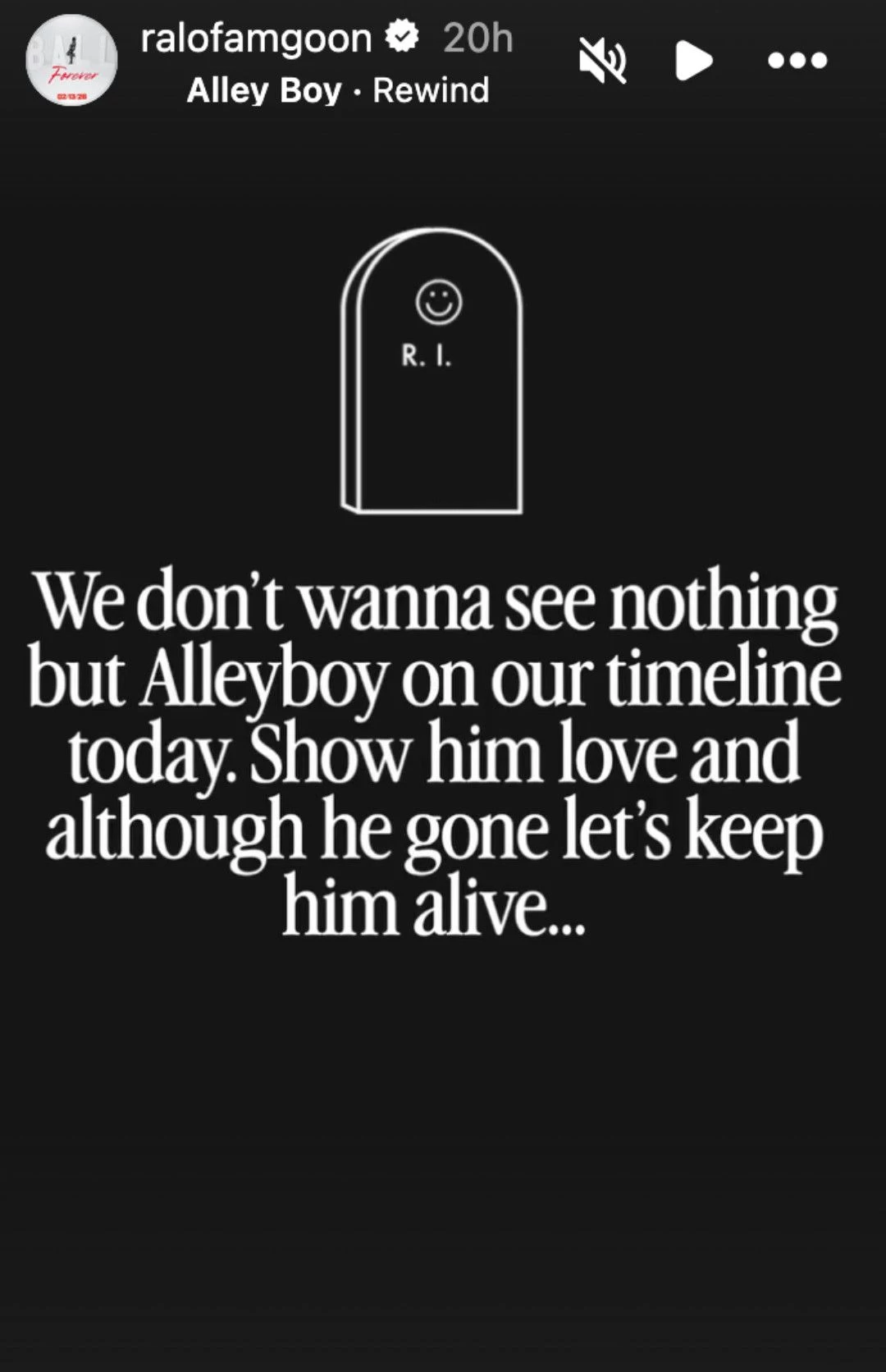
HangupsMusic.com – The vibrant hip-hop landscape of Atlanta has lost a significant voice with the passing of rapper Alley Boy, whose distinctive flow and entrepreneurial spirit left an indelible mark on the Southern rap scene. He died at the age of 42, following a protracted struggle with kidney disease. His daughter confirmed the news on Monday, July 20, sharing poignant tributes that underscored the profound loss felt by his family and the wider music community.

The initial wave of reports regarding Alley Boy’s death began circulating on Sunday, July 19, sparking widespread shock and an outpouring of grief from peers and fans alike. Rappers such as 21 Savage and Big Bank, co-founder of Duct Tape Entertainment, were among the first to publicly acknowledge the news, sharing heartfelt tributes that spoke to Alley Boy’s impact. While initial reports surfaced on social media, his daughter later clarified the timeline, pushing back against premature announcements and confirming the finality of his passing through deeply personal messages.
Alley Boy, born Curt Freeman, had been candid in recent interviews about the health challenges that ultimately claimed his life. He openly attributed his severe kidney issues to a history of excessive codeine cough syrup consumption, a substance often referred to as "lean." By 2023, his health had deteriorated to the point where he required dialysis, a treatment regimen that intensified into multiple sessions per week by 2024. Despite his efforts and a public plea for a kidney transplant, a viable donor was not secured before his passing.

In an Instagram post from the previous year, Alley Boy had shared the profound impact of his diagnosis and the initiation of dialysis: "I was put on dialysis a month ago…changed my whole life," he wrote, accompanied by a photo of himself. "WHAT WAS MEANT TO DESTROY ME WOKE ME UP NOW I KNOW MY PURPOSE… TELL MY STORY #INEEDAKIDNEY #FOREVERSCARED." This message underscored his resilience and his determination to advocate for awareness and support for those facing similar health crises.
Alley Boy’s journey in the music industry began with the establishment of Duct Tape Entertainment, an Atlanta-based independent label he co-founded with Big Bank Black. Through this venture, he secured distribution with Asylum Records, amplifying his reach and influence. His debut mixtape, Da Don, released in 2009, quickly established him as a formidable presence. Over the course of his career, Alley Boy cultivated a reputation for his raw lyricism and authentic portrayal of street life, earning collaborations with a diverse array of artists including Childish Gambino, Freddie Gibbs, Juicy J, Waka Flocka, and Gucci Mane, solidifying his status as a cornerstone of Southern hip-hop.
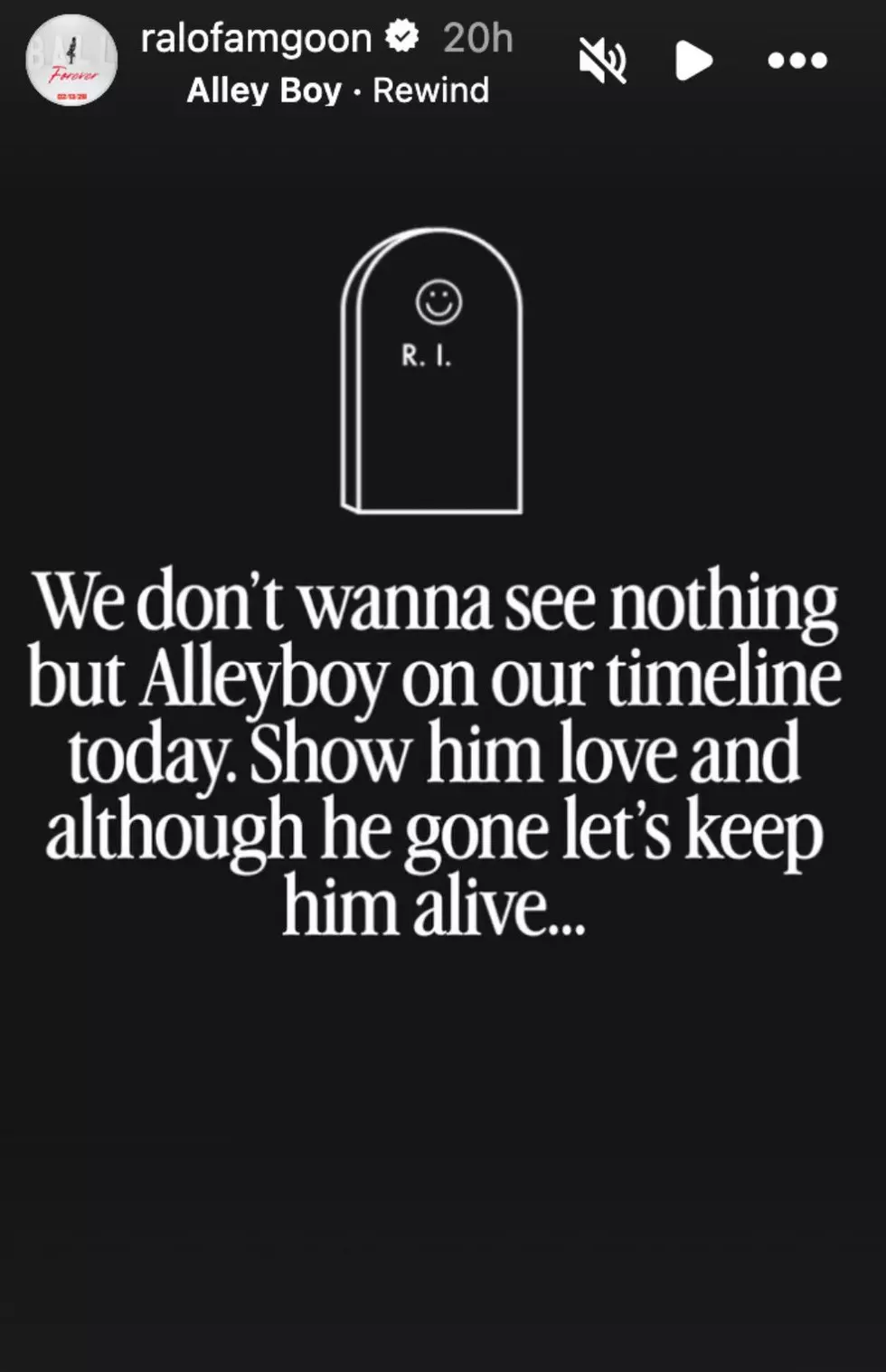
As news of his death reverberated through the industry, a flood of tributes poured in across social media platforms, each offering a unique perspective on Alley Boy’s legacy. 21 Savage, a fellow Atlanta artist, took to his Instagram Story to honor him, writing, "The blueprint east Atlanta legend 4L!!!!!" This sentiment was echoed by DJ Scream, who described Alley Boy as "One of the BEST out the city ever. Hands down! Alley Boy bless up!" Ralo, another artist, urged his followers to keep Alley Boy’s memory alive, stating on his story, "We don’t wanna see nothing but Alley Boy on our timeline today. Show him one and although he gone let’s keep him alive…"
These tributes, shared through Instagram Stories and other social media channels, painted a picture of a respected artist and a beloved figure within the hip-hop community. The images accompanying these messages, some featuring throwback photos of Alley Boy with his daughter, others showcasing the heartfelt messages from his peers, served as a poignant visual testament to the enduring impact of his life and career. The loss of Alley Boy signifies the departure of an artist who not only contributed significantly to the sonic tapestry of Southern hip-hop but also bravely shared his personal struggles, inspiring many along the way. His narrative serves as a stark reminder of the health challenges that can arise from substance use and the critical need for awareness and support within the music industry and beyond.
