
 By admin
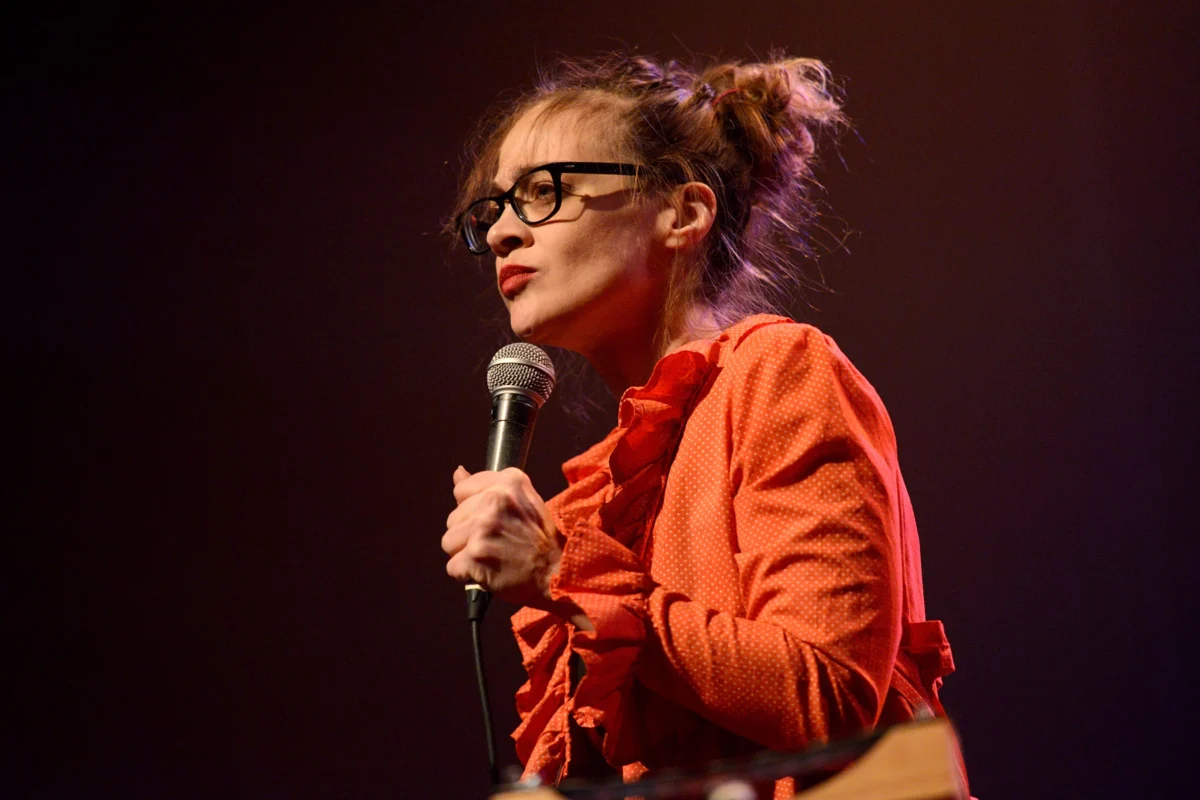
HangupsMusic.com – Fiona Apple, the enigmatic and critically acclaimed artist known for her profound lyrical depth and unflinching candor, has once again lent her distinctive voice to a cause far grander than mere entertainment. In a collaborative effort with her touring band, The Bolt Cutters, Apple has unveiled a soul-stirring rendition of Mother Earth’s 1968 protest anthem, “Revolution.” This powerful new track is slated for inclusion on the eagerly anticipated Dougie Bowne-produced album, Right Now, an initiative designed to channel vital support to Doctors Without Borders, an organization providing humanitarian medical care in conflict zones and regions affected by epidemics and natural disasters worldwide.
The unveiling of this potent cover arrived not through conventional music channels, but via the intimate digital sphere of Instagram, specifically on the account of Zelda Hallman, Apple’s long-time confidante and roommate. This unconventional release method is characteristic of Apple’s unique approach to connecting with her audience, often opting for direct, unvarnished communication over traditional promotional cycles. The recording itself is a testament to modern collaboration, with the members of The Bolt Cutters—comprising Apple, Davíd Garza, Sebastian Steinberg, and Amy Aileen Wood—recording their individual contributions remotely. Spanning various locales from the vibrant energy of Los Angeles to the resonant musical heritage of Houston, and across the diverse landscapes of the East Coast, the ensemble’s parts were masterfully interwoven by Amy Aileen Wood, whose engineering prowess brought their disparate sonic threads into a cohesive and impactful whole, capturing the raw, immediate energy of the present moment.
The timing of this release is far from coincidental, resonating deeply with the recent socio-political currents sweeping across the United States. Following a pivotal week marked by midterm elections that saw significant shifts in the political landscape—a wave optimistically dubbed a “blue tsunami” by many—Apple and her collaborators have chosen to amplify a message of enduring struggle and burgeoning hope. The electoral outcomes, widely celebrated by a significant segment of the music-listening public and progressive communities, imbued the track with an additional layer of timely significance. Apple’s signature vocal delivery, imbued with her characteristic blend of vulnerability and conviction, breathes new life into the timeless lyrics: "There’s a new world a comin’ near/Singing loud and clear/Revolution," she intones, her voice a beacon. "Feel that rumblin’ along the ground; It’s a mighty sound/Revolution." These lines, delivered with such heartfelt conviction, serve as both an acknowledgment of recent victories and a powerful reminder of the ongoing journey towards a more equitable society.
The Instagram post accompanying the track, featuring a collective photograph of the band, extended beyond a simple musical announcement. Hallman’s accompanying statement served as a manifesto, articulating the profound societal shifts she observes: “America is changing. You can feel it. It has a pulse, and it’s growing.” She continued, reflecting on the midterms, stating, “This week’s election gave us something we’ve needed: hope for a more progressive, compassionate, inclusive, and just future. Tuesday was a victory, but only a beginning.” This framing positions the electoral results not as an endpoint, but as a critical juncture, a fresh impetus for continued advocacy and engagement.
The statement then broadened its scope, connecting domestic political shifts to a global tapestry of interconnected struggles. It painted a vivid picture of worldwide activism: “Because something is happening. All across the world, people are marching for justice, freedom, and peace.” The text specifically highlighted acts of solidarity and resistance, citing instances of “dockworkers refusing to lend their labor to weapons shipments,” individuals “confronting ICE, demanding freedom for Palestine, and calling for an end to the bombing of Gaza.” It drew attention to the harrowing realities faced by civilians in conflict zones such as Ukraine, Sudan, the Congo, Yemen, and Myanmar, where populations grapple with the devastating impacts of war, hunger, and displacement. This global perspective underscores the universal nature of the fight for human dignity and peace, transcending geographical boundaries.
Domestically, the statement addressed a litany of urgent social justice issues. It passionately advocated for “reproductive rights, bodily autonomy, health care, and equal protection – regardless of race, religion, gender, or immigration status.” The call for “due process instead of detention and deportation without a fair hearing” resonated with ongoing debates about immigration policy and civil liberties. Furthermore, it emphasized the imperative to honor “treaties with Indigenous peoples and Tribal Nations,” and demanded “justice for Native, Black, and LGBTQ+ communities,” drawing particular attention to “those deaths and disappearances of young people that remain unsolved and poorly explained.” This comprehensive enumeration of grievances and demands positions the "Revolution" as a multifaceted movement, encompassing a wide array of marginalized communities and their fight for fundamental rights.
This latest musical offering and its accompanying message also serve as a profound answer to Apple’s own publicly expressed anxieties from earlier in the year. In July, a video shared through Hallman’s Instagram revealed Apple’s deep struggle with the “endless barrage of horrors” unfolding globally. She spoke candidly about the paralyzing difficulty of focusing and the incessant self-doubt that plagued her creative process, questioning whether she was the right person to speak on such weighty matters, or if she could articulate her feelings effectively. “I just didn’t want you to think that I was turning a blind eye or that I didn’t see what was going on or that I didn’t care. I fucking care,” she declared then, her voice raw with emotion. She concluded with a powerful personal pledge: “I know not everybody’s expecting something from me, but I’m expecting something from me.” The release of "Revolution," therefore, represents a tangible fulfillment of that self-imposed expectation, a demonstration of her commitment to engage with the world’s suffering through her art.
The Friday post, which unveiled the Mother Earth cover, seamlessly wove these previous emotions into a larger call for systemic change. It articulated a clear demand for ethical resource allocation: “Our tax dollars should be spent feeding children, not bombing them while the wealthiest pay nothing and take everything.” It challenged the public to “Question who profits from war and the scramble for resources, from Greenland to the Congo, given our own history of taking Indigenous lands, water, and mineral rights.” This statement meticulously connected the dots between geopolitical conflicts, economic inequality, and historical injustices, asserting that these are not isolated struggles but integral parts of a larger, interconnected fight for human rights.
The message culminated in a powerful synthesis of these diverse movements: “These aren’t separate struggles. They’re demands for dignity, freedom, justice, and love. Above all, we want peace. And we want it NOW!” It served as a rallying cry, urging listeners to recognize the common threads binding various social and political movements. The post concluded with an invitation to collective action and sustained optimism: “Enjoy the music, share the hope, and let’s keep the revolution going and growing.” This sentiment encapsulates the essence of Fiona Apple’s artistic ethos: to not only reflect the complexities of the human experience but to also inspire action and foster a sense of shared responsibility for a better future.
Apple’s engagement with public discourse and her unique methods of sharing her work have become defining characteristics of her career, especially in recent years. Her previous album, Fetch the Bolt Cutters, released in 2020, was met with universal critical acclaim, praised for its raw honesty, experimental sound, and empowering feminist themes. It further solidified her reputation as an artist who operates entirely on her own terms, eschewing industry norms in favor of authenticity. This latest contribution to Right Now and Doctors Without Borders follows another recent musical endeavor; over the summer, Apple released “Horns of a Bull,” an original theme song for the miniseries Lucky, showcasing her continued prolificacy even amidst profound global turmoil. With "Revolution," Fiona Apple and The Bolt Cutters offer more than just a song; they deliver a resonant call to conscience, a reminder that the pursuit of justice is an ongoing, collective endeavor, amplified by the power of art and the unwavering human spirit.
