
 By admin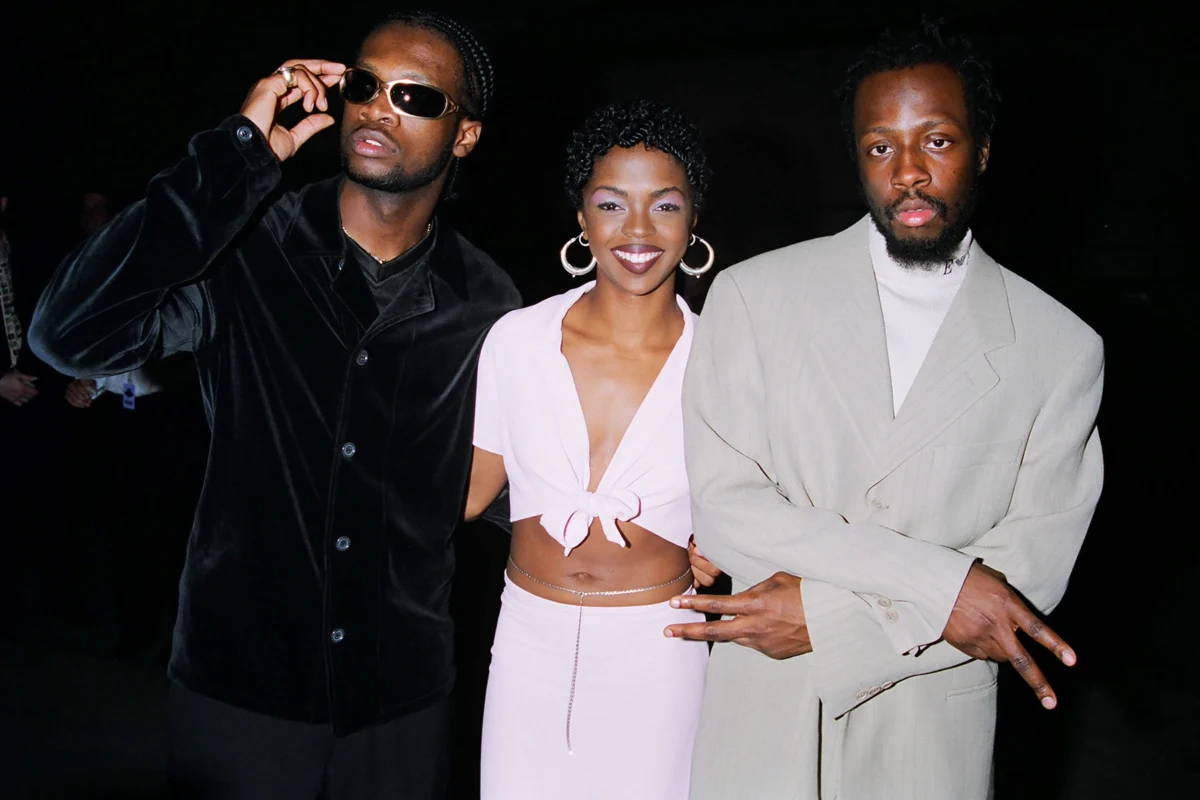
HangupsMusic.com – As the calendar turns to 2026, music enthusiasts are casting their minds back three decades to a pivotal year in hip-hop history: 1996. It was then that a trio from New Jersey, known as The Fugees, released their sophomore album, The Score, an instant classic that not only catapulted them into superstardom but also etched their unique sound into the annals of popular music. This watershed moment, now celebrated in a dedicated episode of the "Greatest Pop Stars" podcast, serves as a poignant reminder of an album that defied categorization, dominated airwaves, and, perhaps most tragically, marked the zenith of a group whose subsequent reunion proved elusive.
Before The Score became a cultural phenomenon, The Fugees – comprising Lauryn Hill, Wyclef Jean, and Pras Michel – had already released Blunted on Reality in 1994. While that debut offered glimpses of their potential with its raw, socially conscious lyrics and genre-blending sound, it failed to ignite widespread commercial success. The mid-90s hip-hop landscape was a volatile and diverse one, characterized by the escalating East Coast-West Coast rivalry, the rise of gangsta rap, and a burgeoning underground scene. It was amidst this complex tapestry that The Fugees, with their distinctive fusion of reggae, soul, R&B, and conscious rap, carved out a space entirely their own.
The Score was not merely an album; it was an immersive experience, a sonic narrative that unfolded like a street-level cinematic masterpiece. From the moment "Red Intro" faded into the infectious groove of "How Many Mics," listeners were drawn into a meticulously crafted world. The album’s production, largely helmed by Wyclef Jean, Jerry ‘Wonder’ Duplessis, and Salaam Remi, was revolutionary, characterized by sophisticated sampling, live instrumentation, and a seamless blend of disparate musical elements. This innovative approach transformed traditional hip-hop structures, creating a sound that felt both familiar and utterly fresh.
The album’s commercial success was meteoric. It soared to the top of the Billboard 200, holding the No. 1 spot for an impressive four weeks and eventually selling millions of copies worldwide. Its singles became inescapable anthems. "Fu-Gee-La" introduced the world to their laid-back yet potent style, showcasing Lauryn Hill’s lyrical prowess and the trio’s undeniable chemistry. But it was their soulful rendition of Roberta Flack’s "Killing Me Softly with His Song" that truly cemented their crossover appeal. Lauryn Hill’s breathtaking vocals transformed the classic into an era-defining hit, resonating with audiences far beyond traditional hip-hop circles and becoming a staple on pop and R&B charts globally. The accompanying video, simple yet powerful, underscored the group’s charisma.
"Ready or Not" further demonstrated their artistic ambition and the album’s cinematic scope. Its lavish, Bond-esque music video, featuring the trio embarking on a high-stakes mission, was a visual spectacle that garnered heavy rotation on MTV. The track itself was a masterclass in production, with its iconic Enya sample and the Fugees’ distinct vocal interplay. Other standout tracks like "No Woman, No Cry," a reggae-infused cover of Bob Marley’s classic, and the introspective "Manifest/Outro" deepened the album’s emotional and thematic range, weaving in elements of Haitian heritage and social commentary. The skits interspersed throughout the album, like the infamous "Chinese Restaurant" interlude, further enhanced the album’s narrative quality, creating an almost theatrical listening experience.

The Fugees themselves were a fascinating study in individual brilliance coalescing into collective genius. Lauryn Hill emerged as an undeniable star, her talents as a rapper, singer, and songwriter setting a new benchmark for female artists in hip-hop and R&B. Her lyrical dexterity, powerful voice, and magnetic stage presence were captivating. Wyclef Jean, the group’s primary producer and a multi-instrumentalist, was the eccentric visionary, constantly pushing sonic boundaries with his inventive beats and eclectic influences. Pras Michel provided the grounded, streetwise counterpoint, his verses often anchoring the group’s narratives with a raw authenticity. Their individual strengths, however, also hinted at the diverging paths they would soon take.
The "Greatest Pop Stars" podcast, with host Andrew Unterberger and Billboard Hip-Hop’s Angel Diaz (a fellow New Jersey native), delves into the profound impact of The Score and the subsequent fragmentation of the group. One of the central questions explored is whether Lauryn Hill’s colossal solo success with The Miseducation of Lauryn Hill (1998) unfairly overshadows the collective impact of The Fugees. While The Miseducation remains a landmark album, it’s undeniable that The Score laid the groundwork for her widespread recognition. The podcast also prompts a re-evaluation of Wyclef and Pras’s contributions, questioning if their roles have become underrated in the shadow of Hill’s singular brilliance. Wyclef’s The Carnival (1997) was a critically acclaimed solo debut that further showcased his genre-bending artistry, while Pras carved out his own niche with hits like "Ghetto Supastar (That Is What You Are)."
The discussion also tackles the perception of The Fugees as "hip-hop for suburban white kids." While The Score‘s crossover appeal was undeniable, drawing in a diverse audience, the album’s lyrical depth, social consciousness, and raw authenticity firmly rooted it within hip-hop culture. Its accessibility didn’t diminish its artistic integrity; rather, it expanded hip-hop’s reach. The podcast thoughtfully examines how "Killing Me Softly" transcended its cover status to become a definitive track of the era, and how the satirical "Chinese Restaurant" skit might be received differently in today’s hypersensitive cultural climate. It also wistfully reflects on the era of million-dollar music video budgets, epitomized by "Ready or Not," a level of artistic investment rarely seen in today’s music industry.
Perhaps the most poignant question that lingers 30 years later is the one that echoes throughout the podcast: "How much did we miss out not ever getting a third Fugees album?" The dream of a follow-up to The Score was tantalizing but ultimately dashed by internal conflicts, personal drama, and divergent career aspirations that began to surface even during the album’s peak. The creative friction that fueled their magic eventually became too great, leading to a hiatus that would become permanent. Despite sporadic, often fraught, reunion attempts over the years – notably a brief tour in 2021 that was ultimately canceled – the original spark of The Fugees proved impossible to fully rekindle.
The Score‘s legacy is multifaceted. It proved that hip-hop could be both commercially successful and artistically profound, seamlessly blending genres while delivering powerful messages. It showcased the immense talent of three distinct personalities who, for a brief, glorious period, created something truly groundbreaking. As we look back three decades, The Score remains a testament to what happens when raw talent, innovative production, and undeniable chemistry converge, leaving behind a masterpiece that continues to resonate and inspire. The "Greatest Pop Stars" podcast offers a timely and essential deep dive into this pivotal chapter of music history, inviting listeners to revisit a truly cinematic moment frozen in time.
Listeners can find the "Vintage Pop Stardom" episode of the "Greatest Pop Stars" podcast on Apple Music, Spotify, or wherever they access their podcasts for weekly discussions on all aspects of pop stardom.
