
 By Rose Miami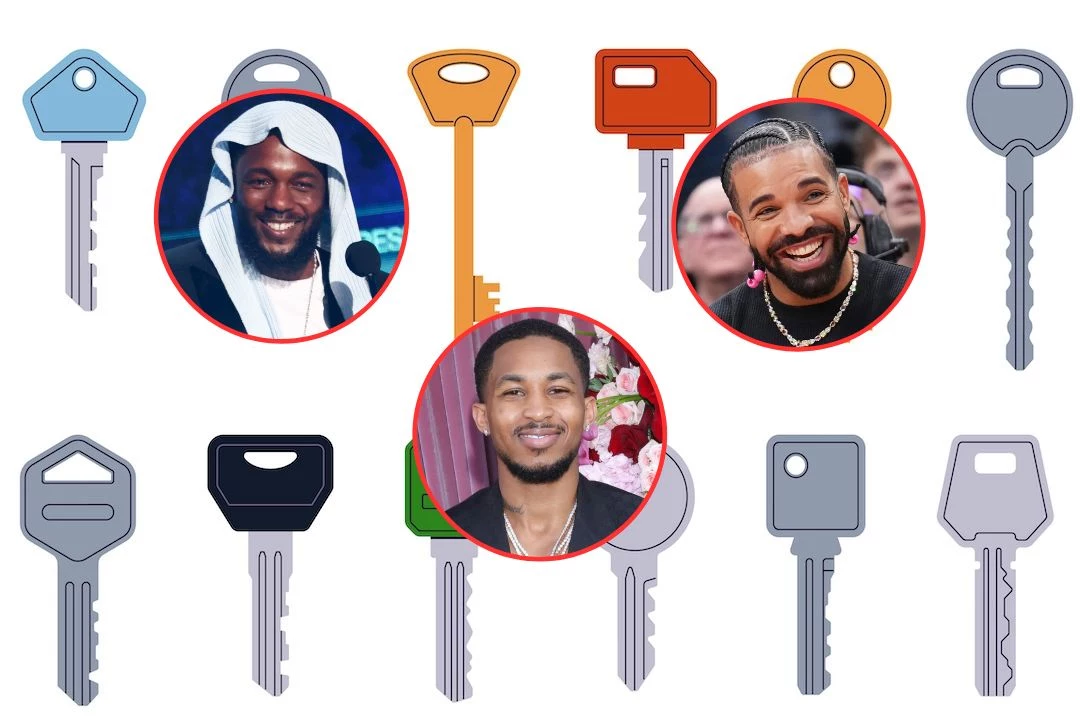
HangupsMusic.com – For over five decades, since the foundational beats of DJ Kool Herc first reverberated through Bronx block parties in 1973, the ethos of giving back to the community has been an unwavering pillar of hip-hop culture. This commitment to uplifting the neighborhoods that birthed the genre is deeply woven into its very fabric. Among the most esteemed forms of recognition for this dedication is the presentation of a key to the city, a time-honored civic honor that signifies more than mere popularity.
The tradition of bestowing a key to a city dates back centuries, historically representing an open invitation and a symbol of trust and goodwill bestowed upon esteemed individuals. In contemporary times, when this honor is granted to a rapper or hip-hop executive, it speaks volumes. It acknowledges not only a significant positive impact on the community as a whole but also suggests a profound, almost familial, belovedness by the very places they represent. These keys are not simply ceremonial trinkets; they are tangible acknowledgments of artists who have leveraged their platforms to inspire, uplift, and advocate for their hometowns and beyond.
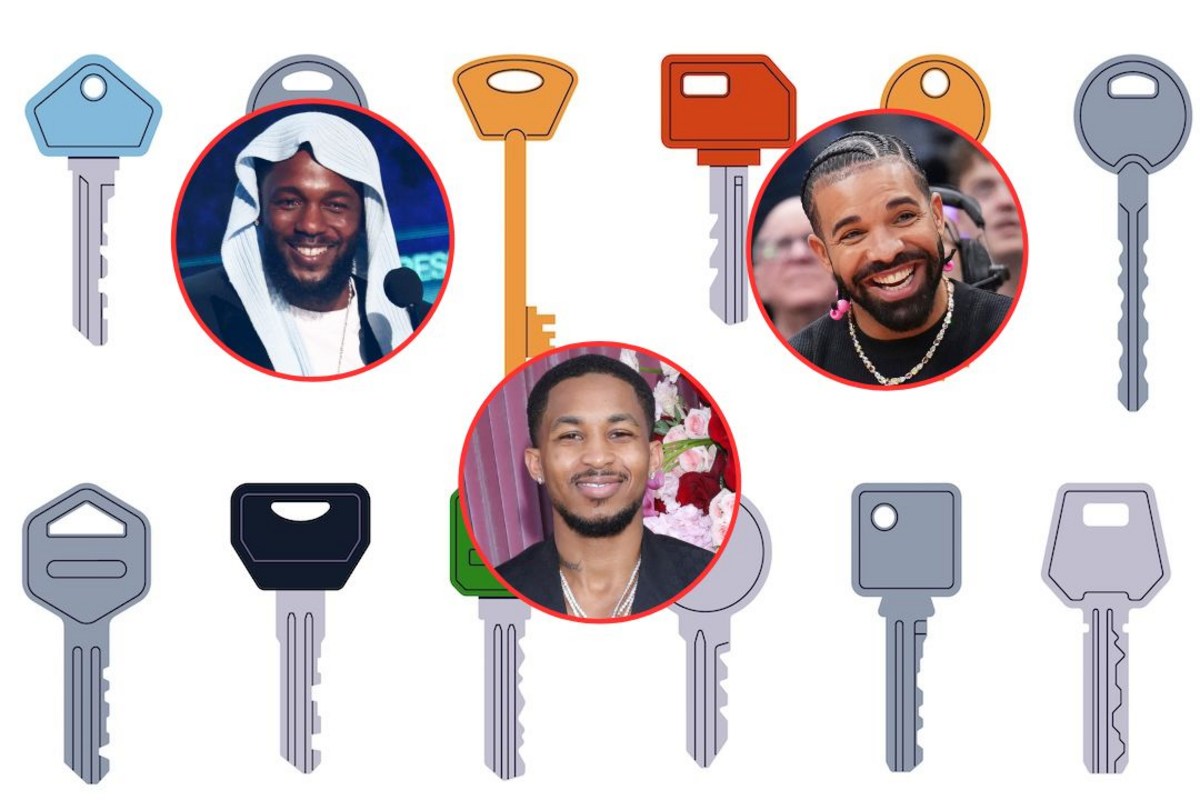
Major cities across the nation have, over the years, recognized the immense cultural and social contributions of hip-hop luminaries by presenting them with these coveted keys. Take, for instance, the pride evident in the voice of DDG, who was honored by his hometown of Pontiac, Michigan, with a key in April 2026. This multifaceted artist, who has successfully transitioned from rapper to prominent streamer, was celebrated for his unwavering commitment to giving back and for consistently representing his roots on a global stage through both his music and his expansive online presence. His journey exemplifies how modern artists can bridge different creative avenues while remaining grounded in their community.
The global reach of hip-hop is perhaps best symbolized by the accolades bestowed upon its international stars. In June 2023, Toronto, Canada, a city deeply intertwined with the rise of its most famous musical export, presented its key to the city to Drake. The OVO founder, a figure synonymous with Toronto’s modern identity, eloquently described the moment as "one of the greatest moments" of his life, underscoring the deep personal significance of such an honor from one’s home. This gesture highlighted not just his musical achievements but his role as a cultural ambassador for the city.
Closer to the genre’s birthplace, the city of Compton, California, a legendary crucible of hip-hop talent, bestowed its key upon Kendrick Lamar in June 2016. This prestigious award lauded the hometown MC as a "phenomenal artist whose work has served as a catalyst to raise a new level of consciousness for this generation." Lamar’s lyrical prowess and his consistent exploration of societal issues have resonated deeply, making him a voice of his generation and a powerful advocate for his community’s experiences and challenges. His work transcends mere entertainment, offering profound social commentary that has earned him widespread civic and critical acclaim.
These instances are far from isolated. Throughout the history of hip-hop, numerous artists and industry figures have been recognized with keys to their respective cities, underscoring the genre’s enduring impact on urban landscapes and cultural discourse. The presentation of these keys serves as a powerful testament to the fact that hip-hop artists are not just entertainers but also influential figures who actively contribute to the social, economic, and cultural vitality of their communities.
The journey from the raw energy of the South Bronx to the hallowed halls of city government is a testament to hip-hop’s evolution and its undeniable influence. The artists who receive these keys often do so through dedicated philanthropic efforts, mentorship programs, and the creation of platforms that empower youth and foster economic development. They become living embodiments of their cities’ aspirations and resilience, inspiring future generations to reach for their own greatness.
For example, artists like Nas have been honored by New York City, not just for his lyrical mastery that has painted vivid portraits of urban life, but also for his community-focused initiatives. His involvement in educational programs and his advocacy for underserved communities have cemented his status as a true cultural leader. Similarly, artists from the South, such as T.I. in Atlanta, have been recognized for their entrepreneurial ventures and their commitment to revitalizing their neighborhoods. These keys represent a mutual respect and a shared vision for progress.
Beyond the individual artists, hip-hop executives and pioneers have also been acknowledged for their instrumental roles in shaping the industry and fostering its growth. Figures who have built record labels, managed artist careers, and championed new talent often receive these honors, recognizing their broader impact on the economic landscape and cultural output of a city. Their contributions, though perhaps less visible to the general public than an artist’s performance, are crucial to the sustained success and influence of hip-hop.
The significance of these keys extends beyond the symbolic. They often serve as a catalyst for further community engagement and investment. When a city officially recognizes an artist with such an honor, it signals an endorsement of the values that artist represents and encourages greater collaboration between the arts community and civic leadership. This can lead to new cultural initiatives, increased tourism, and a strengthened sense of civic pride.
As hip-hop continues to evolve and permeate global culture, the tradition of awarding keys to the city is likely to persist, recognizing new generations of artists and executives who embody the genre’s core values of creativity, resilience, and community empowerment. These keys are more than just acknowledgments of past achievements; they are affirmations of hip-hop’s enduring legacy and its vital role in shaping the future of our cities and our society. The artists who hold these keys are not just celebrated individuals; they are integral parts of the urban tapestry, woven into the very fabric of the places they call home, forever a part of their civic narrative.
