
 By Rose Miami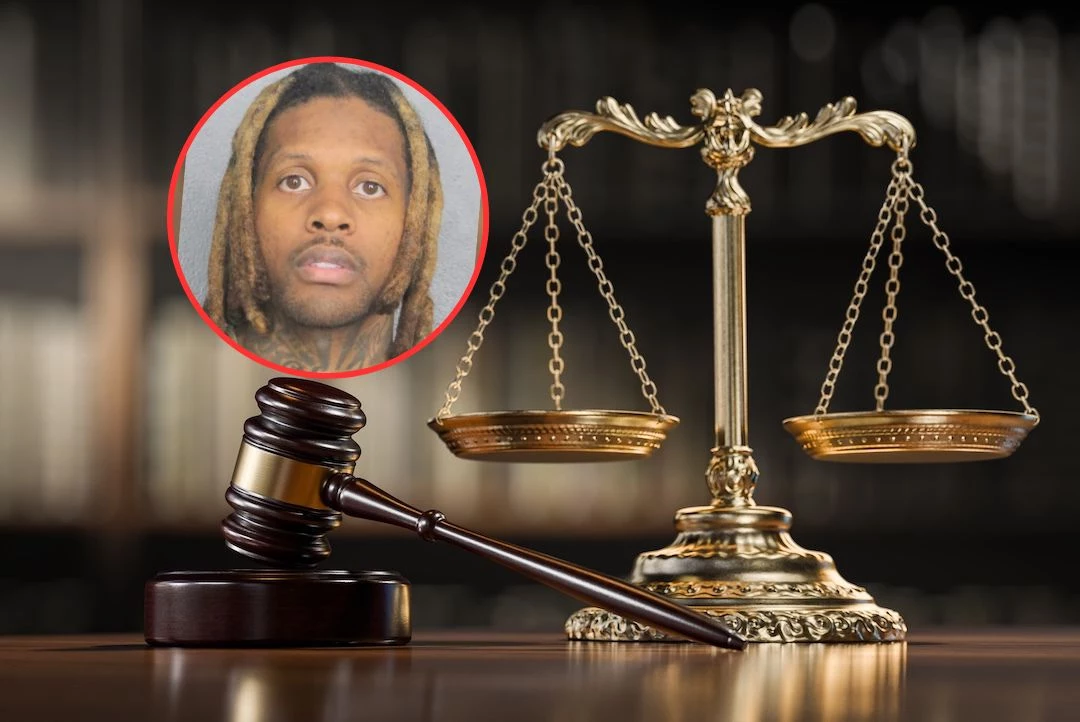
HangupsMusic.com – Chicago, IL – In a pivotal development in the ongoing murder-for-hire trial, renowned rapper Lil Durk, whose legal name is Durk Banks, will not be taking the witness stand to present his defense. The decision was confirmed by journalist Michael Blackshire on Thursday, marking a significant moment as the defense team concluded its presentation of evidence. Blackshire’s report, disseminated via the social media platform X, explicitly stated that Banks, along with his co-defendants Deandre Wilson (also known as OTF Dede) and David Lindsey (identified as Browneyez), have elected not to testify. This strategic move by the defense team underscores a commitment to their chosen legal strategy, opting to let the presented evidence and arguments speak for themselves.
The trial, which has now entered its tenth day, centers on grave allegations that Lil Durk orchestrated a retaliatory hit in 2022 against rapper Quando Rondo. This alleged plot is reportedly a direct consequence of the 2020 murder of Lil Durk’s close associate and fellow artist, King Von. While Quando Rondo himself survived the incident, his cousin, Saviay’a “Lul Pab” Robinson, tragically lost his life during the violent encounter. The prosecution aims to prove Durk’s direct involvement in planning and executing this violent act, presenting a case that could lead to a life sentence if he is convicted.

Over the course of the past week, Lil Durk’s defense has marshaled a diverse array of witnesses to bolster their case. These individuals represent various facets of the rapper’s life and professional dealings, aiming to establish his distance from the alleged conspiracy. Among those who took the stand were Tonya Johnican, the sister of Durk’s former security personnel known as “Big Country,” providing insight into his security arrangements. Kevin Freeman, associated with Durk’s non-profit initiative, Neighborhood Heroes, also testified, likely to highlight Durk’s community involvement and philanthropic efforts as a counterpoint to the criminal allegations. Shekema “Queen Kema” Springfield, identified as the mother of one of King Von’s children, offered testimony that could shed light on the emotional and relational context surrounding the events.
Further strengthening the defense’s narrative were testimonies from Sanchay “Dharmic” Jain, the former Senior Vice President of Marketing at Alamo Records, the label Lil Durk is signed to. His testimony could potentially address contractual obligations or professional relationships that might be misconstrued. Additionally, the wife of OTF Jam and Durk’s ex-girlfriend were among the witnesses called, suggesting an effort to present a comprehensive picture of Durk’s personal life and relationships, potentially to challenge the prosecution’s claims of his direct involvement in criminal planning.
The core of Lil Durk’s defense strategy appears to be a deliberate attempt to shift the focus of blame. His legal team is asserting that Durk had no part in the alleged murder-for-hire plot. Instead, they contend that one of the individuals accused alongside him, Kavon Grant, widely known as OTF Vonnie, was the true architect and orchestrator of the entire operation. This defense positions Grant as the "mastermind," aiming to create reasonable doubt regarding Durk’s culpability by presenting an alternative perpetrator.

Lil Durk has maintained a plea of not guilty to all charges leveled against him. The gravity of the accusations is underscored by the potential sentence of life imprisonment should he be found guilty. As the trial progresses, the legal proceedings are now building towards the critical stage of closing arguments, which are slated to commence on Tuesday, September 8th. These arguments will serve as the final opportunity for both the prosecution and the defense to summarize their cases and persuade the jury before deliberations begin. The outcome of this trial is keenly watched by fans and industry observers alike, given Lil Durk’s prominent status in contemporary hip-hop.
The decision for Lil Durk and his co-defendants to forgo their right to testify is a calculated risk. It suggests a confidence in the evidence presented by their legal teams and a belief that their testimonies might expose them to damaging cross-examination that could outweigh any potential benefits. The defense has likely assessed that the testimonies of their other witnesses, combined with the cross-examination of prosecution witnesses, are sufficient to create the necessary doubt for an acquittal. The coming days will reveal the effectiveness of this strategy as the court moves towards its final stages.
