
 By Azzam Bilal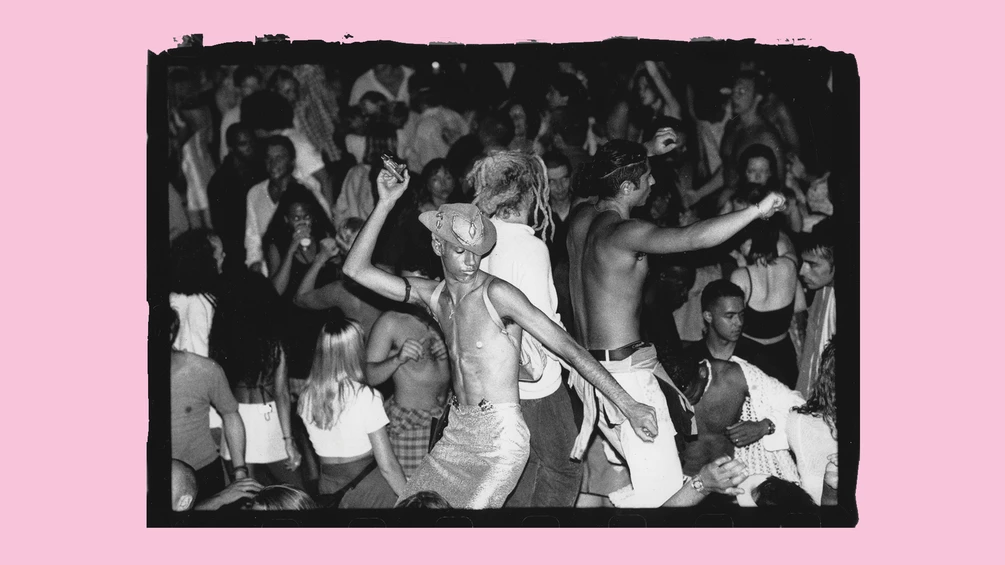
HangupsMusic.com – Ibiza, After nearly two decades of silence, the echoes of the White Isle’s most subversive and legendary gathering are set to resonate once more. Manumission, a name that remains etched into the bedrock of global clubbing folklore, is preparing for a monumental return. For many, the brand is synonymous with the unbridled excess of Ibiza’s second golden age—a time of naked acrobats, sprawling theatrical displays, and a level of debauchery that fueled tabloid headlines for years. However, as the event prepares for its first iteration in eighteen years, founders Mike and Claire Manumission are looking to steer the narrative away from mere sensationalism and back toward the radical, inclusive philosophy that originally birthed the movement.
Scheduled for the final weekend of September 2026, "Le Weekend Manumission" is not being framed as a simple nostalgia act. Instead, it is a meticulously planned three-day takeover across three of Ibiza’s most storied venues: Pikes, 528, and the Ibiza Rocks Bar. The objective is nothing less than a full-scale temporal reconstruction of 1998, a year many consider the pinnacle of the party’s creative and cultural influence. This revival aims to remind the world that beneath the surface-level provocations was a deeply rooted attempt to create a temporary utopia—a place where social hierarchies dissolved and the boundaries between performer and spectator ceased to exist.
The origins of Manumission were far removed from the sun-drenched shores of the Mediterranean. The party first drew breath in the queer nightlife and countercultural underground of Manchester. When it eventually migrated to Ibiza in the mid-1990s, it brought with it a Northern grit and a defiant, anti-establishment attitude. The name itself, derived from the Latin term for the act of a slave owner freeing their slaves, served as a mission statement. At a time when Ibiza was beginning its slow tilt toward the hyper-commercialized destination it is today, Manumission stood as a bastion of genuine freedom. It began its island life at the Coco Loco Bar within Ku Club—the venue that would eventually become the world-renowned Privilege—before moving to Amnesia in 2007.
At its peak, Manumission was a logistical marvel, filling Privilege with upwards of 8,000 people every week. It predated the modern obsession with "immersive experiences" by decades, blending elements of high-concept theatre, cabaret, social commentary, and circus arts into a singular sensory assault. Yet, according to Mike and Claire, the spectacle was always secondary to the community. They describe the "Manumission family" as a sprawling collective of designers, set builders, drag artists, and runaways who all contributed to a shared vision. In the 1990s, the island served as a refuge for outsiders, and Manumission was their cathedral. It was a space where one’s professional status or social standing was irrelevant; the only currency that mattered was self-expression.
A central pillar of this mythology was "The Motel." In 1998, the founders acquired a dilapidated former brothel on the outskirts of Ibiza Town, transforming it into a pink-hued sanctuary for the weird and wonderful. The Manumission Motel became a legendary site of artistic incubation and around-the-clock revelry. While the world’s media was largely barred from entry, the vacuum of information allowed the motel’s legend to grow to mythic proportions. Claire Manumission has recently sought to provide a definitive account of this era in her memoir, The Motel: High Times in 90s Ibiza. The book serves as a primary source for the upcoming revival, offering a gritty, first-hand look at the chaos and creativity that defined the decade.
The decision to bring the party back now is driven by a feeling that modern nightlife has lost its soul to the pressures of social media and VIP culture. Mike and Claire argue that the current landscape of clubbing is often more about being seen than being present. To combat this, "Le Weekend Manumission" will enforce a strict ban on mobile phones, encouraging guests to lose themselves in the moment rather than documenting it for an audience. The founders believe the world currently lacks spaces of true acceptance and unscripted human connection—the very things that made the original run so vital.
The logistical scale of the September revival is ambitious. To ensure the 1998 aesthetic is captured with "ultra-high definition" accuracy, the team has recruited creative heavyweights from some of the UK’s most immersive festivals, including Glastonbury’s Shangri-La and Boomtown. These designers are tasked with recreating the facade of the original Manumission Motel and other iconic "zones" from the party’s history. Among the planned installations are "Le Théâtre Pink Pussy," a New York-inspired performance space, and the "Hellfire in the Hong Kong Hot Tub," a legendary hangout where Detroit techno met Balearic house in a setting of steam and cold showers.
Music will be a critical component of the time-travel experiment. Mike Manumission has stated that no music produced after 1998 will be played during the event, ensuring that the sonic environment remains consistent with the era they are recreating. This commitment to authenticity extends to the costumes and technology used throughout the weekend. With collaborators ranging from Milanese fashion designers to Barcelona’s premier drag troupes, the event is shaping up to be a living, breathing museum of 90s counterculture.
The venues chosen for the return hold significant weight. Pikes, the legendary hotel known for its association with Freddie Mercury and George Michael, serves as the spiritual home for the island’s more eccentric tendencies. 528, an expansive outdoor venue nestled in the hills, is described by Claire as "Ku with the roof taken off," offering the kind of open-air freedom that characterized Ibiza before the widespread enclosure of its dancefloors. These spaces are now part of an "empire" managed by Andy McKay, Mike’s brother and co-founder, whose involvement was the final piece of the puzzle required to make the reunion a reality.
The hiatus that began eighteen years ago was not due to a lack of success. On the contrary, the party was at its commercial and cultural zenith when it abruptly stopped. The reasons for the closure were a complex mix of political friction with club owners and a personal desire by Mike and Claire to step back from the front lines of nightlife to raise their children. Reflecting on that period, Claire notes that the distance allowed the founders to grow individually as artists and screenwriters. Now, they are returning to their most famous creation with a renewed sense of purpose and a desire to reclaim the narrative from those who would reduce Manumission to a series of scandalous anecdotes.
As the September dates approach, the anticipation on the island is palpable. For those who were there in the 90s, it is an opportunity to revisit a formative era. For a younger generation who only know the name through stories and grainy footage, it is a chance to experience a style of clubbing that prioritizes risk, art, and radical inclusion over safety and corporate branding. "No one has dared to replicate the magic because the personal and professional risk involved in doing something like Manumission is too high," Claire observes. By stepping back into that storm, the Manumission team is making a bold statement about the enduring power of the underground. In an era of curated experiences, the return of Ibiza’s most notorious event promises something increasingly rare: the chance to get truly, authentically lost.
