
 By Azzam Bilal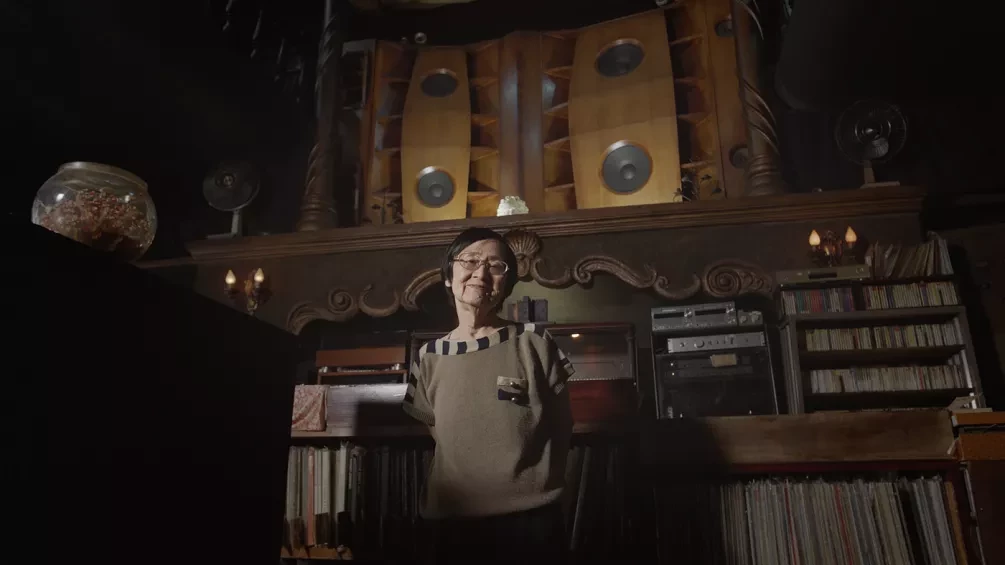
HangupsMusic.com – London, the rhythmic pulse of Tokyo’s legendary "jazz kissa" and listening bar culture is set to vibrate through the streets of London this March. The highly anticipated documentary series A Century in Sound, a definitive six-part exploration of Japan’s unique relationship with high-fidelity audio and communal listening, will finally make its London premiere. This cinematic journey does more than merely document a trend; it charts a hundred-year evolution of a soundscape that has shaped the way the world perceives the intersection of music, technology, and social space. Following its successful runs at international festivals like Copenhagen’s CPH:DOX and the Melbourne International Film Festival, the series arrives in the United Kingdom for a prestigious screening at the Barbican, accompanied by an expansive week of satellite events across the capital’s most revered audiophile haunts.
Directed by Nick Dwyer—the creative force previously known for his deep dives into Japanese video game music with Diggin’ in the Carts—A Century in Sound provides an intimate look at the shifting tides of Tokyo’s listening culture. The series begins its narrative in the early 20th century, tracing the roots of the "Jazz Kissa." These were establishments born out of necessity and a deep-seated passion for Western music during an era when imported records and high-end sound systems were prohibitively expensive for the average citizen. In these dimly lit, smoke-filled rooms, the act of listening was treated as a sacred ritual. Patrons would sit in silence, sipping coffee or whiskey, as a proprietor carefully placed a needle on a vinyl record, allowing the room to be swallowed by the warmth of vacuum tube amplifiers and massive horn speakers. Dwyer’s lens captures how this philosophy survived the firebombings of World War II, the economic boom of the 1980s, and the digital revolution, eventually evolving into the modern "listening bar" phenomenon that is currently sweeping through cities like London, New York, and Berlin.
The London premiere is scheduled for March 22nd at the Barbican, a venue whose brutalist architecture provides a fittingly stark and resonant backdrop for a film about the physics and emotion of sound. The screening will be followed by a transition from the screen to the speakers, as the celebration moves to Spiritland in King’s Cross. Spiritland has long been considered one of London’s premier answers to the Japanese listening bar model, boasting a bespoke, world-class sound system designed for transparency and depth. Providing the soundtrack for the evening is Kay Suzuki, the Japan-born, London-based DJ and producer who helms the Time Capsule record label. Suzuki’s work is synonymous with the very ethos of the documentary; his label focuses on "time travel through sound," reissuing obscure, high-quality recordings that bridge the gap between disparate cultures and eras.
This premiere acts as the catalyst for a week-long residency of talks, screenings, and curated listening sessions that highlight the growing synergy between Tokyo and London’s music scenes. On March 29th, the series will move to the historic Rio Cinema in Dalston, offering East London’s vibrant community of music lovers a chance to experience Dwyer’s visual storytelling. The choice of venues reflects the documentary’s own themes: the preservation of history within modern, urban environments.
One of the most anticipated satellite events takes place on March 30th at JUMBI in Peckham. JUMBI, a venue that has quickly become a cornerstone of London’s contemporary music landscape, focuses on the heritage of the African Caribbean diaspora through a high-fidelity lens. The event, titled "Dennis Bovell presents Ryuichi Sakamoto’s ‘Riot in Lagos’," represents a profound cross-cultural dialogue. Dennis Bovell, a giant of UK dub and reggae and a pioneer of the "Lovers Rock" genre, will explore the impact of the late Ryuichi Sakamoto’s electronic masterpiece. "Riot in Lagos," released in 1980 as part of the B-2 Unit album, is widely cited as a foundational track for the development of hip-hop and electro. Bovell’s connection to the track—having been a contemporary of Sakamoto’s during the experimental post-punk era—adds a layer of historical weight to the evening. Support for this event comes from the eclectic selector Anu and the aforementioned Kay Suzuki, ensuring a sonic palette that ranges from avant-garde Japanese synthesis to deep, rhythmic bass.
The week’s programming continues to weave through the city’s specialized audio bars, including Jazu, Mad Cats, and Space Talk. These venues represent the "new era" of listening bars—spaces that maintain the high-fidelity standards of the original Japanese kissas but adapt them for a more social, contemporary audience. Guest appearances throughout the week include Colleen "Cosmo" Murphy, the founder of Classic Album Sundays and a protégé of the legendary David Mancuso. Murphy’s involvement underscores the global lineage of this culture, connecting the dots between Tokyo’s kissas, New York’s "The Loft," and London’s current audiophile revival. Other notable contributors include jazz historian and producer Tony Higgins, as well as Mari Kimura, further enriching the discourse around the preservation and evolution of recorded sound.
The significance of A Century in Sound lies in its ability to articulate why these spaces matter in a digital age. In a world where music is often consumed as a disposable background commodity via low-bitrate streams and smartphone speakers, the listening bar offers a necessary antithesis. It is a space for "deep listening," a concept championed by composer Pauline Oliveros that encourages a mindful, physical engagement with sound. The documentary highlights the obsessive craftsmanship of the masters—the "masters" or proprietors of these bars—who spend decades fine-tuning their systems, matching specific cartridges to specific tonearms to ensure that a record sounds exactly as it was intended.
Director Nick Dwyer’s journey to bring this series to fruition involved years of immersion in Tokyo’s hidden backstreets, gaining the trust of notoriously private bar owners. These proprietors are the custodians of an intangible cultural heritage, maintaining collections of thousands of rare pressings and maintaining vintage equipment that requires constant, expert care. By bringing these stories to London, Dwyer bridges a geographical gap, showing that the desire for high-quality audio and a communal space to appreciate it is a universal human impulse.
The documentary also serves as a poignant tribute to the late Ryuichi Sakamoto, whose influence looms large over the series and the associated events. Sakamoto was not only a pioneer of electronic music but also a fierce advocate for environmental sound and the "right to listen." His work often explored the tension between the natural world and the industrial soundscape of the modern city, a theme that resonates deeply with the history of Tokyo’s listening bars, which often serve as sanctuaries of quietude and focus amidst the neon-lit chaos of the metropolis.
As the global interest in vinyl and high-end audio continues to surge, A Century in Sound provides the necessary historical context to understand the movement’s roots. It is not merely about the equipment; it is about the philosophy of the "listening experience." The London premiere and the subsequent week of events offer a rare opportunity for enthusiasts to engage with this history firsthand, hearing the stories of the past through the speakers of the present. Whether at the Barbican, the Rio Cinema, or the intimate booths of JUMBI and Spiritland, the message is clear: the history of sound is a living, breathing entity, and its next chapter is being written in the shared silence of the listening room.
