
 By Rose Miami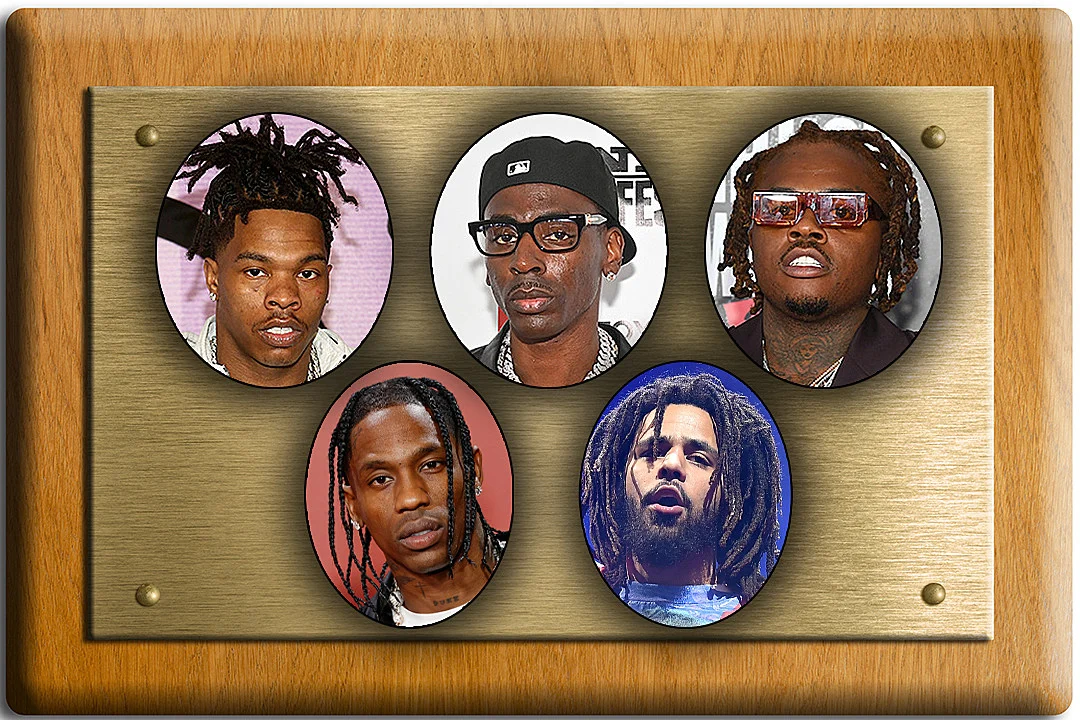
HangupsMusic.com – Beyond the platinum plaques and sold-out arenas, a distinct form of recognition has emerged for some of hip-hop’s most influential figures: their very own honorary days. This unique acknowledgment, bestowed by cities and even states across the United States, transcends the typical accolades of the music industry. It signifies a deeper impact, celebrating not only artistic achievement but also profound community engagement and philanthropic endeavors that resonate far beyond the confines of a recording studio or a concert stage. While many artists are laser-focused on chart dominance and career milestones, a select few have demonstrated a commitment to their roots and broader societal betterment, earning them a place of honor on the calendar.
This burgeoning tradition highlights a fascinating dichotomy: the raw, often gritty artistry of rap music being celebrated through official civic recognition. It’s a testament to the genre’s evolution from a counter-cultural movement to a dominant force in global culture, capable of inspiring tangible positive change. These honorary days are not merely symbolic gestures; they are official proclamations that imbue a specific date with meaning, encouraging reflection on the artist’s contributions and often serving as a platform for continued community service and celebration.
One prominent example of this honor is the recognition bestowed upon Atlanta’s own Dominique "Lil Baby" Jones. In late 2022, the Grammy-winning artist was celebrated by his hometown with the official proclamation of "Dominique ‘Lil Baby’ Day." This honor, announced via his Instagram, specifically cited his "successful career and his generous philanthropy." Consequently, November 13th is now permanently etched in the city of Atlanta’s history as a day dedicated to honoring the multiplatinum artist who rose from its streets. Lil Baby’s consistent dedication to giving back, from supporting local initiatives to investing in his community’s future, has clearly resonated with the city leadership, solidifying his legacy beyond his chart-topping hits.
The spirit of recognizing rappers for their societal contributions extends to other notable figures, even in the wake of tragedy. In 2021, following the untimely death of Adolph "Young Dolph" Thornton Jr., Tennessee Senator Katrina Robinson proclaimed November 17th as "Adolph ‘Young Dolph’ Thornton Jr. Day of Service." This profound tribute, officially recognized in both Tennessee and Georgia, serves as an annual call to action, encouraging acts of goodwill and benevolence across the nation. Dolph, known for his authentic voice and unwavering commitment to his community, embodied a spirit of generosity and resilience that this day aims to perpetuate. His legacy, therefore, is not only preserved through his music but actively honored through the collective efforts of a community inspired by his example.
The influence of hip-hop’s pioneers and contemporary titans is further underscored by the numerous honorary days dedicated to them. Artists like Drake, whose global impact is undeniable, have also been recognized by their respective cities. Kanye West, a figure who has consistently pushed creative boundaries and sparked cultural conversations, has likewise been the recipient of such civic acknowledgments. The legendary Wu-Tang Clan, a collective that redefined the landscape of hip-hop with its intricate lyricism and raw energy, has also had days dedicated to celebrating their enduring legacy and influence. These honors are not limited to solo artists; the collective impact of influential groups is also being acknowledged.

This phenomenon is not confined to a single region or generation. From the East Coast to the West Coast, and even across international borders, cities have sought to immortalize the contributions of rappers. These honorary days serve as powerful reminders of the genre’s cultural weight and its artists’ ability to transcend music and become significant cultural ambassadors. They represent a recognition that hip-hop artists are not just entertainers but also community builders, entrepreneurs, and influential voices shaping societal discourse.
The criteria for such recognition often extend beyond mere commercial success. While chart performance and critical acclaim are certainly factors, the most impactful honorary days are typically awarded to artists who have demonstrated a consistent commitment to their communities. This can manifest in various ways: establishing foundations, funding educational programs, supporting local businesses, advocating for social justice, or spearheading charitable initiatives. These actions paint a picture of artists who are deeply invested in the well-being of the places they call home and the people who have supported their rise.
For instance, the city of Houston has honored Travis Scott, acknowledging not only his musical achievements but also his entrepreneurial spirit and his efforts to revitalize his hometown. Similarly, Nas, a lyrical icon whose work has profoundly influenced generations, has been celebrated in Queens, New York, recognizing his deep connection to his roots and his consistent artistic integrity. These acknowledgments highlight a broader understanding of an artist’s contribution, encompassing their cultural impact, their economic influence, and their role as a source of inspiration.
The establishment of these honorary days also signifies a shift in how hip-hop is perceived by mainstream society and civic institutions. What was once often marginalized or misunderstood is now being embraced and celebrated as a vital part of the American cultural tapestry. These proclamations are not just for the artists themselves; they are also for the communities that these artists represent and inspire. They offer a sense of pride and affirmation, particularly for younger generations who see their cultural heroes recognized on an official level.
Furthermore, these honorary days can serve as powerful educational tools. They provide opportunities for cities and organizations to highlight the positive aspects of hip-hop culture, showcasing its potential for social good and community development. Events and initiatives often accompany these proclamations, further amplifying the artist’s philanthropic efforts and encouraging wider participation in civic engagement.
As hip-hop continues to evolve and its artists continue to reach new heights of influence, it is likely that we will see even more rappers being honored with their own dedicated days. This trend underscores the genre’s enduring power to connect, inspire, and create lasting positive change. It is a recognition that the impact of these artists extends far beyond the ephemeral nature of hit songs, resonating deeply within the communities they represent and beyond, solidifying their place not just in music history, but in civic history as well.
