 By admin
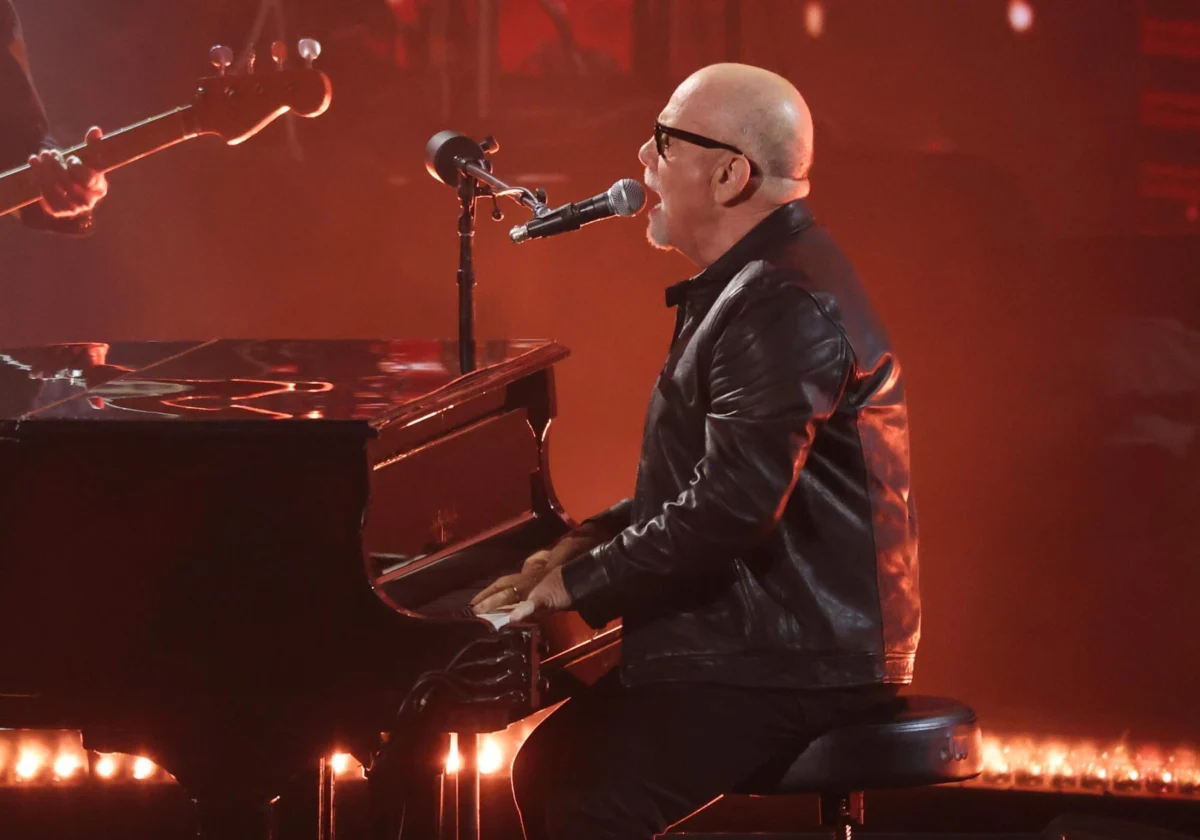
HangupsMusic.com – Boca Raton, The iconic "Piano Man," Billy Joel, a figure synonymous with the American songbook, is poised to make his long-awaited public return next month, marking a significant moment for fans and the music industry alike. After a hiatus spanning nearly two years, prompted by a challenging health diagnosis, Joel is scheduled to grace the stage at Florida Atlantic University (FAU) in Boca Raton on December 14th. This special engagement, intriguingly titled "Billy Joel: An Evening of Questions & Answers … And a Little Music," was announced on Monday, November 9th, sending ripples of anticipation through his vast fanbase. The event signals not just a performance, but a testament to resilience from one of music’s most enduring figures.
This upcoming appearance carries profound weight, representing Joel’s first official public engagement since revealing his battle with normal pressure hydrocephalus (NPH). This neurological condition necessitated the unfortunate cancellation of his highly anticipated 2025 tour, an announcement that deeply saddened legions of fans worldwide and led to his temporary withdrawal from the public eye. The Dec. 14th event at FAU offers a unique opportunity for attendees, with tickets being made exclusively available to currently enrolled university students starting Thursday, November 14th. This restricted access suggests a more intimate setting, perhaps designed to ease Joel back into the rigors of live performance in a controlled and supportive environment.
Normal pressure hydrocephalus, often abbreviated as NPH, is a condition characterized by an abnormal accumulation of cerebrospinal fluid (CSF) in the brain’s ventricles. Unlike other forms of hydrocephalus, NPH typically occurs in older adults, and its hallmark symptoms – difficulties with walking, cognitive impairment, and urinary incontinence – can often be mistaken for other age-related conditions like Alzheimer’s or Parkinson’s disease. For a performer of Joel’s caliber, whose craft demands intricate coordination, sharp memory, and sustained physical presence, such a diagnosis presents formidable challenges. The revelation of his condition brought into sharp focus the vulnerabilities even legendary artists face, underscoring the human element behind the larger-than-life stage persona.
Joel, now 77, first candidly addressed his health struggles during a groundbreaking SiriusXM call-in special on "The Billy Joel Channel" in September. During this unprecedented interaction with his listeners, the multi-Grammy Award winner fielded questions ranging from his favorite compositions to lyrical inspirations, but more importantly, he used the platform to directly address concerns about his well-being. He acknowledged the public’s anxiety surrounding his "brain disorder" diagnosis but was quick to reassure them. "I know people are worried about me because they read that I have a brain disorder, which sounds a lot worse than it actually is," Joel stated with characteristic candor. "I’m OK. My balance isn’t that good. Lost a little bit of my hearing, but that may have to do with my age, too, and the rock ‘n’ roll life and the loud volume probably didn’t help. But I’m fine. I want people to not have to worry about me. I’m OK. And I appreciate your call." This transparent exchange offered a glimmer of hope and comfort to countless fans who had been following his journey with bated breath.

Further elaborating on his treatment, Joel shared insights into the shunt implantation procedure, a common intervention for NPH. This surgical technique involves placing a thin tube (shunt) to divert excess cerebrospinal fluid from the brain to another part of the body, such as the abdomen, where it can be absorbed. He confessed to initial reluctance about having doctors "drill a hole through" his skull but emphasized the positive outcomes following the procedure. He informed a concerned fan during the call-in special that his hearing and balance had indeed improved, offering not just a personal update but also a message of encouragement to others facing similar medical decisions. This demonstration of vulnerability and subsequent recovery narrative adds another layer to Joel’s already rich personal story, resonating deeply with an audience that has grown up with his honest, often autobiographical, songwriting.
The format of his upcoming FAU appearance, "An Evening of Questions & Answers … And a Little Music," hints at a more introspective and conversational event rather than a full-throttle concert experience. This format seems a pragmatic and thoughtful choice, allowing Joel to reconnect with his audience without the exhaustive demands of a typical touring show. Given the neurologist’s advice that "every time you do a show, it’s like you’re getting a concussion," as Joel revealed in a recent interview with The Hollywood Reporter, a Q&A session interspersed with musical interludes provides a gentler re-entry into public performance. It allows him to share anecdotes, delve into the creative process behind his timeless hits, and perhaps even offer stripped-down, intimate renditions of a few beloved tunes. The "little music" component is particularly intriguing, as it could range from a few solo piano pieces to collaborative jams, offering a glimpse into how his artistic expression has adapted to his current physical state.
While the FAU event marks his official public return, it’s worth noting a more casual, albeit brief, stage appearance Joel made earlier this year. In January, he surprised attendees in Wellington, Florida, by hopping on stage with a Billy Joel cover band. During this impromptu session, he delighted the crowd by performing rousing renditions of "We Didn’t Start the Fire" and "Big Shot." This earlier, less formal outing might have served as a personal litmus test, a way for Joel to gauge his comfort and capability in a live setting before committing to a more structured event. It demonstrated his enduring passion for music and his desire to connect with an audience, even as he navigated his health challenges.
The road to recovery and return has not been without its sacrifices. In his interview with The Hollywood Reporter last month, Joel disclosed that he had been compelled to sell off his cherished collection of motorcycles. This decision, a direct consequence of his medical condition, highlights the profound impact NPH has had on his daily life, extending beyond his professional career. "I can’t drive right now. I’m not allowed to drive," he revealed, painting a vivid picture of the lifestyle adjustments required. He also expressed uncertainty about his future performing capabilities at the time, stating, "I have to take a series of tests before I know." The neurologist’s warning about the "concussion-like" effect of performances underscored the gravity of his situation and the careful consideration required for any return to the stage.
Billy Joel’s career spans over five decades, marked by an unparalleled string of hit singles, multi-platinum albums, and a reputation as one of the most compelling live performers of his generation. From his early days in Oyster Bay, Long Island, to his legendary residency at Madison Square Garden, Joel has carved out a unique space in popular music with his narrative songwriting, intricate piano arrangements, and distinctive vocal delivery. His return, even in a modified format, is a powerful statement about the enduring human spirit and the unbreakable bond between an artist and their audience. It’s a reminder that even after significant health setbacks, the desire to create, to share, and to connect through music can prevail. The Boca Raton engagement is not merely a concert; it’s the next chapter in the ballad of Billy Joel, a narrative of perseverance, vulnerability, and the unwavering magic of the "Piano Man."
