 By Azzam Bilal
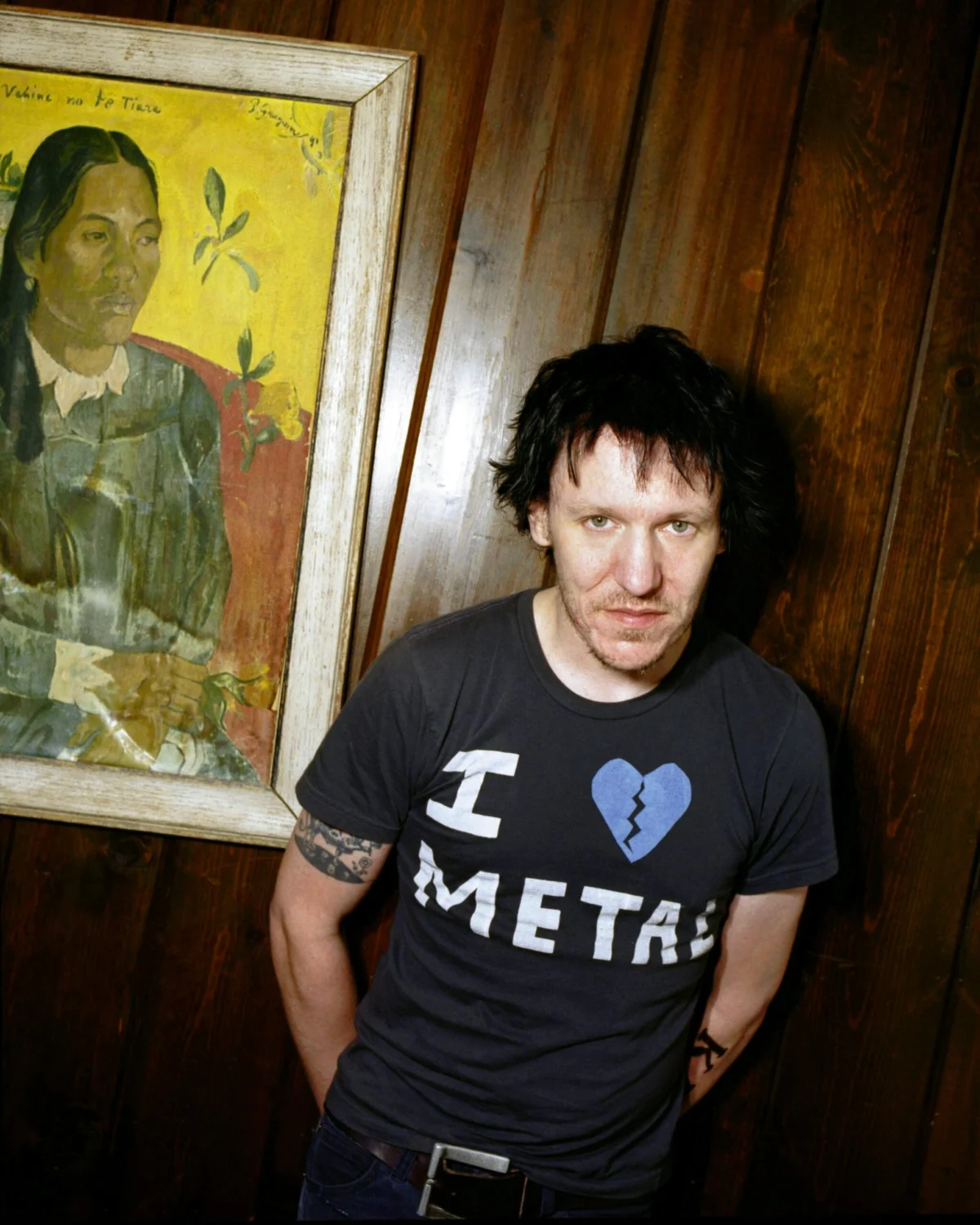
HangupsMusic.com – NEW YORK, The intersection of high-concept streetwear and the raw, intimate world of independent music has reached a new and polarizing milestone. Supreme, the global powerhouse of skate culture and fashion, has officially unveiled its latest collaborative project, this time centered on the life and work of the late singer-songwriter Elliott Smith. As the brand continues its long-standing tradition of bridging the gap between underground subcultures and mainstream consumerism, this particular collection has sparked a heated debate regarding the ethics of posthumous branding and the delicate nature of an artist’s legacy.
The Supreme x Elliott Smith capsule collection is scheduled for an official launch on November 12. While the announcement has sent ripples through the fashion world, it has also struck a discordant note with long-time fans of Smith, who died by suicide in 2003. The collection features a range of apparel, primarily hoodies and t-shirts, that utilize the iconic imagery of Smith’s discography. Specifically, the designs incorporate the cover art from his seminal works: the 1995 self-titled Elliott Smith, the 1997 masterpiece Either/Or, and his final completed studio album, 2000’s Figure 8.
For Supreme, this is far from their first foray into the musical archives. The New York-based brand has a storied history of aligning itself with artists who possess a certain "outsider" status or a cult following. In the past, they have released collections featuring the shoegaze legends My Bloody Valentine and the late outsider artist Daniel Johnston. While those collaborations were met with varying levels of acceptance, the decision to commercialize Elliott Smith’s image feels, to many, like a step into more sensitive territory. Smith’s music was defined by its vulnerability, its hushed intimacy, and its unflinching exploration of depression and addiction. To see that same vulnerability printed on a high-heat streetwear garment—often associated with bravado and exclusivity—creates a cognitive dissonance that is difficult for some to reconcile.
Despite the emotional backlash from segments of the indie-rock community, it is important to note that Supreme did not act unilaterally. The brand reportedly secured the full cooperation and permission of Elliott Smith’s estate. This legal blessing ensures that the project is an official part of the artist’s commercial legacy, yet it does little to dampen the philosophical debate over whether such a legacy should be marketed in this manner. For the estate, such collaborations can serve as a way to keep an artist’s name in the cultural conversation and introduce their work to a younger generation that might otherwise never encounter it. For the critics, however, it feels like the commodification of a tragedy.
From a purely aesthetic standpoint, the collection has also faced scrutiny. Within the industry, the designs have been described by some as uninspired. Critics point out that simply screen-printing album covers onto basic silhouettes lacks the creative reinvention often expected from a high-profile fashion house. Chris Panicker, an in-house designer at Pitchfork, noted that the designs themselves struggle to stand out, suggesting that the "cool factor" of the Supreme box logo is doing the heavy lifting rather than a genuine artistic reinterpretation of Smith’s visual identity.
The choice of albums for the collection is particularly significant. Either/Or, released in 1997, is widely considered Smith’s magnum opus. Named after a book by Søren Kierkegaard, the album transitioned Smith from a local Portland hero to a national figure, especially after several of its tracks were featured in the film Good Will Hunting. The album’s enduring influence was recently reaffirmed when it was ranked at number four on a comprehensive list of the 100 Best Indie Rock Albums of All Time. Its inclusion in the Supreme drop highlights the brand’s keen eye for cultural capital; they are not just selling a shirt, they are selling a piece of the indie-rock canon.
Similarly, the use of the Figure 8 artwork brings with it a heavy weight of symbolism. The album cover features Smith standing in front of a colorful, swirling mural located in the Silver Lake neighborhood of Los Angeles. Following his death, that wall became a makeshift memorial, covered in messages of love and grief from fans around the world. By placing this image on a sweatshirt, Supreme is tapping into a visual shorthand for the collective mourning of a generation. Whether this acts as a tribute or a commercial exploitation of grief is a question that remains at the heart of the controversy.
The broader context of this collaboration reveals a trend in the fashion industry where "sadness" and "authenticity" are increasingly used as marketing tools. In the digital age, the aesthetic of the "tortured artist" has become a brandable commodity. Supreme, which built its empire on the grit of 1990s New York skate culture, understands the value of this edge. By associating themselves with Smith, they align the brand with a sense of profound artistic integrity and emotional depth. However, the transactional nature of streetwear—where items are often bought solely for resale value—stands in stark contrast to the anti-commercial ethos that Smith himself often embodied.
As the November 12 release date approaches, the collection is expected to sell out almost instantly, a testament to Supreme’s unshakable market power. The pieces will likely appear on secondary markets like StockX and Grailed within hours, often at double or triple their original retail price. This cycle of hype and profit-taking is exactly what makes the Elliott Smith collaboration so jarring to those who find solace in his music. There is an inherent irony in a "limited edition" hoodie featuring an artist who famously struggled with the pressures of fame and the machinery of the music industry.
Nevertheless, the project also serves as a reminder of the lasting power of Smith’s work. Even two decades after his passing, his music continues to resonate with such force that a global fashion brand sees it as a viable partner. For the younger demographic that follows Supreme’s every move, this collection might be their first introduction to the haunting melodies of "Between the Bars" or the intricate guitar work of "Angeles." If a t-shirt leads a teenager to discover the brilliance of Either/Or, is the commercialization a necessary evil?
The debate surrounding the Supreme x Elliott Smith collection is a microcosm of a larger cultural shift. We live in an era where the boundaries between art, identity, and commerce have become almost entirely porous. Figures who were once symbols of counter-culture are now integrated into the luxury market, and the "underground" is frequently mined for content by major corporations. While Supreme’s history with artists like My Bloody Valentine and Daniel Johnston paved the way for this moment, the Elliott Smith drop feels like a definitive turning point.
Ultimately, the success or failure of the collection will not be measured by its sales figures—which are guaranteed to be high—but by how it affects the way we remember Elliott Smith. For some, the garments will be a cherished way to show their appreciation for a songwriter who changed their lives. For others, they will remain a symbol of a "bridge too far," a sign that nothing is sacred in the face of modern branding. As the fashion world prepares for the launch, the music remains: quiet, complex, and forever out of reach of a simple logo. Regardless of how one feels about the clothes, the songs on Either/Or and Figure 8 continue to speak for themselves, offering a depth that no t-shirt could ever fully capture.
