
 By admin
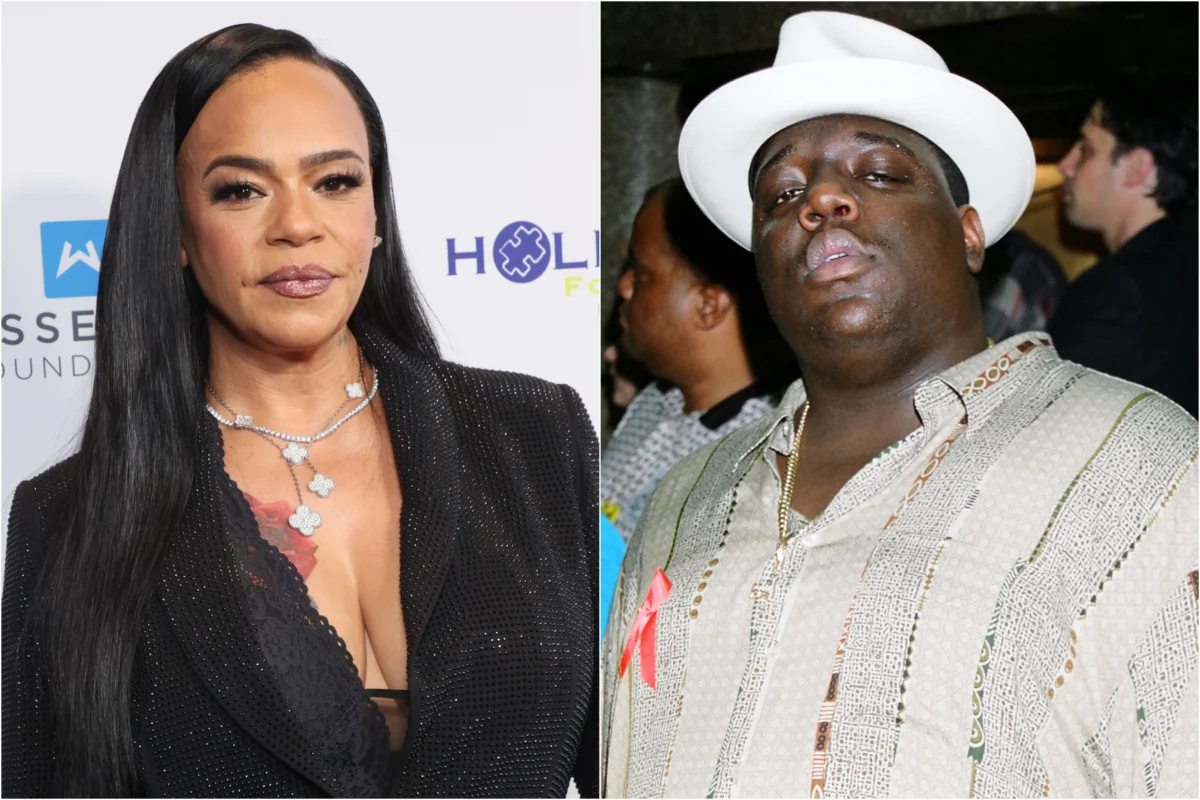
HangupsMusic.com – New York, A protracted legal struggle over the financial stewardship of the iconic Notorious B.I.G.’s estate has culminated in a substantial financial blow for Grammy-winning artist Faith Evans. In a pivotal ruling from the Delaware Court of Chancery, Evans has been ordered to pay a staggering $12.5 million to the trust established by the late rap legend’s mother, Voletta Wallace. This decision marks a significant development in the ongoing complexities surrounding the posthumous earnings and intellectual property of one of hip-hop’s most revered figures.
The ruling, handed down by Judge Kathaleen St. J. McCormick, sided definitively with the Voletta Wallace Revocable Trust, which is now overseen by Wayne Barrow, Biggie’s longtime manager and the appointed executor of Wallace’s estate. The judgment encompasses distributions from Notorious B.I.G., LLC, the entity responsible for managing the rap star’s expansive intellectual property, including his name, image, and likeness. This legal victory for the trust underscores the intricate challenges inherent in navigating the financial legacies of cultural icons, particularly when family members and business partners are at odds.
Voletta Wallace, an esteemed matriarch and fierce protector of her son’s enduring legacy, passed away in February 2025. Prior to her death, she entrusted the executorship of her estate to Wayne Barrow, a decision that has since become a focal point of contention within the family. Barrow, who played a crucial role in Biggie’s career, assumed the responsibility of overseeing the Voletta Wallace Revocable Trust, which became a central figure in the dispute over funds generated by Biggie’s extensive catalog and brand partnerships.
The core of the legal conflict revolved around Faith Evans’ alleged refusal to distribute proceeds earned through Notorious B.I.G., LLC. This included significant revenue streams, such as the high-profile partnership with Primary Wave, a deal announced in March 2025 that aimed to further expand the commercial reach of Biggie’s brand. The trust, represented by Barrow, contended that it was entitled to these distributions, a claim vigorously disputed by Evans and her legal team. The amounts at stake were substantial, reflecting the immense and enduring commercial value of Biggie’s contributions to music and popular culture.
In a recent decision rendered this past Tuesday, October 27th, Judge McCormick rejected Evans’ legal team’s motion to drastically limit the judgment to a mere $48,612. Instead, the court mandated the payment of the full $12,518,336 awarded to the Wallace trust, a figure that also includes accrued interest. This substantial sum reflects the court’s comprehensive assessment of the trust’s rightful claim to the withheld funds, dating back to the time of Voletta Wallace’s passing. The ruling clarifies the trust’s standing and its entitlement to economic benefits derived from its stake in Notorious B.I.G., LLC.
A significant point of contention throughout the proceedings has been the executorship itself. Christopher Jordan Wallace, better known as CJ, the son of Notorious B.I.G. and Faith Evans, has openly challenged Wayne Barrow’s control over his grandmother’s estate. CJ Wallace alleges that Barrow exploited his grandmother’s vulnerability, manipulating Voletta Wallace into granting him executorship of the Voletta Wallace Revocable Trust. This separate legal battle is unfolding in Pennsylvania, casting a shadow over the administration of the estate even as the Delaware court has definitively ruled on the distribution of funds.
In light of these accusations and the pending Pennsylvania challenge, CJ Wallace and Faith Evans had proposed an alternative approach: placing the disputed funds under the control of the state. Their argument stemmed from lingering questions surrounding the overall administration of the estate and the legitimacy of Barrow’s appointment. However, Judge McCormick of the Delaware Court of Chancery dismissed this suggestion. Her reasoning was rooted in the principle that any pending proceedings in Pennsylvania would not retroactively invalidate actions taken by Barrow in good faith, nor would they alter the trust’s inherent entitlement to distributions.
In her detailed judicial opinion, Judge McCormick articulated the court’s stance: "The economic rights associated with Ms. Wallace’s units now belong to the Trust. Plaintiff Wayne Barrow, who appears in this action on behalf of the Trust, also holds Letters Testamentary issued on April 21, 2025, making him the sole executor of the Estate. Pennsylvania law provides that ‘[n]o act of administration performed by a personal representative in good faith shall be impeached by the subsequent revocation of his letters or by the subsequent probate of a will, of a later will or of a codicil.’" This legal interpretation underscores the protection afforded to executors who perform their duties diligently, even if their appointment is later challenged.
The judge further clarified the implications of the Pennsylvania proceedings on the Delaware ruling, stating: "The outcome of the Pennsylvania action, therefore, will not affect the actions taken by Mr. Barrow related to the Trust, Ms. Wallace’s estate, and the Trust’s entitlement to distributions as of Ms. Wallace’s date of death. I therefore find no need for the accrued distributions to be deposited with the Register in Chancery. They are due to the Trust." This portion of the ruling firmly established that the Delaware court’s decision regarding the distribution of funds was independent of the separate dispute concerning Barrow’s executorship. The entitlement of the trust to the distributions, according to the court, was clear and present.
Crucially, the court also determined that the Voletta Wallace Revocable Trust officially became a member of Notorious B.I.G., LLC, on December 12, 2025. This date is significant because it is when Wayne Barrow formally executed a written consent establishing the trust’s membership rights within the company. This determination was pivotal, as it entitled the trust to receive distributions dating back to Voletta Wallace’s death in February 2025, rather than limiting its recovery to a more recent period, as Evans and the LLC had argued. The court’s meticulous calculation of prejudgment interest, compounded quarterly at the statutory rate from the dates payments were originally due, further amplified the final judgment amount.
The legal saga between Barrow, representing the Wallace trust, and Faith Evans, centers on a dispute that escalated following Evans’ reported refusal to disburse profits generated by Notorious B.I.G., LLC. These proceeds include, but are not limited to, those stemming from the high-profile partnership with Primary Wave, which significantly expanded the commercial reach of Biggie’s name, image, and likeness. The trust’s insistence on its rightful share of these earnings ultimately led to the extensive litigation that has now concluded in Delaware with this decisive judgment.
In the wake of the ruling, Judge McCormick has provided Barrow with a 20-day window to submit a final form of order that precisely reflects the judgment and all previous court directives. While the Delaware decision conclusively establishes the Voletta Wallace Revocable Trust’s rights to the distributions, the separate legal challenge in Pennsylvania regarding Wayne Barrow’s appointment as executor remains an unresolved matter. This means that while the financial aspect of the dispute has been settled in Delaware, the question of who ultimately holds the reins of the estate’s administration continues to be debated in another court.
This intricate legal battle serves as a stark reminder of the complexities and emotional tolls involved in managing the estates of beloved artists. The legacy of Notorious B.I.G., one of hip-hop’s foundational pillars, continues to generate substantial wealth, but its distribution and oversight have become a source of profound disagreement. The Delaware ruling provides clarity on the financial entitlements, but the ongoing Pennsylvania challenge highlights the deeply personal and often contentious nature of family trusts and executorships, especially when iconic legacies are at stake.
