
 By Rose Miami
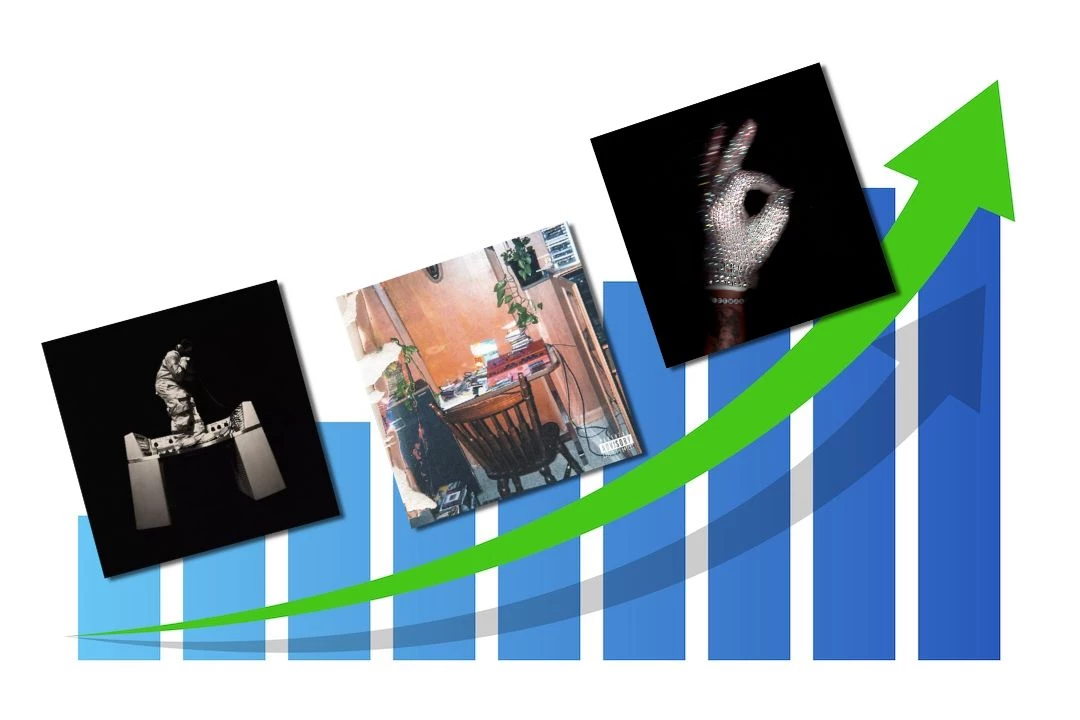
HangupsMusic.com – The narrative surrounding hip-hop’s commercial viability has been a subject of intense debate within music circles. Following reports from late last year indicating a dip in the genre’s market share, from 30 percent in 2020 to 24 percent in 2025, a sense of unease rippled through the fanbase, leading to discussions about whether rap’s influence was waning or merely entering a new phase of evolution. However, the early performance of 2026 has decisively silenced those doubts, demonstrating a robust and vibrant resurgence for hip-hop, with several high-profile releases achieving monumental first-week sales figures and reasserting the genre’s dominance in the music industry.
The year kicked off with a powerful statement from established and rising stars alike, setting a precedent for what was to come. The early months saw significant releases from titans of the culture, including J. Cole, A$AP Rocky, and Don Toliver, each delivering projects that not only resonated critically but also translated into substantial commercial success. These artists, through their distinct artistic visions and dedicated fan bases, proved that the appeal of hip-hop remains as potent as ever, capable of driving significant revenue and capturing the attention of a broad audience.
Adding to the impressive slate of early-year releases, YoungBoy Never Broke Again made a significant career milestone with the launch of his 17th album, Slime Cry. Dropping on the same day as A$AP Rocky’s latest offering, Slime Cry achieved the highest first-week sales of YoungBoy’s career, a testament to his enduring popularity and the unwavering loyalty of his supporters. The album garnered an impressive 70,000 equivalent album units in its opening week, signaling a strong start for the artist and reinforcing his position as a commercial force within the genre.
As the calendar turned to January’s end, Don Toliver continued the momentum with his highly anticipated new project, Octane. This collection marked a pivotal moment for the Houston rapper-singer, achieving his first-ever No. 1 placement on the prestigious Billboard 200 chart. Octane captivated listeners, earning a remarkable 162,000 equivalent album units in its debut week, solidifying it as his most successful first-week sales performance to date and underscoring his growth as a leading figure in contemporary hip-hop.

Further cementing the genre’s dominance, J. Cole’s deeply personal and long-awaited magnum opus, The Fall-Off, arrived with considerable fanfare and lived up to the immense expectations. The album demonstrated Cole’s unparalleled ability to connect with his audience on an emotional and intellectual level, translating into an extraordinary commercial achievement. The Fall-Off moved an astounding 280,000 equivalent album units within its first week of release, a figure that speaks volumes about the enduring impact and commercial power of one of hip-hop’s most respected artists.
However, the year’s sales crown for a hip-hop project was ultimately claimed by none other than Drake. In May, the Toronto superstar released his ninth studio album, Iceman, a project that immediately seized the No. 1 spot on the Billboard 200 chart. The album’s debut was nothing short of spectacular, moving an astonishing 463,000 equivalent album units during its initial seven-day sales period following its May 15 launch. This monumental figure not only made Iceman the second-largest sales week of 2026 overall but also cemented it as the biggest week of the year for any hip-hop project. Drake’s consistent ability to generate such massive sales figures year after year reinforces his status as a global music phenomenon and a dominant force in the hip-hop landscape.
These impressive numbers from J. Cole, A$AP Rocky, Don Toliver, YoungBoy Never Broke Again, and Drake paint a clear picture: hip-hop is not only back but thriving. The genre’s ability to adapt, innovate, and connect with a diverse global audience remains its greatest strength. The diverse range of artists achieving these milestones—from established legends to rising stars—demonstrates the genre’s broad appeal and its capacity to evolve while maintaining its core essence.
The success of these projects can be attributed to a confluence of factors, including meticulous marketing campaigns, strategic release dates, and, most importantly, the creation of high-quality, compelling music that resonates deeply with listeners. In an era where music consumption is multifaceted, with streaming services playing a dominant role, achieving such substantial equivalent album unit sales requires a potent combination of strong album sales and significant streaming numbers. The artists mentioned have masterfully navigated this complex landscape, proving that a well-crafted album with a dedicated fanbase can still achieve extraordinary commercial success.
As 2026 progresses, the early trends suggest a strong year for hip-hop, potentially surpassing previous market share figures. The genre’s inherent adaptability, its cultural relevance, and its ability to consistently produce artists who can both innovate and connect with a mass audience all contribute to its enduring commercial power. The debates about hip-hop’s market share may have been sparked by a perceived dip, but the reality of 2026’s sales charts speaks for itself: hip-hop remains a dominant, dynamic, and commercially potent force in the global music industry, continuing to shape popular culture and redefine the boundaries of musical success. The artists featured here have not only delivered exceptional music but have also served as powerful ambassadors for the genre, proving its resilience and its ever-growing appeal to a worldwide audience.
