
 By Rose Miami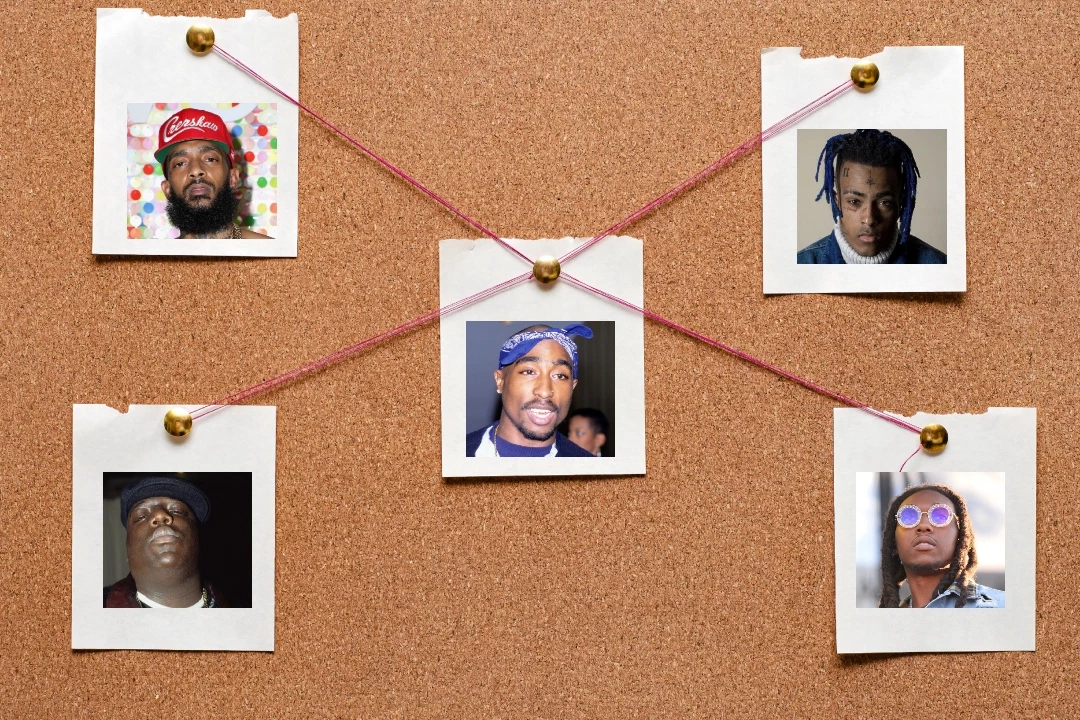
HangupsMusic.com – In the annals of hip-hop, a chilling refrain has often punctuated the vibrant rhythm of its evolution: the untimely deaths of its artists. From the foundational days of the genre, the specter of violence has loomed, casting a long shadow over the creative output of a culture born from struggle and resilience. The very essence of hip-hop, often a raw and unflinching mirror to the realities of urban life, has tragically seen its most luminous talents become casualties of that same harsh environment. This pervasive issue, marked by a disturbingly high number of unsolved homicides, prompts a critical examination of the genre’s relationship with violence and the efficacy of justice for its fallen icons.
The genesis of this dark chapter in hip-hop history can be traced back to a fateful night in August 1987. Just shy of 14 years after DJ Kool Herc ignited the spark of hip-hop with his seminal block party in the Bronx, another seminal figure, Scott La Rock of Boogie Down Productions, met a violent end in the same borough. A gunshot wound to the head and neck proved fatal, and at the age of 25, La Rock became an early, devastating casualty, his murder the first in a grim lineage of hip-hop slayings that would tragically remain unresolved for years. This event, occurring in the very crucible of hip-hop’s birth, served as a stark premonition of the violence that would continue to plague the genre.
While some high-profile cases, such as the murders of XXXTentacion and Jam Master Jay, have seen justice served with convictions of their perpetrators, many others remain open wounds. The recent tragic death of Migos member Takeoff in 2022, for instance, has seen suspects apprehended, but the legal process is still unfolding, leaving a sense of unease. The sheer volume of artists lost to violence is staggering. Over the 39 years since Scott La Rock’s passing, a comprehensive review of hip-hop homicides has documented an alarming 93 additional rapper fatalities. This translates to an average of more than two artists per year, a statistic that underscores the severity of the problem. Crucially, a significant majority of these cases, over 60, have never been officially solved, leaving families and fans in a perpetual state of unanswered grief and frustration.
This persistent lack of resolution stands in stark contrast to broader trends in homicide investigations. According to data from the Murder Accountability Project, the national murder clearance rate has seen an uptick, reaching 61.4% in 2024, a notable increase from 52.3% in 2022. While this national average suggests progress in solving homicides, it starkly fails to reflect the disproportionately low percentage of cases involving hip-hop artists that are brought to a conclusive end. Legends like The Notorious B.I.G., Big L, and Mac Dre, whose lyrical prowess and cultural impact are undeniable, remain subjects of unsolved mysteries, their deaths occurring decades ago but their cases still lingering in the realm of the unknown.
The persistent cycle of violence and unresolved cases has inevitably led to broader societal insinuations and criticism directed at hip-hop music itself. The simplistic, and often inaccurate, notion that "rap music and violence seem to go hand in hand" has become a recurring, albeit misguided, talking point. Scotty Morris, Scott La Rock’s former manager, articulated a more nuanced perspective in the wake of his client’s murder, telling The New York Times 38 years ago, "In some respects, rap music and violence seem to go hand in hand. But it’s not the music itself, it’s the environment. Violence was here long before hip-hop." This sentiment highlights a critical distinction: the music often reflects the harsh realities of the environment from which it emerges, rather than being the instigator of that violence. The genre serves as a narrative voice for communities often overlooked, and its artists, by virtue of their visibility and engagement with these communities, are often disproportionately exposed to its dangers.
This ongoing tragedy necessitates a closer look at the individual stories and the collective impact of these losses. A thorough examination of the current status of these 95 documented hip-hop murders, spanning nearly four decades, reveals a persistent pattern of unresolved investigations and a deep-seated need for greater accountability. The collaborative efforts of journalists and researchers have been instrumental in compiling this grim tally, bringing to light the sheer scale of the problem and the urgent need for renewed focus on these cases. The stories of these fallen artists are not merely statistics; they represent lost potential, silenced voices, and the enduring pain of families and communities grappling with unresolved loss.
The challenges in solving these cases are multifaceted, often involving complex urban environments, witness intimidation, and the inherent difficulties of investigating crimes in communities that may harbor a deep distrust of law enforcement. Furthermore, the rapid pace of the music industry and the constant influx of new talent can sometimes overshadow the ongoing pursuit of justice for older cases. However, the cultural significance of hip-hop and the immense contributions of its artists demand a more robust and sustained commitment to uncovering the truth behind their untimely deaths.
The legacy of hip-hop is intrinsically tied to its narrative power, its ability to articulate the experiences of its creators and audiences. When that narrative is cut short by violence, and when the perpetrators are not brought to justice, it leaves an indelible scar on the genre’s history. The unsolved cases represent not only a failure of the justice system but also a profound loss for a cultural movement that has shaped global music, fashion, and social discourse. The echoes of these lost voices continue to resonate, serving as a somber reminder of the vulnerabilities faced by artists who often bravely navigate the complexities of their lived realities through their music. The quest for answers in these cases is more than just a journalistic endeavor; it is a crucial aspect of honoring the legacies of those who have been silenced and advocating for a future where the vibrant tapestry of hip-hop is not so tragically frayed by violence and injustice.
