
 By Azzam Bilal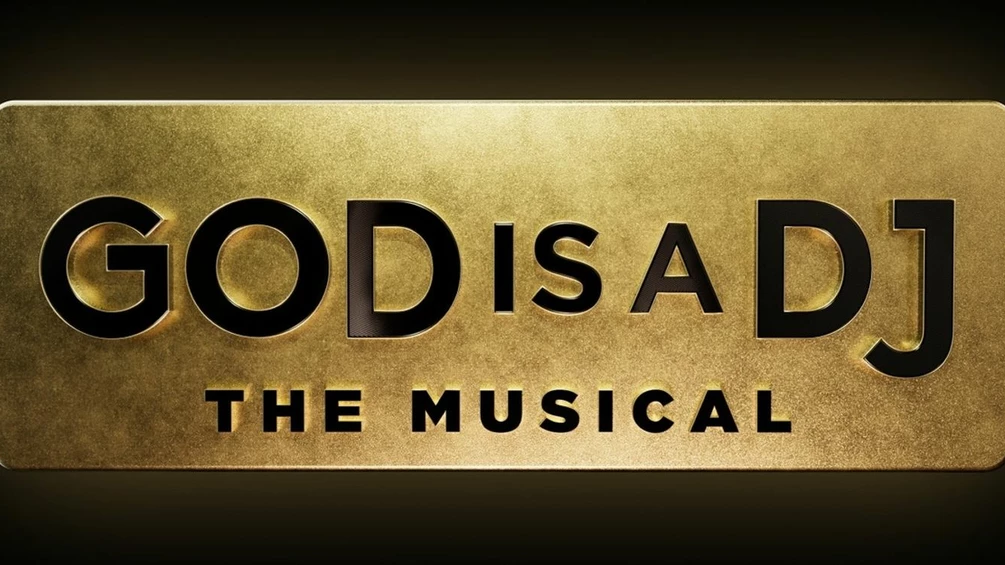
HangupsMusic.com – London, The pulsating heartbeat of global nightlife is poised to find a new resonance within the hallowed halls of the theater, as a major new stage production titled God Is a DJ prepares to bridge the gap between two seemingly disparate sonic universes. This ambitious musical endeavor is not merely a tribute to the strobe-lit sanctuaries of the late 20th century, but a sophisticated exploration of the friction and fusion that occurs when the rigid discipline of classical music meets the liberation of the electronic dancefloor. Described by its creators as an "intimate story," the production aims to peel back the layers of club culture, examining the human connections forged in the heat of the night and the transformative power of the beat.
At its core, God Is a DJ is a narrative of convergence. It centers on the meeting of two worlds: the structured, centuries-old traditions of the conservatory and the fluid, hedonistic energy of the underground rave. This juxtaposition serves as the dramatic engine for the show, providing a canvas upon which the creative team explores themes of identity, belonging, and the universal language of melody. To bring this vision to life, the production will employ a unique hybrid of performance styles, featuring a live band and a professional DJ who will work in tandem to deliver a soundtrack that blends contemporary composition with some of the most iconic dance anthems in history.
The pedigree of the creative team behind the project suggests a production of significant scale and artistic merit. Leading the musical direction is David Arnold, a composer whose name is synonymous with cinematic grandeur. A multi-award winner with both Grammys and Emmys to his credit, Arnold is perhaps best known for his sweeping scores for the James Bond franchise, as well as cult favorites like Independence Day and the BBC’s Sherlock. His involvement signals a move away from the "jukebox musical" stereotype, promising instead a rich, evocative score that treats electronic music with the same gravitas as a symphonic arrangement. Joining Arnold in the songwriting process are Karen Poole and Sam Harper, two artists with deep roots in the contemporary music industry who bring a modern sensibility to the show’s original material, including the eponymous title track.
The narrative framework of the show has been entrusted to Jessica Swale, an Olivier Award-winning playwright whose work is celebrated for its wit, emotional depth, and historical resonance. Swale, known for acclaimed plays such as Nell Gwynn, brings a literary pedigree to the project that ensures the story will be as compelling as the soundtrack. Under the direction of Vicky Featherstone, a titan of the British theatrical landscape and former Artistic Director of the Royal Court Theatre, the production is expected to push the boundaries of how music is integrated into live drama. Featherstone’s reputation for championing bold, innovative storytelling makes her the ideal shepherd for a project that seeks to translate the visceral, non-verbal experience of a nightclub into a structured theatrical event.
The sonic architecture of God Is a DJ is being meticulously crafted by Matthew Brind, a seasoned orchestrator whose diverse portfolio includes the high-octane revival of Starlight Express. Brind’s task is perhaps the most technically demanding: he must find a way to reconcile the acoustic textures of a live orchestra with the synthetic, bass-heavy frequencies of electronic dance music. The goal is to create a seamless auditory experience where the "drop" of a house track feels as monumental as a Wagnerian crescendo. By integrating a live DJ into the performance, the production acknowledges that the DJ is not just a playback technician, but a modern conductor who shapes the energy and emotion of the room in real-time.
The creative spark for God Is a DJ originated with Irit Ten Hengel, the producer behind Obsessed, whose vision was to capture the spiritual essence of the dancefloor. For many, the nightclub is more than just a place to drink and dance; it is a secular temple, a space of communal catharsis where the DJ acts as a high priest. This philosophical underpinning is reflected in the show’s title, which inevitably draws comparisons to the 1998 classic by Faithless. While the musical is a standalone narrative work, it exists in conversation with the era of dance music that Faithless helped define—a period when electronic music moved from the fringes of society into the center of the cultural zeitgeist.
The announcement of God Is a DJ comes at a time of renewed interest in the intersection of club culture and the performing arts. This trend was exemplified last summer by the premiere of Black Power Desk at the Brixton House Uprising Festival. That production utilized sound system culture to explore the 1970s Black power movement in London and the clandestine police units that sought to dismantle it. By using the language of bass and rhythm to tell stories of social struggle, Black Power Desk proved that the "sounds of the street" possess a unique power to convey complex historical narratives. God Is a DJ looks to continue this trajectory, shifting the focus toward the emotional and social dynamics of the club itself.
As the theatrical world prepares for this production, the electronic music community continues to celebrate the legends who paved the way. Faithless, the group whose hit single provides the musical’s namesake, remains a potent force in the industry. The group is currently preparing for a major open-air concert at the historic Barton Aerodrome in Manchester, scheduled for July 3rd. This performance serves as a reminder of the enduring appeal of their sound, which combined poetic lyricism with euphoric production. Furthermore, the 30th anniversary of their seminal track "Insomnia" has sparked a wave of nostalgia and reinvention, including a new digital EP, a limited-edition picture disc, and a high-profile remix by the electronic duo Disclosure. The fact that "Insomnia" continues to be reimagined by modern producers speaks to the timeless nature of the "anthems" that God Is a DJ intends to feature.
The challenge for any production attempting to depict club culture on stage is the inherent difficulty of capturing "lightning in a bottle." The magic of a club often lies in its spontaneity, its volume, and its anonymity—elements that are often the antithesis of the controlled environment of a theater. However, by focusing on the "divide" between the classical and the contemporary, Swale and Featherstone appear to be leaning into this tension rather than trying to replicate a rave. The intimacy of the story suggests a character-driven approach, perhaps focusing on the individuals who find themselves caught between the expectations of high art and the raw pull of the underground.
For the theater industry, God Is a DJ represents an opportunity to engage with a younger, more diverse audience that may feel alienated by traditional operatic or musical theater formats. By elevating dance music to the level of an Olivier-worthy production, the creators are making a statement about the legitimacy of electronic culture as a form of modern folk art. It is a recognition that the melodies composed on a synthesizer in a bedroom can be just as profound as those written on parchment in a palace.
As development continues, fans and theatergoers are encouraged to monitor the official channels for casting announcements and venue details. The involvement of such a high-caliber creative team suggests that God Is a DJ will be a major fixture of the upcoming theatrical season, potentially touring internationally if it captures the global spirit of the music it celebrates. In a world that often feels increasingly divided, a story about meeting "across the divide" through the power of music is not just timely; it is essential. Whether through the soaring strings of David Arnold’s arrangements or the relentless four-on-the-floor beat of an iconic anthem, God Is a DJ aims to prove that on the dancefloor, and in the theater, we are all searching for the same thing: a moment of transcendence.
