
 By admin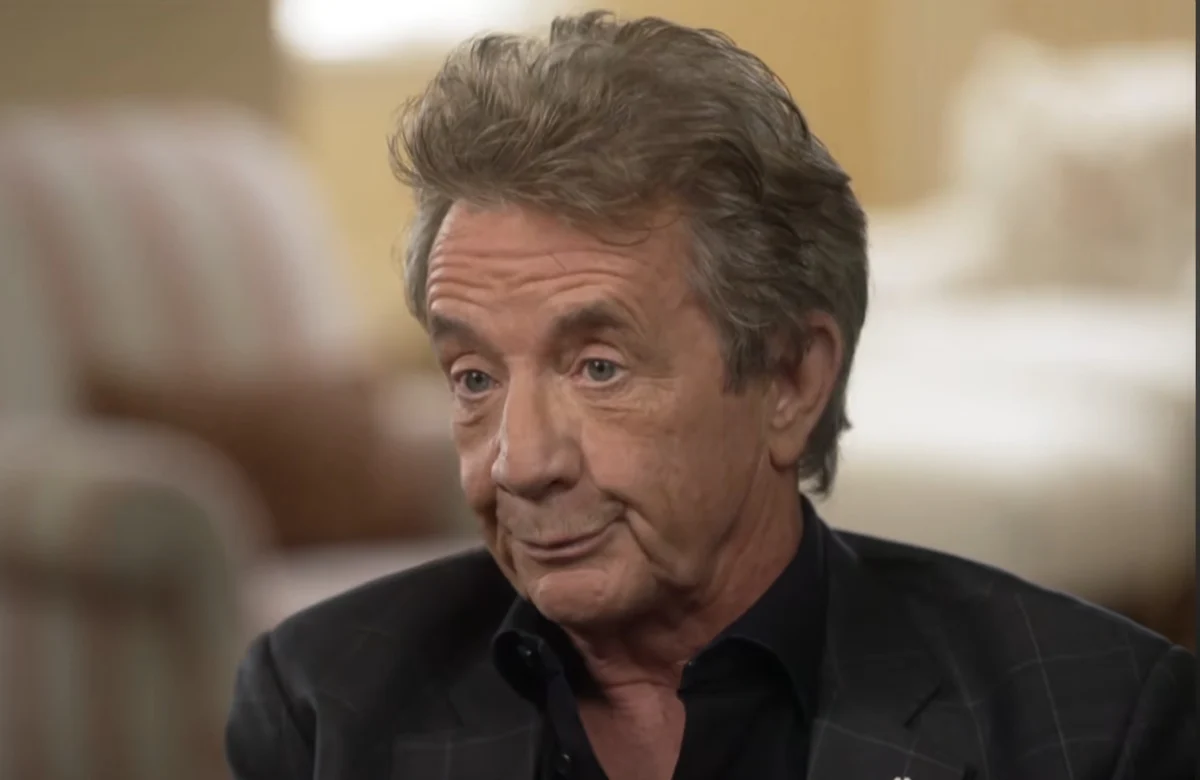
HangupsMusic.com – Los Angeles, CA – In a rare and deeply poignant interview, beloved comedic icon Martin Short has opened up for the first time about the immense sorrow surrounding the recent passing of his daughter, Katherine, who died by suicide earlier this year. Speaking with an arresting candor on CBS Sunday Morning, Short offered a heartbreaking yet profoundly insightful perspective on loss, drawing a direct, unflinching parallel between the devastating realities of mental health struggles and physical diseases like cancer. His words cut through the public’s perception of his perpetually joyful persona, revealing a man who has navigated unimaginable depths of grief, yet continually emerges with a testament to resilience and an unwavering commitment to life and art.
For decades, Martin Short has been a beacon of effervescent humor and infectious joy, delighting audiences with his unforgettable characters, razor-sharp wit, and an energy that belies his years. From his early days on "SCTV" and "Saturday Night Live" to his iconic roles in films like "Father of the Bride" and "Three Amigos," and most recently, his critically acclaimed performance in "Only Murders in the Building," Short has crafted a career built on laughter. Yet, behind the dazzling smiles and the expertly delivered punchlines lies a life marked by profound and repeated tragedy, a stark contrast that makes his recent revelations all the more powerful. This interview offered a rare glimpse behind the comedic curtain, revealing the depth of human experience that underpins even the most lighthearted of public figures.
Short’s journey through loss began remarkably early in his life, shaping his worldview and forging a unique resilience. He shared with CBS that his childhood was significantly impacted by a series of devastating events: he lost an older brother and both of his parents before he even reached the age of twenty. Such a succession of profound bereavements during formative years could cripple many, yet for Short, it paradoxically cultivated a powerful inner strength. He described this as developing a "muscle of survival," an intrinsic capacity for processing grief and maintaining a crucial perspective amidst overwhelming sorrow. This early conditioning, though born of immense pain, inadvertently prepared him for the further trials that life would present, allowing him to face subsequent heartbreaks not with defeat, but with a hard-won understanding of life’s precarious nature.
This "muscle" was undeniably tested again in his adulthood. In 2010, Short faced the excruciating loss of his beloved wife, Nancy Dolman, to cancer. Dolman, an actress herself and Short’s partner of over 30 years, was the bedrock of his personal life, and her passing left an immeasurable void. The grief of losing a spouse, particularly after such a long and loving partnership, is a universally understood sorrow. However, the past year has seen Short confronted with an almost unbearable cascade of further losses, compounding his grief in an unimaginable way. This period of intense personal trial culminated in the most recent and perhaps most devastating loss: that of his daughter, Katherine, in February of this year. The weight of these successive tragedies, arriving in close proximity, paints a picture of a man enduring an emotional landscape that few could fathom.
Speaking about Katherine’s death, Short’s voice carried the profound weight of a father’s sorrow. He described the period as a "nightmare for the family," an apt descriptor for the agony of losing a child. However, it was his subsequent articulation of this loss that resonated most deeply, offering a groundbreaking perspective on mental illness. He bravely stated, “Mental health and cancer – like my wife – are both diseases, and sometimes with diseases, they are terminal.” This declaration is not merely an expression of grief; it is a powerful act of destigmatization. By equating mental health struggles with a physical illness like cancer, Short directly challenges the societal tendency to differentiate between the two, often attaching shame or blame to mental health conditions. His words underscore the physiological and neurological realities of conditions like Borderline Personality Disorder, which Katherine battled for many years. He clarified that his daughter had "fought for a long time with extreme mental health – borderline personality disorder, other things – and did the best she could until she couldn’t." This explanation highlights the relentless and often invisible battle that individuals with severe mental health conditions endure, emphasizing that their struggle is a genuine illness, not a moral failing or a lack of willpower.
The most heart-wrenching parallel Short drew was between the final moments and sentiments of his wife and daughter. He recounted Nancy’s last words to him as, “‘Martin, let me go,’” a plea for release from her suffering. With profound emotional resonance, he revealed that Katherine’s passing carried a similar, unspoken message: “‘Dad, let me go.’” This chilling echo of farewell from two of the most important women in his life speaks volumes about the depth of their respective struggles and the immense love and empathy that allowed Short to understand their desire for peace. It’s a testament to his capacity for compassion, even in the face of the most unimaginable pain, recognizing their suffering and ultimately respecting their release from it. This shared plea underscores the terminal nature of both their diseases, whether physical or mental, and the ultimate surrender that sometimes becomes necessary.
Despite the profound and cumulative losses he has endured, Short’s "muscle of survival" continues to propel him forward. His interview was not one of despair, but of poignant reflection and a testament to the human spirit’s capacity for resilience. Even amidst this deeply personal disclosure, Short’s commitment to his craft remains undimmed. He is currently preparing for another season of the acclaimed Hulu series "Only Murders in the Building," a show that has brought him a new generation of fans and critical adoration alongside Steve Martin and Selena Gomez. Furthermore, a Netflix documentary titled "Marty: Life Is Short" is set to provide a comprehensive look at his extraordinary life and career, offering audiences a deeper understanding of the man behind the laughter.
Looking ahead, Short also hinted at a potential return to the Broadway stage, playfully joking about the prospect of collaborating with his "Only Murders" co-star, and tongue-in-cheek "now-girlfriend," Meryl Streep. With his characteristic humor, he quipped, “We are trying to figure out something, we’re just not sure if the box office is gonna be there. It’s a gamble, you never know how Meryl is going to do at the box office, but let’s hope.” This lighthearted jest, delivered in the midst of discussing such profound personal tragedy, serves as a powerful reminder of Short’s enduring spirit and his ability to find moments of levity even in the darkest times. It exemplifies the very essence of his comedic genius: a profound understanding of life’s absurdities and a refusal to let sorrow eclipse the joy of creation and connection.
Martin Short’s interview is more than just a celebrity’s personal story; it is a vital contribution to the ongoing conversation about mental health. By openly sharing his family’s experience and boldly equating mental illness with physical disease, he lends his considerable platform to destigmatizing conditions that too often remain shrouded in silence and shame. His courage in vulnerability serves as an inspiration, reminding us that even those who bring the most laughter into our lives often carry the heaviest burdens, and that understanding, empathy, and open dialogue are paramount in navigating the complex landscape of human suffering. Short’s enduring resilience, both on screen and in his personal life, stands as a powerful testament to the unbreakable spirit of a true entertainer and a deeply compassionate human being.
