
 By Azzam Bilal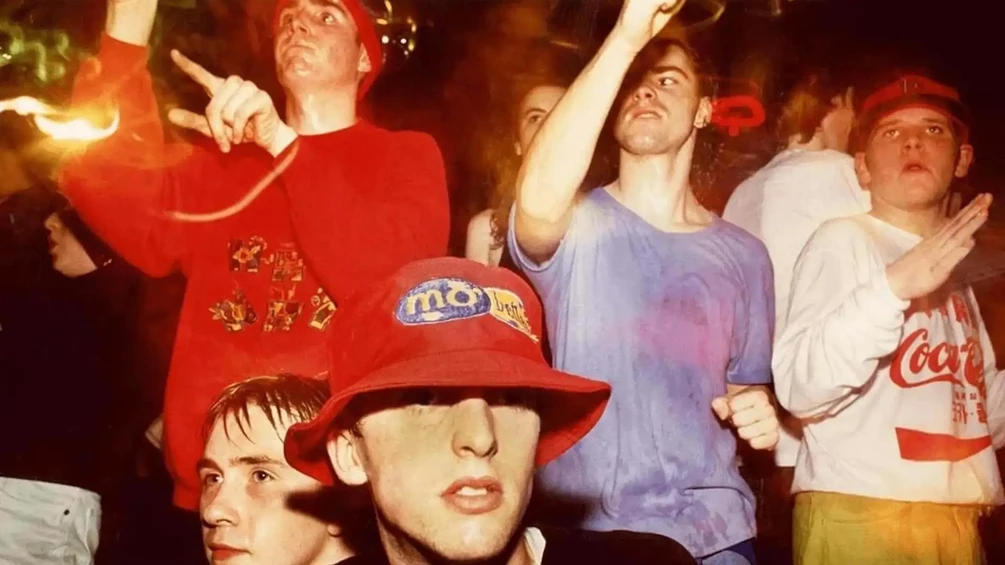
HangupsMusic.com – London, The late 1980s in Great Britain were defined by a sharp, often painful juxtaposition: a nation grappling with the cold realities of Thatcherism and a generation of youth finding salvation in the warm, rhythmic embrace of the electronic underground. This pivotal era, which fundamentally altered the landscape of global music and social cohesion, is the focus of a compelling new documentary titled Rave Culture: A New Era. As the film prepares for its highly anticipated London premiere, it promises to offer more than just a nostalgic trip down memory lane; it serves as a socio-political autopsy of a movement that transformed "fractured" into "frequency."
Directed by Eduardo Cubillo Blasco, the documentary is set to make its London debut on Friday, March 27th, at the historic Rio Dalston. This screening follows a successful initial showing at the Melkweg in Amsterdam, signaling the film’s international appeal. The London event is designed to be an immersive experience, featuring a post-screening Q&A session with Blasco and several key figures who lived through the transition from illicit warehouse parties to the massive, strobe-lit spectacles that defined a decade. The premiere is being handled by Doc’N Roll, a specialist distributor known for bringing high-quality music cinema to the big screen, ensuring that the film reaches the audiences most invested in the heritage of dance music.
To understand the weight of Rave Culture: A New Era, one must first understand the environment from which the rave scene emerged. The documentary meticulously charts the intersection of Margaret Thatcher’s Conservative government policies and the rise of a DIY musical revolution. By the late 80s, the United Kingdom was a country of stark divisions. High unemployment rates and the decline of traditional industries had left a vast swath of the youth feeling disenfranchised and ignored. However, where the government saw a "problem" population, the youth saw an opportunity for reinvention. The film posits that the rave scene was not merely an escape from reality, but a direct response to it—a grassroots rebellion fueled by drum machines and a collective desire for unity.
The sonic palette of the documentary is as diverse as the culture it depicts. It traces the lineage of the UK rave sound back to its transatlantic roots, showing how the soul-searching techno of Detroit, the pulsating house music of Chicago, and the rhythmic grit of New York hip-hop were imported and repurposed. In the hands of British producers and DJs, these sounds were fused with a uniquely UK sensibility, eventually giving birth to genres like hardcore, jungle, and drum & bass. This evolution is central to the film’s narrative, illustrating how a global exchange of ideas resulted in a distinctly British subculture.
The film boasts an impressive roster of interviewees, serving as a "who’s who" of electronic music history. Viewers will hear from pioneers who were in the trenches of the movement. Jungle and drum & bass royalty such as DJ Ron, Goldie, Fabio, DJ Hype, and DJ Rap provide firsthand accounts of the scene’s sonic maturation. These artists were instrumental in taking the raw energy of the early rave years and refining it into a complex, breakbeat-driven art form. The Ragga Twins, Darren Jay, Brockie, Jumpin Jack Frost, and Bryan Gee also contribute their perspectives, detailing the grit and the glory of the underground circuit.
Beyond the jungle pioneers, the documentary features insights from icons who brought the rave sound to the masses. Orbital, the duo famous for their improvised live sets and light-up glasses, and The Prodigy, a group that bridged the gap between rave culture and mainstream rock energy, are among the featured voices. The film also includes contributions from Slipmatt, Altern 8, Uncle Dugs, and Shades of Rhythm—artists who were synonymous with the "Second Summer of Love" and the massive outdoor festivals that followed. The inclusion of figures like Sarah Sandy and The House Crew ensures that the narrative covers the full spectrum of the era’s industry and artistry.
One of the documentary’s primary strengths is its focus on the "DIY" nature of the early scene. Before the era of super-clubs and corporate sponsorships, raves were organized in abandoned warehouses, aircraft hangars, and open fields. These events were often illegal, coordinated via pirate radio stations and secret phone lines. The film captures the frantic energy of these early parties, where the lack of formal infrastructure only heightened the sense of community. It was a time when the music mattered more than the venue, and the DJ was a facilitator of a shared experience rather than a distant superstar.
The political dimension of the film cannot be overstated. By examining the impact of the Conservative government’s policies, Rave Culture: A New Era places the music in a broader historical context. It explores how the 1994 Criminal Justice and Public Order Act—which famously targeted "music characterized by the emission of a succession of repetitive beats"—was the state’s attempt to stifle a movement it could not control. The documentary illustrates how the rave scene became a site of political resistance, where people of different races, classes, and backgrounds mingled on the dance floor in defiance of a society that sought to keep them apart.
Following the London premiere, Doc’N Roll has organized an extensive screening tour across the United Kingdom and beyond. The film will travel to Brighton’s Duke’s At Komedia on March 28th, followed by an Irish premiere in Dublin at the Lighthouse on April 9th. Other UK stops include Birmingham, Nottingham, Newcastle, Cardiff, and Glasgow, with additional dates pending in cities like Manchester, Sheffield, and Leeds. The documentary’s reach extends across the Atlantic as well, with scheduled screenings at Nitehawk Williamsburg in New York and the Miami Beach Bandshell, proving that the story of British rave culture resonates on a global scale.
The director, Eduardo Cubillo Blasco, brings a nuanced perspective to the project. Rather than relying solely on archival footage, the film balances historical documentation with contemporary reflections. This allows the audience to see the long-term impact of the rave era on the lives of those who participated. It asks what remains of that spirit in today’s highly commercialized electronic music industry and whether the same sense of grassroots rebellion can ever be recaptured in the digital age.
The documentary also pays tribute to the visual culture of the era—the neon flyers, the baggy clothing, and the early digital art that accompanied the music. These elements were essential to the identity of the scene, creating a holistic sensory experience that defined the late 80s and early 90s. By weaving these visual threads together with the music and the interviews, Blasco creates a rich tapestry that feels both informative and evocative.
For those who were there, Rave Culture: A New Era is a chance to revisit a transformative period of their lives. For younger generations, it is an essential history lesson on the origins of the music they listen to today. It highlights the importance of subcultures as spaces for social experimentation and the power of music to bridge gaps that politics often widens. The film serves as a reminder that even in times of economic hardship and social fracture, the human impulse to gather, dance, and create remains unbreakable.
As the screenings roll out across the globe, the documentary is poised to spark renewed conversations about the legacy of the rave movement. It is a story of how a generation of "disenfranchised youth" didn’t just find a way to cope with their reality—they built a new one, one beat at a time. Through the voices of its pioneers and the lens of its director, Rave Culture: A New Era ensures that the echoes of those early warehouses will continue to be heard for years to come.
