
 By admin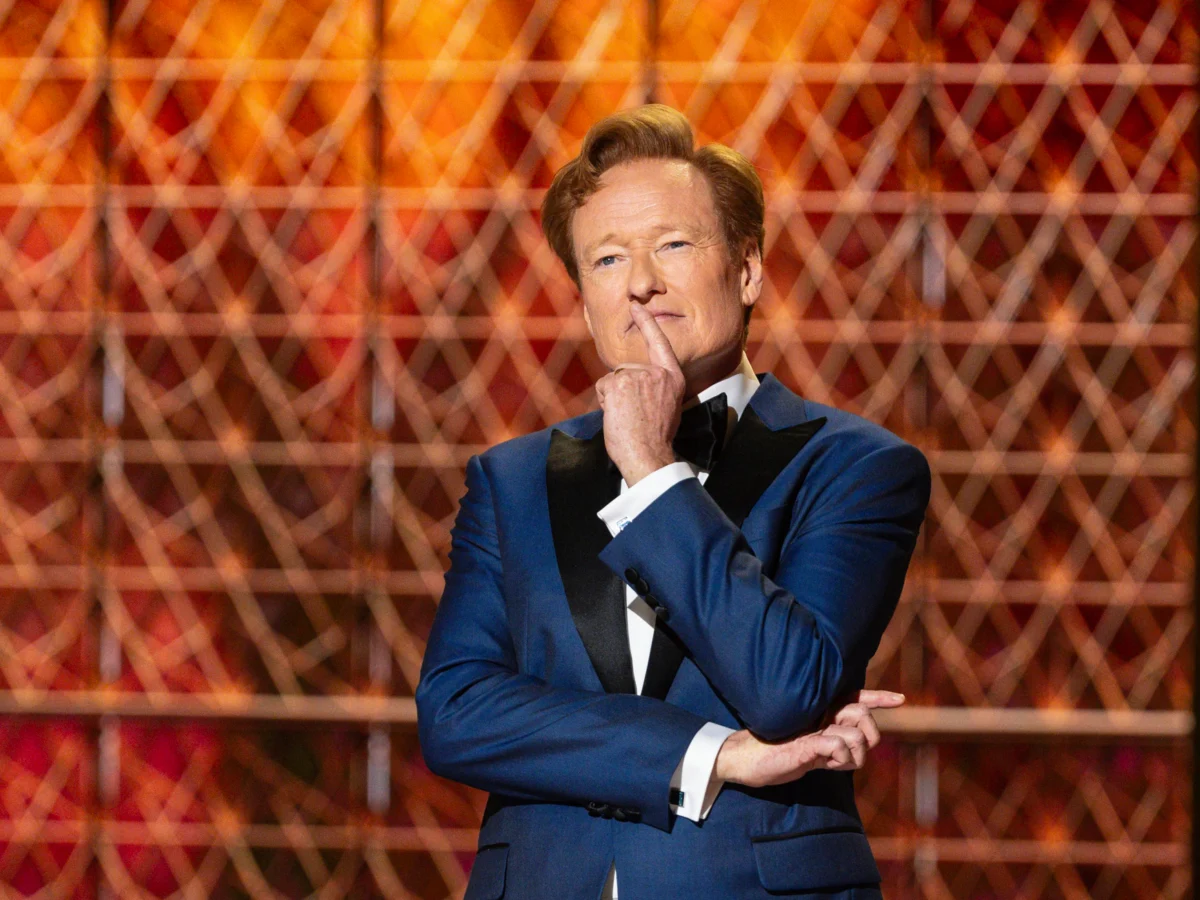
HangupsMusic.com – Los Angeles, California – The 98th annual Academy Awards unfolded as a compelling tapestry of cinematic achievement, punctuated by moments of genuine magic, unexpected humor, and jarring missteps. Echoing the cryptic wisdom from One Battle After Another – "Time doesn’t exist, but it controls us anyway" – the evening often felt like a struggle against the clock, yet it indelibly etched new memories into the annals of Hollywood history. This year’s ceremony, a vibrant showdown between two ambitious historical epics, Sinners and One Battle After Another, saw both films emerge with significant accolades, transforming the night into a true celebration of the diverse artistry of filmmaking, despite its notable highs and frustrating lows.
The broadcast began with a jolt of raw energy, a blistering blues jam celebrating the musical heart of Sinners. A legendary lineup, including the venerable Buddy Guy, a contemporary of the Oscars themselves, shared the stage with modern torchbearers like Christone "Kingfish" Ingram and Brittany Howard. Even the world of ballet found its spotlight, with Misty Copeland gracing the performance – a surprising turn given the evening’s later jabs at the art form. This electrifying opening perfectly encapsulated the film’s profound musical impact, with director Ryan Coogler famously sporting a guitar woven into his hair, a testament to his film’s deep cultural resonance.
Presiding over the festivities for the second consecutive year was Conan O’Brien, whose signature blend of sardonic wit and self-deprecating charm proved a welcome anchor. His opening monologue, delivered with characteristic deadpan, declared his honor to be "the last human host of the Academy Awards!" Setting a tone of playful irreverence, O’Brien didn’t shy away from targeted humor, teasing Timothée Chalamet and issuing mock warnings about "attacks from both the opera and ballet community." Perhaps his most deliciously pointed quip arrived near the show’s conclusion, as he introduced Adrien Brody, wryly crediting the actor with "heroically sav[ing] last year’s Oscars from running short" – a subtle, yet biting, reference to Brody’s famously long acceptance speeches.
The competitive spirit between Sinners and One Battle After Another infused the night with genuine suspense. Sinners, a powerful exploration of American history through a musical lens, garnered significant early momentum, culminating in emotional victories. Michael B. Jordan’s triumph for Best Actor was a profound highlight, his heartfelt speech connecting historical narratives to contemporary struggles, with his beaming mother as a proud witness. Thankfully, any potential for an awkward repeat of Brody’s past celebratory kisses was averted, the camera judiciously cutting away during Jordan’s shout-out to Halle Berry. Composer Ludwig Göransson also secured a win for Sinners with Best Score, sharing a poignant anecdote about his father’s 1964 purchase of a John Lee Hooker album in Sweden, underscoring the film’s deep blues roots. And, in a fitting culmination for the project, Ryan Coogler himself ascended the stage to accept the Oscar for Best Original Screenplay, a well-deserved recognition of his singular vision.
However, the night’s ultimate prize, Best Picture, went to Paul Thomas Anderson’s One Battle After Another, a sprawling, ambitious journey through American history. Anderson, a revered filmmaker finally claiming his first Oscar after 14 nominations, delivered a memorable speech, offering a profound apology to his children for the "housekeeping mess that we left in this world we’re handing off to them." In an unexpected and undeniably "Oscars first" moment, he also paid tribute to his literary inspiration, Thomas Pynchon, leaving many to wonder if the famously reclusive author was, in fact, present in a Chalamet-esque disguise. Anderson’s acceptance speech concluded with an endearing, if slightly obsessive, tangent on the legendary Best Picture nominees of 1975, a true film-geek moment that charmingly derailed his intended tribute to his fellow nominees.
Beyond the major categories, the 98th Academy Awards celebrated several significant individual achievements. Amy Madigan’s Best Supporting Actress win for her chilling portrayal of Aunt Gladys in Weapons was a sentimental favorite, marking a triumphant return 40 years after her initial nomination. Her husband, Ed Harris, beamed with pride, a tender glance exchanged as her name was called, solidifying their status as a celebrated Oscar-winning couple. Another groundbreaking moment arrived when Autumn Durald Arkapaw made history as the first woman, and the first Black individual, to win the Oscar for Best Cinematography. Her powerful call for all women in the room to stand resonated deeply, emphasizing the collective support that paved her way. Jessie Buckley’s emotional Best Actress win for Hamnet also left an impression, her heartfelt County Kerry brogue delivering a memorable, if slightly hyperbolic, declaration of wanting "20,000 more babies" with her husband.
The night also saw its share of entertaining presentations and celebrity cameos. Sean Penn, known for his unpredictable Oscar appearances, was a no-show for his win, leaving Kieran Culkin to accept on his behalf with characteristic dry wit, even displaying the envelope for "transparency." Anne Hathaway and Anna Wintour delivered a clever Devil Wears Prada sketch, though the fashion editor’s deadpan "And the nominees are…" in response to Hathaway’s dress query left the actress comically forlorn. Jimmy Kimmel made a welcome return to present the documentary awards, injecting some political humor with a jab at countries (and networks) that "do not support free speech." Kumail Nanjiani presided over an unusual tie in the Best Live Action Short category, prompting the perennial question about the necessity of the category itself.
Musical nostalgia filled the air with Nicole Kidman and Ewan McGregor celebrating the 25th anniversary of Moulin Rouge!, harmonizing on The Beatles’ "All You Need Is Love." While a charming moment, some cinephiles mused about a potential "Born Slippy" rendition for Trainspotting‘s 30th anniversary. The beloved Bridesmaids cast reunited on stage, though their sketch, featuring an obscure "Marty" joke, fell flat for many. Sigourney Weaver, however, shone in a comedic bit, channeling her iconic Aliens line to "Get away from him, you bitch!" when encountering Kate Hudson snuggling Baby Yoda – a moment almost as surreal as Pedro Pascal’s vibrant, psychedelic shirt. Even the usually reliable Priyanka Chopra’s jokes, delivered alongside Javier Bardem, felt a little tired, prompting calls for more inspired writing for the talented actress.
Lionel Richie, a previous Oscar winner, brought infectious joy to the stage, celebrating the 40th anniversary of his win for "Say You, Say Me" and eloquently declaring that "stories cannot be told without music." The Best Original Song category saw KPop Demon Hunters‘ hit "Golden" take the prize after an energetic live performance. Despite being a widely anticipated win, the songwriters appeared genuinely unprepared, their acceptance speech abruptly cut short by the orchestra in what felt like a "Takedown"-style intervention. The night also featured a rather unceremonious prompt for viewers to "scan the QR code on your screen now!" to hear all the nominated songs – a distinctly modern, yet somewhat impersonal, touch.
The narrative surrounding Timothée Chalamet’s Oscar prospects also loomed large. Many felt he was due an award for his portrayal of Bob Dylan in a previous film. While his role in Marty Supreme presented a similar "brat" archetype, it didn’t quite capture the voters’ imagination, leading to his film being largely shut out. His choice of a white suit and pencil-thin mustache, eerily reminiscent of Dylan’s Oscar night attire 25 years prior, only added to the ironic sting of the loss.
Yet, amid the celebrations and lighthearted banter, the 98th Academy Awards also grappled with some significant "lows." The most glaring was the astonishing disrespect shown to Barbra Streisand during her initial appearance, with music abruptly swelling and cutting her off mid-sentence as she attempted to share "misty watercolor memories" of Robert Redford. It was a moment of profound shame for the Academy, echoing past perceived slights, such as her 1992 Prince of Tides directing snub.
The "In Memoriam" segment, though extended to a significant portion of the broadcast, sparked considerable controversy with its omissions. The absence of screen legend Brigitte Bardot was nothing short of astounding, leaving many baffled. While Paul Sorvino and director Henry Jaglom were also noticeably absent, Bardot’s global icon status made her exclusion unprecedented and inexplicable. Whether it was a subtle form of censorship due to her controversial post-retirement politics or simply a monumental oversight, it sparked a fierce debate about the criteria for inclusion. The segment also featured a heartfelt tribute to Rob Reiner, led by nine-time host Billy Crystal, though a clumsy camera gaffe prevented viewers from seeing the faces of the actors from Reiner’s films gathered on stage. Rachel McAdams delivered a touching tribute to her onscreen mother Diane Keaton, humorously referencing Keaton’s "many hats" and even quoting her singing "Make New Friends," a nod to Keaton’s memorable, if awkward, Golden Globes tribute to Woody Allen.
However, it was Barbra Streisand’s later, full tribute to her muse, Robert Redford, that ultimately salvaged and elevated the segment, offering a poignant contrast to her earlier mistreatment. Speaking of their unique bond and his affectionate nickname for her, "Babs," she painted a vivid picture of "an intellectual cowboy who blazed his own trail." When she began to sing "The Way We Were," accompanied by her own conductor positioned strategically in the aisle – a testament to her meticulous nature and perhaps a lack of trust in the house orchestra – it was an all-out assault on the tear ducts. The iconic "StreisFord" pairing, immortalized in The Way We Were, brought an unparalleled depth of emotion to the stage. Despite the earlier gaffe, Streisand’s sheer determination to deliver this heartfelt farewell created a moment of profound Oscar magic, embodying both the best and, ironically, the worst of the Academy Awards in a single, unforgettable performance.
In reflection, the 98th Academy Awards was a night of striking contrasts: moments of cinematic brilliance and historical recognition interwoven with frustrating technical missteps and puzzling decisions. It was a reminder that even in its advanced age, the Oscars can still surprise, delight, and occasionally infuriate, but never fail to generate passionate discussion about the art and impact of film.
