
 By Azzam Bilal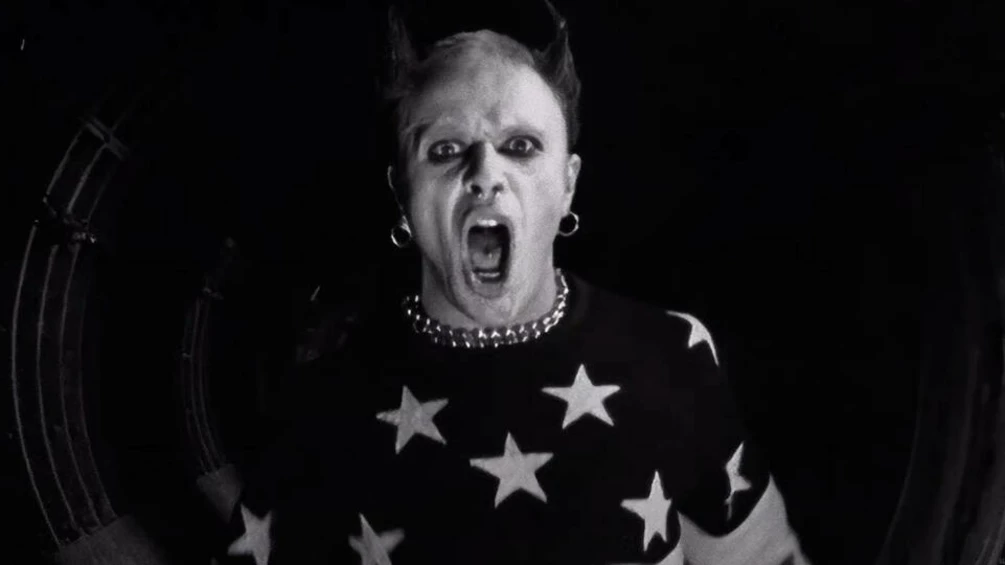
HangupsMusic.com – London, The landscape of electronic music was irrevocably altered three decades ago when a jagged, distorted bassline and a snarling vocal performance erupted from the United Kingdom’s underground scene. This week, the surviving members of The Prodigy, Liam Howlett and Maxim, took a moment to reflect on the monumental legacy of "Firestarter," a track that not only defined their career but also served as a cultural bridge between the dying embers of the illegal rave scene and the explosive mainstream dominance of electronic-punk. In a poignant commemorative post shared via social media, the duo looked back at the 1996 release, describing the anthem as a creative force that seemed to possess a will of its own, eventually finding its path to the top of the global charts despite initial resistance from the establishment.
The anniversary serves as both a celebration of a musical milestone and a bittersweet tribute to the band’s late frontman, Keith Flint. Flint, who passed away in March 2019, remains the indelible face of the "Firestarter" era. According to Howlett and Maxim, the recording session for the track was a chaotic, high-energy affair that captured lightning in a bottle. They recalled Flint’s sheer physical intensity in the studio, describing him as practically "jumping off the walls" with adrenaline before he stepped up to the microphone to record what would become his debut vocal performance. Before this moment, Flint had been primarily known as the band’s dancer—a kinetic presence on stage who translated Howlett’s rhythms into physical motion. "Firestarter" transformed him into a global icon of rebellion, a "punkin’ instigator" who resonated with a generation of disillusioned youth.
The track’s journey to the top of the charts was far from guaranteed. Upon its release on March 18, 1996, "Firestarter" faced significant pushback from traditional media outlets. Its aggressive sound, characterized by heavy industrial influences and a relentless breakbeat, was a far cry from the Britpop melodies that dominated the UK airwaves at the time. Howlett and Maxim noted that many radio stations initially refused to playlist the song, perhaps wary of its abrasive nature and the dark, confrontational imagery associated with the band. However, the momentum of the underground was too powerful to ignore. The song eventually "exploded from nowhere," as the band put it, propelled by a groundbreaking music video and a growing reputation for incendiary live performances.
Musically, "Firestarter" was a masterclass in the art of sampling and production. Liam Howlett, the band’s primary songwriter and sonic architect, constructed the track around a looped guitar riff originally written by Kim Deal of The Breeders. This sample, taken from the track "S.O.S.," provided the gritty, alternative rock foundation that allowed the song to crossover into the rock and metal spheres. By blending these elements with the heavy, distorted rhythms of the "big beat" genre, The Prodigy created a sound that was uniquely theirs—too heavy for the dancefloor purists and too electronic for the rock traditionalists, yet somehow perfect for everyone in between.
The impact of the single was immediate and international. It didn’t just climb the charts; it dominated them, reaching the number one spot in the United Kingdom, the Czech Republic, Hungary, Finland, and Norway, among others. It served as the lead single for the band’s third studio album, The Fat of the Land, which would be released the following year in 1997. That album would go on to reach number one on the Billboard 200 in the United States, a feat that was almost unheard of for a British electronic act at the time. "Firestarter" was the spark that ignited that global wildfire, proving that electronic music could possess the same visceral, dangerous energy as the greatest punk and rock records in history.
The visual component of "Firestarter" was equally influential. The music video, directed by Walter Stern and filmed in a derelict, subterranean London Underground tunnel at Aldwych, featured a manic, black-and-white performance by Keith Flint. His piercing gaze, distinctive double-mohawk, and frantic movements became the defining image of the 1990s counter-culture. The video famously drew a record number of complaints to the BBC’s Top of the Pops from parents who claimed Flint’s appearance was too frightening for children. Rather than hurting the band’s reputation, this controversy only cemented their status as the most dangerous and exciting group in the country. It was a moment of pure, unadulterated punk rock spirit delivered through the medium of electronic dance music.
To honor the 30th anniversary of this seminal work, The Prodigy has released a special commemorative vinyl pressing. This new edition is designed for both the dedicated collector and the modern DJ, featuring the original track alongside an instrumental version that highlights Howlett’s intricate production. The release also includes high-profile remixes by drum and bass legend Andy C and the industrial-techno outfit Empirion, both of whom offer contemporary perspectives on the track’s enduring DNA. The physical release is packaged with updated artwork and high-quality printed inner sleeves, ensuring that the visual legacy of the "Firestarter" era is preserved for a new generation of listeners.
The band’s reflections on the track come at a time when they are looking both backward and forward. In 2024, the electronic music community also celebrated a retrospective on the band’s second album, Music for the Jilted Generation, an LP that set the stage for the mainstream explosion of The Fat of the Land. That earlier record saw The Prodigy transitioning from the upbeat, "toytown" rave sounds of their debut, Experience, into a more militant, politically charged aesthetic. It was during this period that the band began to embrace the "rave outsider" persona, standing in defiance of the UK government’s Criminal Justice and Public Order Act of 1994, which sought to crack down on the free party scene.
Looking ahead, The Prodigy shows no signs of slowing down. Next month, the group is set to embark on a massive tour across the United Kingdom and Ireland. This tour is particularly noteworthy for its collaboration with the legendary Carl Cox, a titan of the global techno scene. Cox will be opening each night with a specialized three-deck vinyl set, a nod to the old-school techniques that birthed the UK’s electronic movement. The pairing of The Prodigy and Carl Cox represents a powerful union of two of the most influential forces in dance music history, promising a live experience that honors their shared roots while pushing toward the future.
For Liam Howlett and Maxim, the 30th anniversary of "Firestarter" is inextricably linked to the memory of Keith Flint. Their recent statement emphasized that they are "so proud of this tune and so proud of it for Keef." It is clear that while the band continues to tour and create, the spirit of their fallen brother remains the guiding light of their creative output. Flint’s transition from a fan of the band to its most recognizable member is one of the great success stories of the music industry—a testament to the power of raw talent and unapologetic individuality.
As "Firestarter" enters its fourth decade, its influence can be heard in the work of countless artists across the spectrum of industrial, trap, and techno. The song’s ability to remain relevant in a rapidly evolving digital landscape is a testament to the timelessness of its aggression and the precision of its craft. It remains a staple of festival sets and a go-to anthem for those seeking a shot of pure, unrefined energy. The Prodigy didn’t just create a hit song in 1996; they created a permanent fixture of the cultural zeitgeist.
In the end, "Firestarter" was more than a single; it was a manifesto. It signaled the moment when the rave scene stopped looking for permission to exist and started demanding to be heard on its own terms. As the band prepares to hit the road once again, the roaring feedback and iconic opening notes of "Firestarter" will undoubtedly continue to serve as a rallying cry for the "jilted generation" and every generation that has followed in its wake. The fire, it seems, is nowhere near being extinguished.
