
 By Azzam Bilal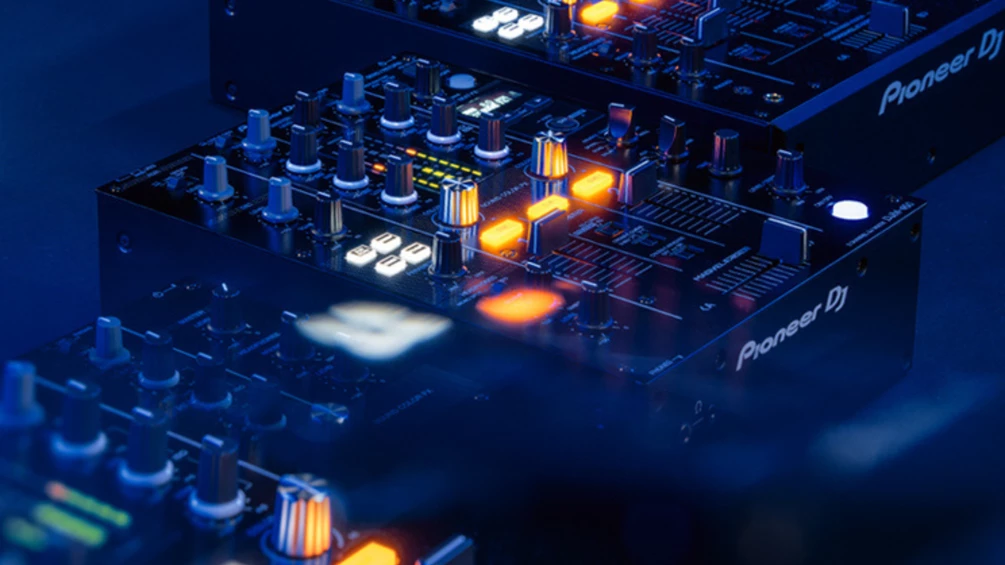
HangupsMusic.com – In a move that further solidifies the symbiotic relationship between industry-leading software and club-standard hardware, Serato has officially announced the release of its 4.0.6 software update. This latest iteration of the Serato DJ Pro suite brings long-awaited compatibility to three of Pioneer DJ’s most ubiquitous mixers: the DJM-250MK2, the DJM-450, and the DJM-750MK2. By unlocking these specific hardware units, Serato is effectively lowering the barrier to entry for professional-grade Digital Vinyl System (DVS) setups, while simultaneously providing veteran performers with more flexibility in the booth. This integration represents a pivotal moment in the ongoing evolution of the DJ landscape, where the lines between software ecosystems and hardware brands continue to blur in favor of user accessibility and performance versatility.
The inclusion of the DJM-250MK2, DJM-450, and DJM-750MK2 into the Serato-supported family is particularly significant given the market position of these devices. While the DJM-900NXS2 and the newer DJM-A9 have long been the centerpieces of high-end club installations, the 250, 450, and 750 series have served as the backbone for home studios, mobile setups, and boutique venues. The DJM-250MK2, an entry-level powerhouse, and the DJM-450, a compact two-channel mixer with flagship-level features, are now transformed into formidable DVS hubs. Meanwhile, the DJM-750MK2 offers a four-channel layout that mimics the club-standard workflow, now fully optimized for Serato users who previously might have felt tethered to Pioneer’s proprietary Rekordbox software.
For many practitioners, the primary draw of this update is the "seamless integration" promised by the Serato DJ Suite. By connecting these mixers via a single USB cable, DJs can now leverage the full power of Serato’s DVS expansion, allowing them to control digital tracks using traditional turntables and time-coded vinyl. This "professional DVS workflow" is designed to feel as tactile and responsive as analog mixing, while providing the organizational benefits of a massive digital library. The update ensures that the high-quality sound cards built into these Pioneer mixers are utilized to their maximum potential, delivering low-latency performance that is critical for scratch DJs and technical turntablists.
This hardware expansion comes on the heels of the monumental Serato DJ 4.0 launch, which arrived in late 2025. Version 4.0 was not merely a incremental patch but a comprehensive overhaul of the platform’s architecture and visual identity. One of the most talked-about features of the 4.0 ecosystem is the "Track Rating" system, which took a modern turn by allowing users to tag and categorize their music using custom emojis. While seemingly a minor aesthetic choice, this feature has revolutionized the way DJs quickly scan their libraries during high-pressure sets. An emoji can convey energy levels, genre nuances, or specific "vibe" cues much faster than text-based ratings, allowing for a more intuitive and emotional connection to the music library.
The interface redesign accompanying the 4.0 update has also been lauded for its clarity and performance optimization. As laptop screens become higher in resolution and DJ sets become more visually complex, the need for a clean, high-contrast UI is paramount. Serato 4.0 addressed this by streamlining its layout, reducing clutter, and ensuring that essential information—such as waveforms, BPM, and key—is front and center. This redesign is particularly beneficial when paired with the newly supported Pioneer mixers, as it allows the DJ to focus more on the hardware’s physical controls and less on navigating a convoluted software menu.
Perhaps the most disruptive change within the Serato 4.0 era is the full integration of Spotify Premium. After years of speculation and shifting tides in the world of streaming rights, Serato joined forces with AlphaTheta to bring Spotify’s gargantuan catalog of over 100 million tracks directly into the DJ software. For users of both Serato DJ Pro and Serato DJ Lite, this integration is a game-changer. It allows DJs to pull almost any request out of thin air, experiment with new genres without committing to a purchase, and practice sets using the highest-quality audio streams available. While professional club DJs still largely rely on local files for stability and offline access, the Spotify integration serves as an invaluable tool for mobile DJs, wedding performers, and those practicing in home environments.
The context of this update is deeply intertwined with the corporate shifts that have reshaped the industry over the last two years. In 2024 and 2025, the relationship between Serato and AlphaTheta (the parent company of Pioneer DJ) became a focal point of the tech world. The collaboration has led to a more "open-door" policy regarding hardware support. This was evidenced in 2024 when Serato expanded its compatibility to include not just Pioneer controllers, but also those from Native Instruments, a move that was previously seen as unlikely given the competitive nature of the software market. By supporting Traktor-oriented hardware, Serato signaled its intent to be the universal "brain" of the DJ booth, regardless of which company manufactured the physical buttons and faders.
The timing of these updates also coincides with a period of reflection for the industry. In 2025, Pioneer celebrated the 30th anniversary of the CDJ, a device that fundamentally changed the world of electronic music. To mark the occasion, the company released a limited-edition fanzine that chronicled the evolution of the CDJ from its early days as a digital alternative to vinyl to its current status as a sophisticated multi-player. This milestone underscored the longevity of the Pioneer brand and its dominance in the hardware space. By ensuring that Serato software remains perfectly synchronized with Pioneer’s mid-range mixers, the two companies are ensuring that the next 30 years of DJing are as innovative as the last.
For the end-user, the practical benefits of the 4.0.6 update are immediate. A DJ owning a DJM-750MK2 no longer has to choose between their preferred hardware and their preferred software. They can now enjoy the robust build quality and legendary Sound Color FX of the Pioneer mixer while utilizing the industry-leading stems, sampling, and library management features of Serato DJ Pro. The Serato DJ Suite, which includes various expansion packs like Pitch ‘n Time DJ and Serato Flip, becomes a powerful force when combined with the precision of the DJM-450’s Magvel faders.
Furthermore, the "professional DVS workflow" mentioned by Serato emphasizes a return to the roots of the craft. As the market sees an influx of all-in-one controllers, there is a counter-movement of DJs returning to modular setups—mixers paired with turntables or media players. By supporting the DJM-250MK2, Serato is supporting the "bedroom to booth" pipeline. A beginner can start with a relatively affordable Pioneer mixer and two turntables, and as they grow, their software (Serato) stays with them, providing a consistent experience as they move into larger venues that might house the more expensive DJM-900 or A9 models.
Looking ahead, the integration of streaming services like Spotify and the expansion of hardware support suggest a future where the "walled garden" approach to DJ technology is slowly crumbling. In its place is a more modular, user-centric philosophy where the software is expected to work with any hardware, and the hardware is expected to be a blank canvas for various software platforms. Serato DJ Pro 4.0.6 is a significant step in this direction, proving that even as technology advances toward AI-driven track separation and cloud-based libraries, the physical act of mixing on a high-quality Pioneer DJ mixer remains the gold standard.
As the industry moves through the latter half of the decade, the 4.0.6 update will likely be remembered as the moment when Serato solidified its grip on the mid-range hardware market. By providing a bridge for the DJM-250MK2, 450, and 750MK2, Serato has not only rewarded its loyal user base but has also invited a new generation of Pioneer hardware owners into its ecosystem. Whether it is through the expressive use of emojis in track organization or the massive accessibility of the Spotify library, Serato is ensuring that the art of DJing remains as dynamic, intuitive, and inclusive as possible.
