
 By admin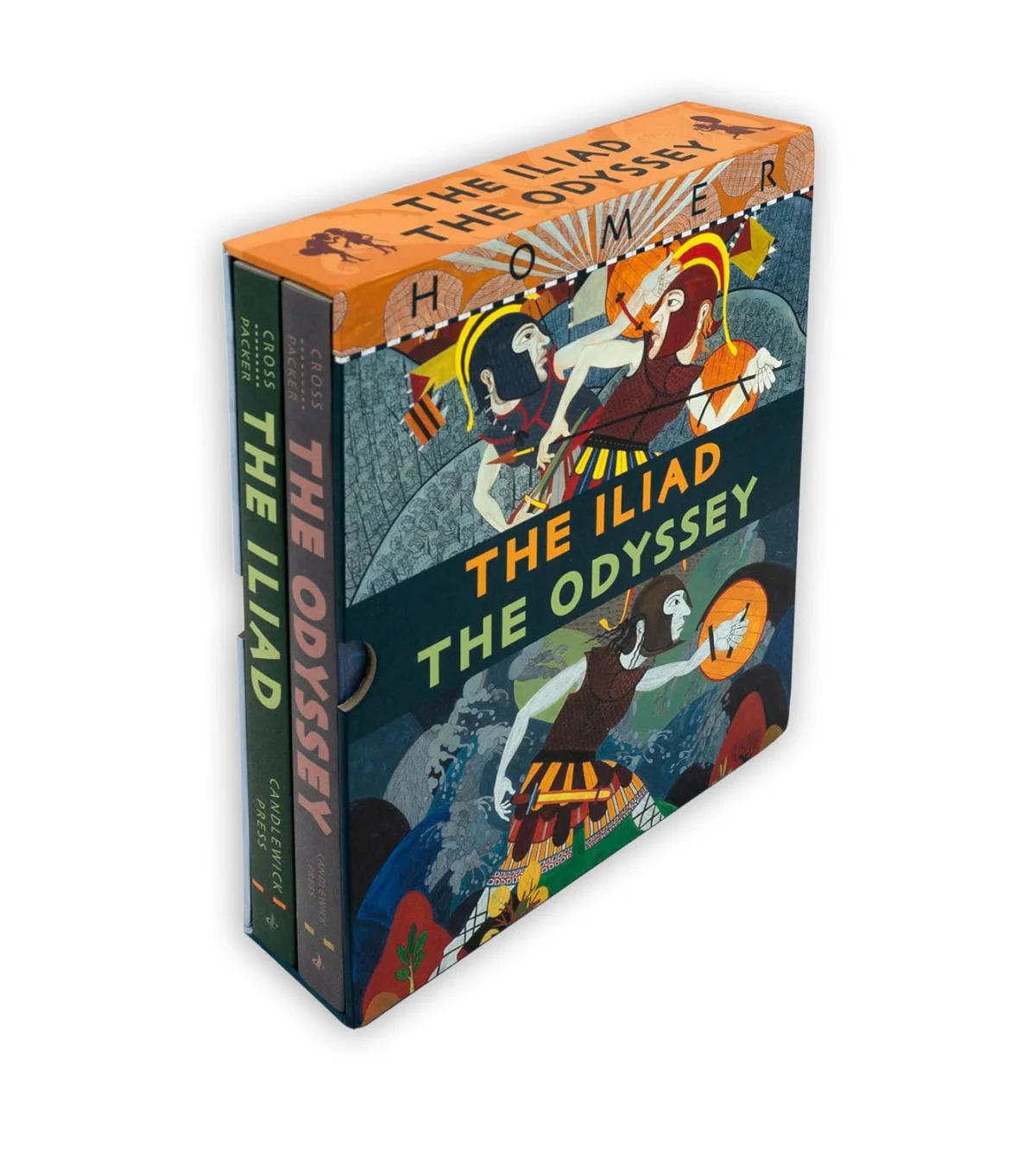
HangupsMusic.com – Christopher Nolan’s cinematic epic, The Odyssey, has not only captivated global audiences with its staggering $124 million domestic opening weekend but has also triggered an unprecedented surge of interest in its 3,000-year-old source material. The film, a monumental undertaking featuring an ensemble cast including Matt Damon, Zendaya, and others, has cemented its place as one of the year’s most significant cultural events, transcending the silver screen to send various literary interpretations of Homer’s ancient Greek myth skyrocketing up Amazon’s bestseller lists. This phenomenon underscores a fascinating interplay between blockbuster cinema and classic literature, demonstrating how a contemporary adaptation can breathe new life into foundational narratives and prompt a widespread re-engagement with historical texts.

The enduring allure of Homer’s The Odyssey lies in its timeless narrative of perseverance, cunning, and the arduous journey home. Following the Greek hero Odysseus’s decade-long struggle to return to Ithaca after the Trojan War, the epic poem weaves together tales of mythical creatures, divine intervention, perilous voyages, and the steadfast loyalty of his wife, Penelope. For millennia, its themes of identity, leadership, and the human condition have resonated across cultures, making it a cornerstone of Western literature. Nolan’s ambitious vision, known for his intricate storytelling and immersive cinematic experiences, seems to have perfectly tapped into this enduring fascination, creating a compelling entry point for both long-time classicists and a new generation of myth enthusiasts. The film’s critical and commercial success illustrates that even in an age of original content, there remains a profound appetite for stories deeply rooted in humanity’s collective past, especially when presented with modern flair and narrative sophistication.
Among the literary offerings now experiencing a dramatic revival, several translations and adaptations stand out, each providing a unique lens through which to explore Odysseus’s perilous journey. Emily Wilson’s 2017 translation of The Odyssey has emerged as a particularly prominent title, currently holding a coveted spot on Amazon’s top-selling charts. Heralded as the first English translation by a woman, Wilson’s rendition has sparked considerable discussion within classical circles. Her contemporary and direct prose style, which aims for clarity and accessibility, has been widely speculated as a significant influence on Nolan’s cinematic approach. While some traditional classicists contend that her modern language might occasionally diverge from Homer’s original poetic intricacies, its lucid and engaging narrative structure has undeniably made it an ideal gateway for new readers intimidated by more archaic versions of the poem. Structured in iambic pentameter and meticulously matching the Greek line count, this edition also features invaluable supplementary materials such as detailed maps, explanatory notes, concise summaries, a pronunciation guide, and an insightful introduction, all designed to orient newcomers to the complexities of the epic.

Another venerable translation experiencing renewed attention is Robert Fagles’ acclaimed 1996 edition. Often considered the "gold standard" by many scholars and general readers alike, Fagles masterfully strikes a balance between scholarly fidelity and poetic grace. His translation is celebrated for its bold imagery, vibrant modern phrasing, and a free-flowing verse that captures the oral tradition of Homeric storytelling. Fagles’ iconic opening line, "Sing to me of the man, Muse, the man of twists and turns," has become instantly recognizable and deeply ingrained in the contemporary understanding of The Odyssey. This Penguin Classics edition is further enriched by the profound insights and historical commentary provided by the renowned classicist Bernard Knox, offering readers a robust historical and literary context that complements Fagles’ eloquent rendering. For those seeking a version that marries readability with a majestic, evocative poetic grandeur, Fagles’ translation remains an unparalleled choice.
Beyond traditional translations, the film has also fueled demand for more visually oriented interpretations, making the epic accessible to an even broader audience. Gareth Hinds’ graphic novel adaptation, The Odyssey: A Graphic Novel, has surged to become a number one bestseller on Amazon. This meticulously illustrated comic book version simplifies the intricate mythology without sacrificing the epic’s core essence, making it particularly suitable for younger readers (typically seventh through ninth grade) or anyone who finds traditional poetry daunting. Hinds, celebrated for his adaptations of other literary giants like The Iliad and King Lear, employs stunning visuals to bring Odysseus’s adventures to life, providing a dynamic and digestible entry point into the ancient narrative. The deluxe edition, released in May 2026, boasts an upgraded cover adorned with gold foil and painted edges, further enhancing its appeal as a collector’s item and a valuable educational tool.

For cinephiles eager to delve deeper into Christopher Nolan’s creative process, The Odyssey: The Official Screenplay is set to be a highly anticipated release. Scheduled for an August 4 launch, this book has already achieved bestseller status on Amazon, a testament to the film’s fervent fanbase and Nolan’s singular directorial vision. The screenplay offers a rare opportunity to examine how Homer’s sprawling epic was meticulously reimagined and condensed for the big screen, providing insight into the structural choices, dialogue, and character development that shaped the final film. Featuring the full script and a glimpse into the collaborative efforts of its star-studded cast—including Matt Damon, Tom Holland, Anne Hathaway, Robert Pattinson, Lupita Nyong’o, Zendaya, and Charlize Theron—it’s an indispensable resource for film students and devoted fans. Complementing the screenplay, James Mottram’s The World of The Odyssey: A Visual Journey, slated for a September 22 release, promises an immersive visual companion. Packed with exclusive behind-the-scenes photography, in-depth character profiles, explorations of key filming locations, cast quotes, and production insights, this illustrated guide offers a comprehensive look at the blockbuster’s making.
The complexity of Homer’s The Odyssey, with its vast pantheon of gods, an array of monstrous adversaries, and a large cast of mortal characters, often leaves newcomers seeking clarity. Doug Metzger’s The Odyssey: An Illustrated Guide: A Character-by-Character Guide to the Story of Odysseus addresses this very need, rapidly climbing the charts as a number one new release on Amazon. This invaluable guide acts as both a "who’s who" and "what’s what" for the epic, meticulously organized in the chronological order of character appearance. It systematically introduces readers to the heroes, deities, mythical beasts, and supporting figures, all while artfully retelling the central narrative. Enhanced by 40 full-color illustrations, Metzger’s guide bridges approachable explanations with deeper historical context, making it equally beneficial for complete beginners navigating the myth for the first time and seasoned mythology enthusiasts seeking a convenient and beautifully presented reference.

Furthermore, Christopher Nolan’s adaptation, despite its nearly three-hour runtime, inevitably necessitated selective storytelling, leading to the omission of certain storylines. Notably, several narratives involving female characters, such as Odysseus’s pivotal encounters with Queen Arete and Princess Nausicaa in Phaeacia, where he recounts his epic adventures, were significantly reduced or cut. This editorial decision highlights a broader discourse within classical studies regarding the portrayal and importance of women in ancient epics. As classicist Mary Beard cogently observed on The Guardian’s Stateside podcast, "The collateral damage of removing the Phaeacians from the whole movie is that you lose, particularly in the case of Nausicaa, one of the most memorable, feisty female characters that there is." In response to such considerations, Eirene S. Allen’s 2025 publication, The Epic Women of Homer: Exploring Women’s Roles in the Iliad and Odyssey, offers a timely re-examination. Allen passionately argues that the goddesses and heroines of both The Iliad and The Odyssey are not mere peripheral figures but are, in fact, central to the epics’ profound explorations of community, belonging, warfare, and peace. Her work challenges conventional interpretations, positioning these female characters as crucial drivers of the narrative and thematic depth, rather than simply supporting players in the sagas of male heroes.
For those desiring the complete mythical saga, the beautifully presented The Iliad & The Odyssey Boxed Set by Gillian Cross and Neil Packer offers an encompassing experience. The Iliad, set before the events of The Odyssey, chronicles the final, brutal weeks of the Trojan War, focusing on the wrath of Achilles and the epic clash between the Greeks and Trojans. Its title, derived from "Ilios," the ancient Greek name for Troy, underscores its foundational role in the wider mythology. Cross’s expertly retold narratives, complemented by Packer’s striking artwork inspired by ancient Greek pottery, simplify the original texts, making them accessible to contemporary readers while retaining their inherent grandeur. This boxed set provides a holistic journey, allowing readers to trace Odysseus’s transformation from a war hero forged in the crucible of Troy to the wily survivor embarking on his arduous voyage home.

Christopher Nolan’s The Odyssey has proven to be more than just a box office triumph; it is a cultural catalyst that has invigorated public interest in one of humanity’s oldest and most profound stories. The subsequent boom in book sales, ranging from scholarly translations and innovative graphic novels to detailed character guides and feminist reinterpretations, speaks volumes about the enduring power of ancient myths and the profound connection between cinematic spectacle and literary exploration. This phenomenon illustrates that while the medium evolves, the human desire for epic tales of adventure, wisdom, and the quest for home remains as strong as ever.
