
 By Azzam Bilal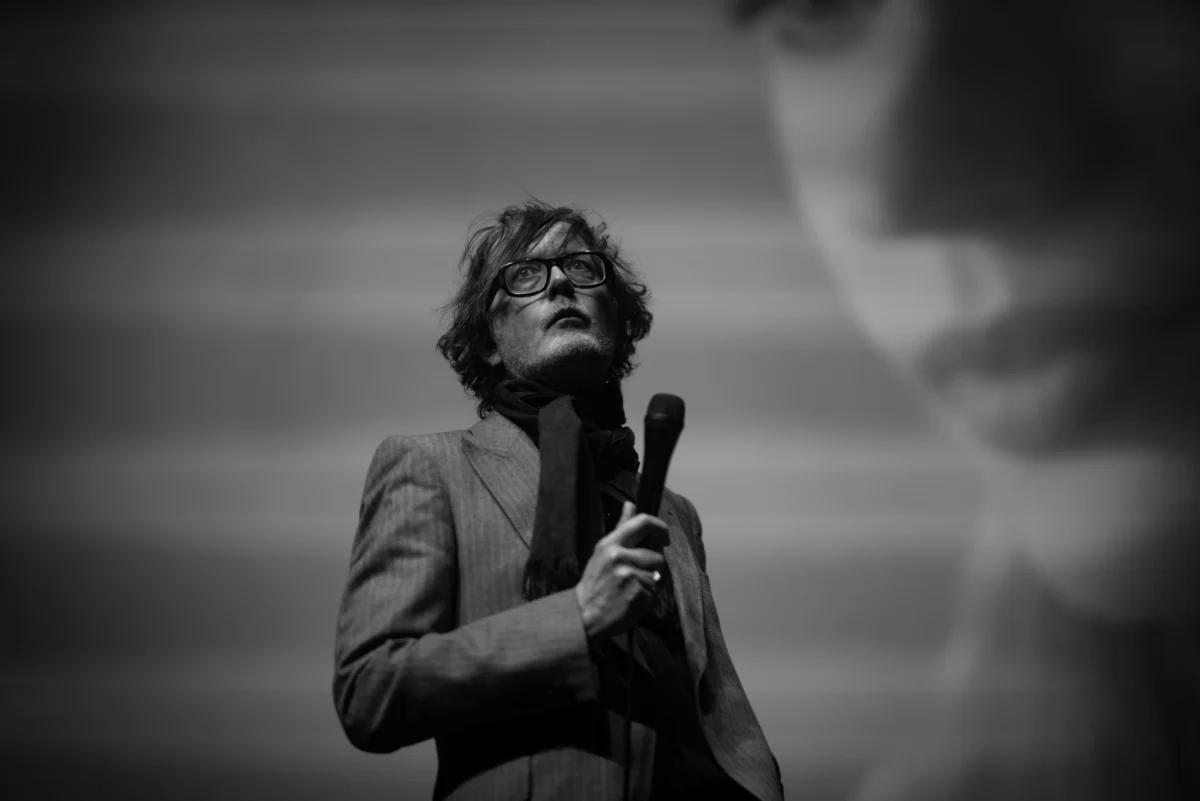
HangupsMusic.com – London, the history of British alternative music is often told through the lens of sudden explosions—the punk upheaval of 1977 or the Madchester rave scene of the late eighties. Yet, the story of Pulp, the Sheffield-born outfit led by the inimitable Jarvis Cocker, is one of a long, slow burn. It is a narrative of tenacity, of a band that spent fifteen years in the wilderness of obscurity before becoming the sophisticated, satirical heart of the Britpop movement. This autumn, that storied journey will be brought to life in a new feature-length production titled Pulp: What Do You Do for an Encore?, a film that promises to be as much a piece of high-concept art as it is a traditional concert documentary.
Set to debut on the global streaming platform Mubi, the 90-minute feature is directed by Garth Jennings, a filmmaker whose creative DNA has been intertwined with the band for decades. Jennings, known to mainstream audiences for directing the Sing franchise and the cult classic Son of Rambow, first cut his teeth in the world of music videos, where he helped craft the visual identity of Pulp’s later years. By returning to document the band’s recent reunion, Jennings offers a full-circle moment that captures the group not as a nostalgia act, but as a vital, breathing entity that still commands the stage with the same neurotic energy it possessed in 1995.
The film is narrated by Cocker himself, whose dry, Sheffield-inflected wit provides the connective tissue between the past and the present. It is a career-spanning retrospective that refuses to follow the standard linear tropes of the rock-doc genre. Instead, What Do You Do for an Encore? utilizes the band’s most recent arena tour—sparked by the release of their reunion project, More—as a framing device. The high-definition footage of these sprawling, sold-out performances is juxtaposed with grainy, intimate archival material, some of which has never been seen by the general public. These historical snapshots trace the band’s evolution from "tenacious Sheffield also-rans" to the chart-topping icons who famously headlined Glastonbury and defined a generation’s frustrations with the British class system.
For many fans, the highlight of the film will be the immersive concert segments. Pulp has always been a band of theatricality, and Jarvis Cocker, even in his sixties, remains one of the most compelling frontmen in rock history. The trailer for the film hints at the grandiosity of the "This is What We Do for an Encore" tour, showcasing the band’s ability to turn an arena into a dark, disco-inflected cabaret. From the driving basslines of "Disco 2000" to the sprawling, cinematic tension of "This Is Hardcore," the film captures the sonic textures that made Pulp the intellectual outliers of the Britpop era. While their contemporaries were often focused on lad culture and traditional rock tropes, Pulp was exploring the voyeurism of the working class and the seedy underbelly of suburban life.

The involvement of Garth Jennings is a crucial element of the film’s pedigree. Jennings’ history with the band dates back to the mid-nineties, notably directing the music videos for "Help the Aged" and "A Little Soul." His directorial style has always leaned toward the whimsical and the visually inventive, a perfect match for Cocker’s lyrical sensibilities. In What Do You Do for an Encore?, Jennings reportedly avoids the "talking head" exhaustion that plagues many music documentaries. Instead, he leans into the atmosphere of the cities they visit and the faces of the fans who have waited over a decade to see the group reunite. The film aims to capture the "encore" not just as a part of a setlist, but as a metaphor for the band’s entire second act.
The release strategy for the film reflects its status as a prestige cultural event. While Mubi will eventually serve as the exclusive streaming home for the feature, the distributors are honoring the band’s theatrical roots with a series of limited preview screenings. In an era where music content is often relegated to small screens, the opportunity to see Pulp’s arena spectacle on a cinema screen is a significant draw for the "Common People" who have followed them since the beginning.
According to the release schedule, audiences in the United Kingdom and Ireland will be the first to experience the film on the big screen, with one-night-only previews set for September 18. This will be followed by a North American rollout, with Canadian fans getting their turn on September 23, and the United States hosting screenings on September 24. These events are expected to be high-demand affairs, serving as a communal celebration for a fanbase that spans multiple generations.
The timing of the film is particularly poignant. The reunion tour and the subsequent documentary come at a time when the cultural legacy of the nineties is being reassessed. Unlike many of their peers, Pulp’s music has aged with a peculiar grace. Their lyrics, which often dealt with aging, regret, and the complexities of social mobility, feel perhaps even more relevant today than they did during the height of "Cool Britannia." Cocker’s narration in the film reportedly touches upon these themes, offering a reflective look at what it means to be a "pop star" when the initial rush of fame has long since subsided.
Beyond the music, the film serves as a love letter to Sheffield, the industrial city that forged the band’s identity. The archival footage delves into the early eighties, a time when Cocker was often the only person who believed Pulp would ever amount to anything. It documents the revolving door of band members, the failed singles, and the years of playing to empty rooms. This "bottom-up" perspective is what gives the film its emotional weight; it isn’t just a victory lap, but a testament to the grit required to survive the music industry for forty years.

As the trailer suggests, What Do You Do for an Encore? is not interested in providing a simple "behind-the-scenes" look at a tour. It is an exploration of the relationship between a performer and an audience. It asks the question posed by its after you have reached the pinnacle of success and walked away, what brings you back? For Pulp, the answer seems to be a mixture of unfinished business and a genuine, enduring love for the craft of the song.
Mubi’s acquisition of the film further cements the platform’s reputation as a curator of high-quality music cinema. Having previously hosted projects by the likes of Radiohead’s Jonny Greenwood and various avant-garde filmmakers, Mubi provides a fitting digital home for a band that has always valued aesthetic over commercial conformity. While the specific streaming date following the September previews remains under wraps, the anticipation is already reaching a fever pitch among the indie-rock faithful.
In the decades since their peak, Pulp has moved from being a band to being a British institution. What Do You Do for an Encore? appears ready to document that transition with the style, humor, and slightly awkward charm that only Jarvis Cocker could provide. Whether you are a lifelong devotee who remembers the first time "Common People" played on the radio, or a newcomer discovering the band through the lens of modern alternative music, this film promises to be an essential document of one of the UK’s most eccentric and essential musical exports. As the lights go down in theaters this September, audiences will finally get their answer to the question of what comes after the final curtain call: a legacy that refuses to fade away.
