
 By Azzam Bilal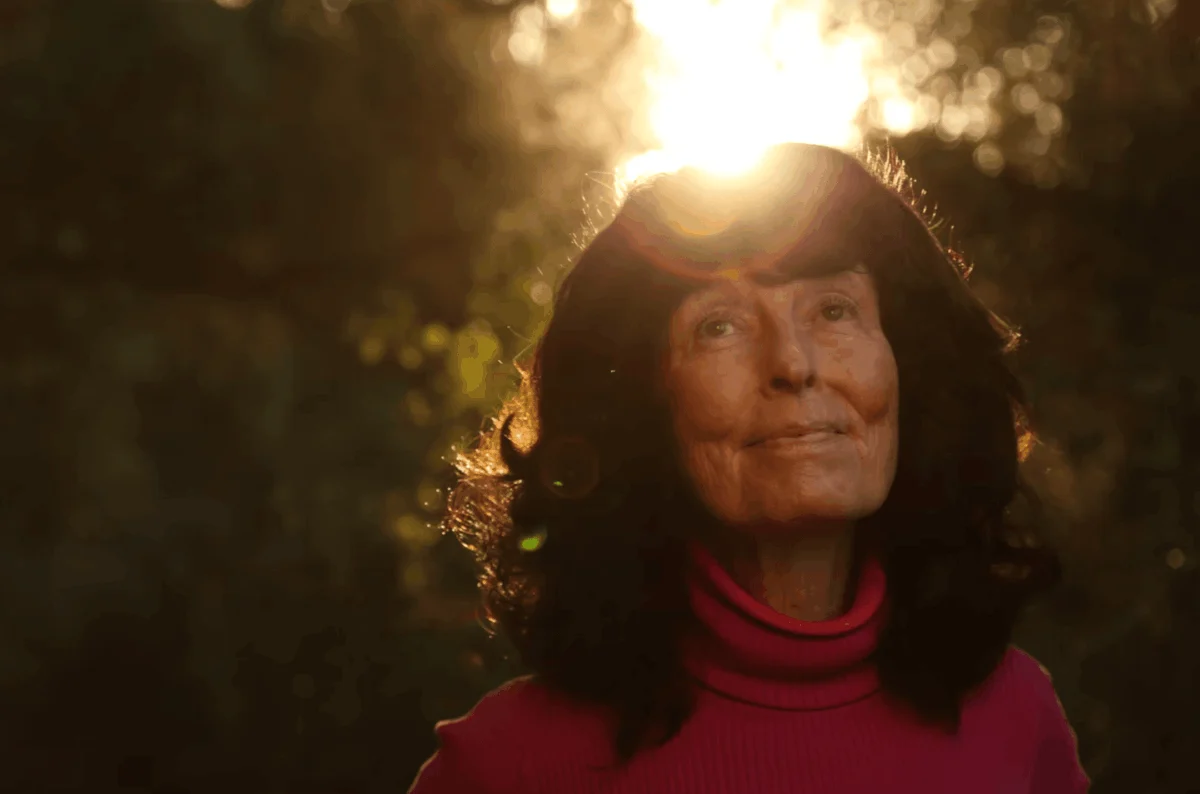
HangupsMusic.com – Los Angeles, The global independent music community has been cast into a state of profound concern following reports that Linda Perhacs, the ethereal folk singer-songwriter whose 1970 masterpiece Parallelograms became a cornerstone of psychedelic folk, has been missing for several months. A collective of her closest confidants, longtime creative collaborators, and former industry representatives have broken their silence to alert the public and solicit any information regarding the whereabouts of the 82-year-old artist. The group, which includes her former manager Laurel Stearns, acclaimed experimental musician Julia Holter, and DubLab co-founder Mark “Frosty” McNeill, issued a joint statement expressing their deep alarm after failing to establish contact with Perhacs for over two-thirds of a year.
The timeline of her disappearance traces back eight months to an assisted living facility located in the San Fernando Valley area of Southern California. Perhacs had reportedly resided at this facility for approximately eight years, a period during which she remained active in the local arts scene and maintained regular contact with her circle of friends. According to statements provided by those leading the search, Perhacs was eventually discharged from the facility under the direct supervision of her legal caregivers. Since that transition, however, a wall of silence has descended. Repeated attempts to reach the musician or her legal guardians have gone unanswered, leaving her friends in a state of agonizing uncertainty regarding her health, safety, and current living conditions.
Laurel Stearns, who managed Perhacs’ career during her mid-2010s resurgence and remains a dedicated friend, has taken a leading role in the effort to locate her. Stearns confirmed that she officially filed a missing persons report with the Los Angeles Police Department on June 6. While the authorities have conducted an initial investigation, the legal complexities surrounding adult guardianship and privacy laws have created a significant hurdle for those outside Perhacs’ immediate legal circle. Under current regulations, police are often restricted from sharing specific status updates or location data with individuals who do not possess power of attorney or a direct familial link. Because Perhacs’ friends and former colleagues do not hold these legal designations, they have been left in the dark by official channels, prompting this public appeal for information.
The disappearance of Linda Perhacs is not merely a personal tragedy for her friends; it is a distressing development for a music world that views her as a miraculous survivor of the industry’s often-fickle nature. Perhacs’ story is one of the most remarkable "second acts" in the history of American music. In 1970, while working as a dental hygienist in Beverly Hills, she recorded Parallelograms with producer Leonard Rosenman. The album was a breathtaking fusion of delicate folk melodies, avant-garde vocal layering, and lyrics inspired by the natural beauty of the Pacific Northwest and the crystalline structures of light. However, the original pressing was plagued by poor sound quality and a lack of promotion, leading Perhacs to quietly return to her career in dental hygiene, largely unaware that her music would eventually reach a global audience.
For over thirty years, Parallelograms existed as a phantom in the record bins of the world—a "holy grail" for collectors of "acid folk" and "freak folk." It wasn’t until the early 2000s, with the rise of the internet and a renewed interest in psychedelic obscurities, that Perhacs was "rediscovered." Her music became a foundational influence for a new generation of artists who sought to blend the organic with the otherworldly. Figures such as Sufjan Stevens, Joanna Newsom, and Devendra Banhart cited her as a primary inspiration during the mid-2000s folk revival. Her influence even crossed genre lines; the ethereal textures of her work were sampled by electronic titans Daft Punk for their film Electroma and by hip-hop legend Nas, cementing her status as a cross-generational icon.

This resurgence eventually led to a triumphant return to the recording studio. Under the guidance of Stearns and a new generation of collaborators like Julia Holter and Chris Price, Perhacs released her sophomore album, The Soul of All Natural Things, in 2014—a staggering 44 years after her debut. The album proved that her visionary approach to sound had not dimmed with age. She followed this in 2017 with I’m a Harmony, a sprawling, collaborative work that further explored her fascination with the intersections of nature, spirituality, and complex vocal arrangements. These later years saw Perhacs embracing her role as a matriarch of the experimental folk scene, frequently appearing at festivals and engaging with a fanbase that spanned from elderly hippies to teenage indie-rock enthusiasts.
The current situation has left her community grappling with the limitations of the legal system when it comes to the welfare of the elderly. Stearns emphasized in her communication with the press that the primary objective is not to interfere with Perhacs’ legal arrangements, but simply to verify that she is being treated with the care and dignity she deserves. “The most important thing is to make sure that she’s safe and she’s comfortable,” Stearns told Pitchfork. The fear among her friends is that the lack of communication indicates a potential breakdown in her support system or a decline in health that is being shielded from those who care for her.
The San Fernando Valley facility where Perhacs spent nearly a decade was once a place where friends could visit and share in her continued passion for music and philosophy. Her discharge into private care, followed by the total severance of her social ties, has raised red flags for those who knew her as a deeply social and communicative individual. In the absence of cooperation from her legal guardians, the search group is relying on the power of the public and the far-reaching network of the music industry to provide a lead.
Linda Perhacs has always been an artist preoccupied with the concept of light—both the physical light of the sun and the metaphorical light of human consciousness. Her songs, such as "Chimacum Rain" and "Moons and Cattails," are celebrated for their ability to transport listeners to a place of serenity and introspection. Now, her admirers find themselves in a period of darkness, hoping for a glimmer of news that confirms the safety of a woman who gave so much beauty to the world while asking for very little in return.
The Los Angeles Police Department has been contacted for further updates on the missing persons filing, though they have yet to release a public statement regarding the status of the case. In the interim, the coalition of friends led by Stearns is urging anyone who may have seen Perhacs or who has knowledge of her current residency to come forward. Information can be directed to Laurel Stearns at her professional email address at Primary Wave Music.
As the search continues, the music community remains hopeful. The story of Linda Perhacs has always been defined by a sense of mystery and eventual revelation; her friends and fans are now praying that this latest chapter ends with a similar return to the light. For a woman who spent decades in obscurity before being found by the world, the thought of her being "lost" again is a weight that many in the industry find unbearable. The search remains active, and the call for clarity grows louder with each passing day that her voice remains unheard.
